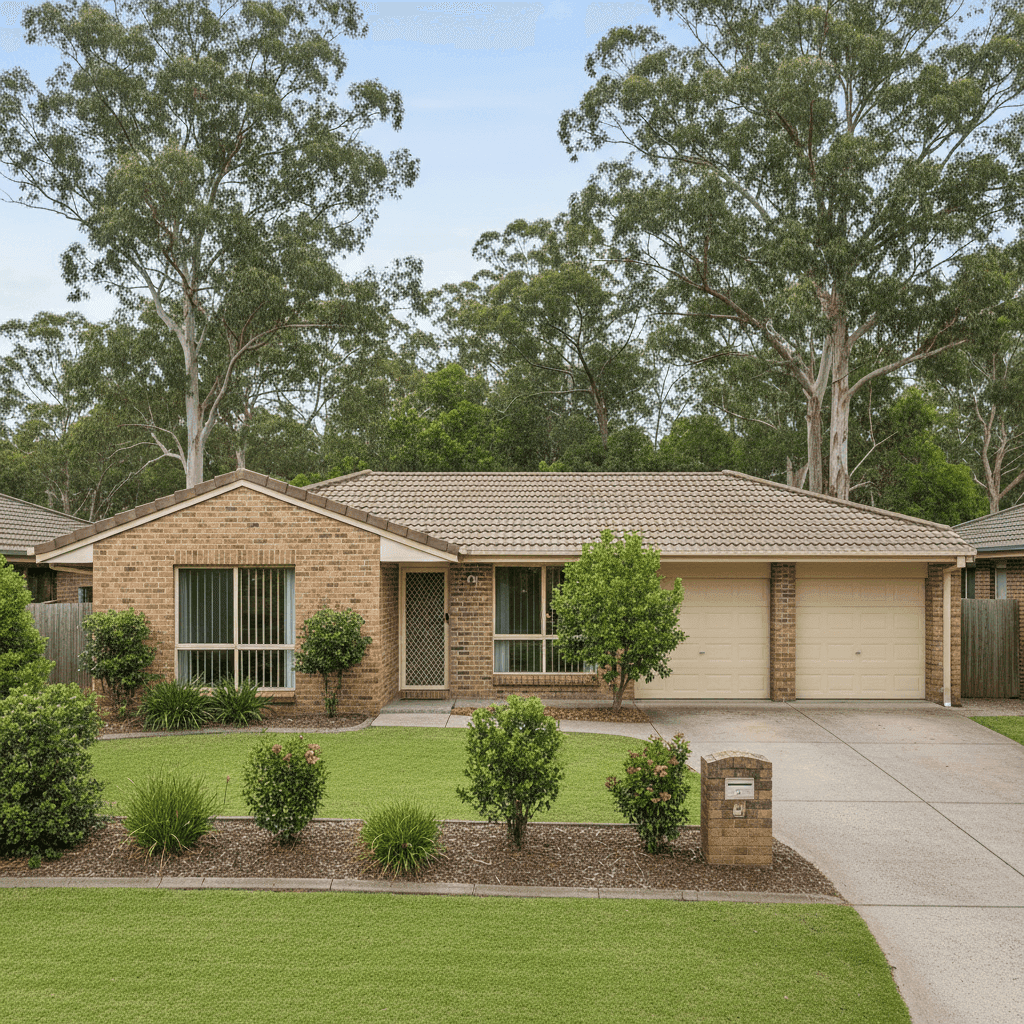
If you own a four-bedroom free standing home in Runcorn, QLD 4113, you've probably wondered whether you're paying a fair price for home insurance — or whether there's a better deal waiting to be found. This article breaks down a real home and contents insurance quote for a brick veneer property in Runcorn, compares it against suburb, state, and national benchmarks, and offers practical tips to help you get the most value from your cover.
---
Is This Quote Fair?
The quote in question comes to $1,841 per year (or $185 per month) for combined home and contents insurance, with a building sum insured of $700,000 and contents covered at $50,000. The building excess is set at $3,000, while the contents excess sits at $1,000.
Our price rating for this quote is FAIR — Around Average. That assessment holds up well when you dig into the numbers.
The suburb median premium in Runcorn is $2,151 per year, meaning this quote comes in roughly $310 below the midpoint of what others in the area are paying. It sits comfortably between the 25th percentile ($1,386/yr) and the 75th percentile ($3,158/yr), placing it in solid middle-ground territory — not a bargain-basement price, but certainly not an outlier on the expensive end either.
For a 214 sqm home built in 1980 with standard fittings, this is a reasonable outcome. Older homes can attract higher premiums due to ageing infrastructure and materials, so landing below the suburb median is a positive sign.
---
How Runcorn Compares
To put this quote in broader context, it helps to look at Runcorn's insurance statistics, alongside Queensland-wide data and national figures.
| Benchmark | Average Premium | Median Premium |
|---|---|---|
| Runcorn (suburb) | $42,238/yr* | $2,151/yr |
| Brisbane LGA | $16,277/yr* | — |
| Queensland | $9,129/yr* | $3,903/yr |
| National | $5,347/yr* | $2,764/yr |
\Averages are skewed upward by high-value outlier quotes in the dataset.*
The median is generally the more reliable figure for comparison, as it isn't distorted by extreme values. Against the national median of $2,764/yr, this quote is about $923 cheaper — a meaningful saving. Compared to the Queensland median of $3,903/yr, the gap is even wider, which reflects the relatively lower flood and cyclone risk associated with Runcorn compared to other parts of the state.
It's worth noting that Runcorn falls within the Brisbane LGA, where average premiums are elevated due to the diversity of properties and risk profiles across the broader council area. The suburb-level data — based on 33 quotes — paints a more accurate picture for this specific location.
---
Property Features That Affect Your Premium
Several characteristics of this property influence what insurers charge. Here's how they play out:
Brick Veneer Walls Brick veneer is generally viewed favourably by insurers. It offers solid fire resistance and structural durability, which can help moderate premiums compared to weatherboard or lightweight cladding.
Tiled Roof Terracotta or concrete tiles are a common roofing choice in Queensland and are considered a lower-risk material. They hold up well in hail and wind events, though they can crack under significant impact. Insurers typically price tiled roofs more competitively than corrugated iron in storm-prone regions.
Slab Foundation A concrete slab foundation is straightforward for insurers to assess. It reduces the risk of underfloor moisture damage and pest intrusion, which can be a concern with older homes on stumps or piers.
Timber and Laminate Flooring Timber and laminate floors can be costly to repair or replace after water damage events. This is worth keeping in mind when reviewing your contents and building sum insured — make sure your coverage reflects the actual replacement cost of your flooring.
Built in 1980 Homes from this era may have older electrical wiring, plumbing, and roofing systems that haven't been updated. Insurers factor in the age of a property when calculating risk. If you've made recent upgrades — such as rewiring or re-roofing — it's worth disclosing these to your insurer, as they may help reduce your premium.
No Pool, Solar Panels, or Ducted Climate Control The absence of these features keeps things simple. Pools and solar panels can add complexity (and cost) to a policy, so their absence is a minor premium-friendly factor.
Standard Fittings Standard-quality fittings mean the cost to rebuild or repair is more predictable and generally lower than a home with high-end finishes. This is reflected in a more modest premium.
---
Tips for Homeowners in Runcorn
1. Review Your Building Sum Insured Annually Construction costs have risen significantly in recent years. A $700,000 building sum insured may be appropriate now, but it's worth recalculating your home's replacement value each year — not its market value, but what it would actually cost to rebuild from scratch, including demolition, labour, and materials.
2. Consider Adjusting Your Excess This policy carries a $3,000 building excess. Opting for a higher excess is one of the most effective ways to reduce your annual premium, but make sure it's an amount you could genuinely afford to pay in the event of a claim. If $3,000 feels like a stretch, a lower excess with a slightly higher premium might offer better peace of mind.
3. Bundle Building and Contents — But Check the Details Combined home and contents policies like this one often come with a discount compared to purchasing each separately. However, it's still worth comparing bundled quotes against standalone options to ensure you're not paying for contents cover you don't need, or underinsuring on the building side.
4. Maintain Your Property to Avoid Claim Complications Insurers can reduce or deny claims if a loss is linked to poor maintenance. In a 1980s home, it's especially important to keep an eye on roof tiles, gutters, and drainage — particularly heading into Queensland's storm season. Regular maintenance not only protects your home but also supports your ability to make a successful claim.
---
Compare Quotes and Find Better Value
Whether this quote is right for you depends on your individual circumstances, risk tolerance, and what level of cover you need. The best way to know if you're getting a competitive deal is to compare — and that's exactly what CoverClub makes easy.
Get a home insurance quote at CoverClub and see how your property stacks up against the market in just a few minutes. With transparent data and suburb-level insights, you'll have everything you need to make a confident decision.