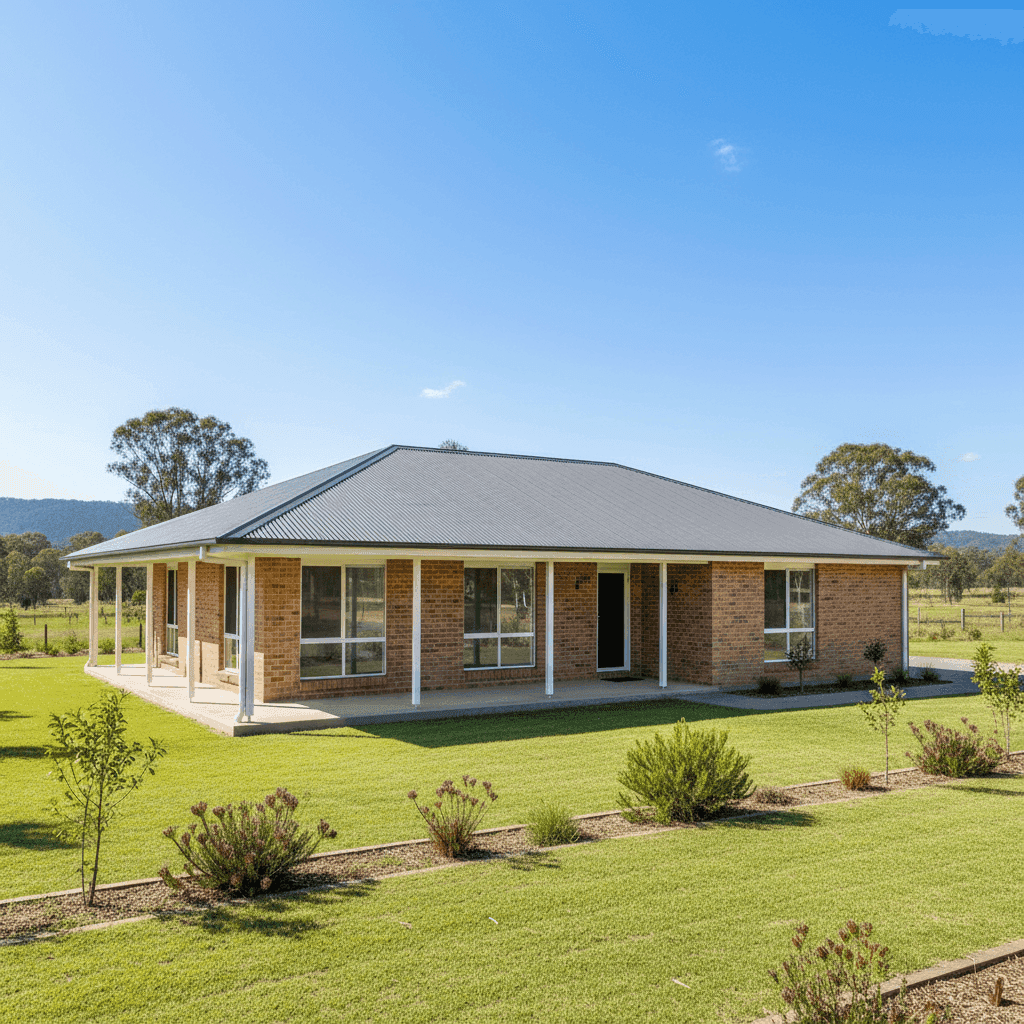
If you own a free standing home in Rural View, QLD 4740, you already know that insurance in this part of Queensland can be a serious line item in the household budget. Located in the Mackay region, Rural View sits within a designated cyclone risk zone — a factor that weighs heavily on what insurers charge. That's why a building-only quote of $1,876 per year (or $180/month) for a 3-bedroom brick veneer home deserves a closer look. Is it a genuine bargain, or is something being left on the table?
Let's break it all down.
---
Is This Quote Fair?
In short: yes — this is a cheap quote by almost any measure.
CoverClub's pricing engine rates this premium as below average for the area, which is a meaningful distinction in a suburb where insurance costs run high. Based on 21 quotes collected for Rural View (QLD 4740), the suburb average sits at $3,910 per year and the median at $3,536 per year. This quote comes in at roughly 52% below the suburb median — a substantial saving.
Even compared to the cheapest quarter of the market, this quote holds up well. The 25th percentile for Rural View is $2,264 per year, meaning this premium undercuts even the lower end of the local market by nearly $400 annually.
The building excess is set at $2,000, which is on the higher side and likely contributes to the lower premium. A higher excess means the insurer takes on less risk for minor claims, and they price accordingly. It's a reasonable trade-off if you have the financial buffer to cover that excess in an emergency.
---
How Rural View Compares
The numbers tell a striking story about just how expensive home insurance has become in this pocket of Queensland.
| Benchmark | Premium |
|---|---|
| This quote | $1,876/yr |
| Rural View suburb average | $3,910/yr |
| Rural View suburb median | $3,536/yr |
| QLD state average | $9,129/yr |
| QLD state median | $3,903/yr |
| Mackay LGA average | $8,458/yr |
| National average | $5,347/yr |
| National median | $2,764/yr |
The Queensland state average of $9,129 per year is eye-watering — largely driven by high-risk coastal and cyclone-prone postcodes across the state. The Mackay LGA average of $8,458 per year reflects just how exposed this region is in insurers' risk models.
Compared to the national average of $5,347 per year, this quote is less than 35 cents in the dollar. Even against the national median of $2,764, this premium looks competitive.
It's worth noting that the sample size for Rural View is relatively small (21 quotes), so individual results can vary considerably depending on the insurer, the specific property characteristics, and the level of cover selected. Still, the directional story is clear: this is a well-priced policy for the area.
---
Property Features That Affect Your Premium
Several characteristics of this property work in its favour — and a few add risk that insurers price carefully.
Brick veneer construction is generally viewed favourably by insurers. It offers solid structural integrity and good resistance to wind and fire compared to lightweight cladding materials. Combined with a Colorbond steel roof, which is durable, lightweight, and performs well in high-wind events, this home has a construction profile that many insurers consider lower risk.
The slab foundation is straightforward to assess and doesn't carry the same complexity as stumped or suspended floors. The home is elevated by less than 1 metre, which provides modest flood resilience without the complications of a fully raised structure.
Tile flooring is another minor positive — it's durable, easy to replace in sections, and doesn't suffer water damage the way carpet or timber does.
The ducted climate control system is worth noting. These systems can be expensive to repair or replace, and their inclusion in a building-only policy (as a fixed installation) is something to confirm explicitly with your insurer. Make sure your sum insured of $250,000 adequately accounts for this and all other fixed improvements.
The most significant risk factor for this property — and for every home in this postcode — is cyclone exposure. Rural View sits within a designated cyclone risk zone, and insurers factor this in heavily. The fact that this quote is still well below the suburb average suggests either a competitive insurer, a favourable risk assessment, or both.
At 130 sqm with standard fittings and a 1985 construction year, the home is modest in scope. Older homes can sometimes attract higher premiums due to ageing infrastructure, but the brick veneer and Colorbond roof suggest the property has been maintained or upgraded over time.
---
Tips for Homeowners in Rural View
1. Review your sum insured annually. Building costs in Queensland have risen sharply in recent years. A sum insured of $250,000 for a 130 sqm home may be adequate today, but it's worth recalculating your rebuild cost each year — especially as labour and materials costs continue to climb. Underinsurance is one of the most common and costly mistakes homeowners make.
2. Understand your cyclone excess. Many insurers in cyclone-prone areas apply a separate, higher excess specifically for cyclone-related claims — often a percentage of the sum insured rather than a flat dollar amount. Check your Product Disclosure Statement (PDS) carefully so there are no surprises after a weather event.
3. Lock in this rate and set a reminder to compare at renewal. A below-average premium is worth holding onto, but insurers can adjust rates significantly at renewal. Set a calendar reminder 30 days before your policy expires to run a fresh comparison. What's cheap today may not be cheap next year.
4. Consider whether building-only cover is sufficient. If you own the contents of the home, a building-only policy leaves your furniture, appliances, and personal belongings unprotected. Combining building and contents cover — or at least pricing out a combined policy — is a worthwhile exercise, particularly given the storm and cyclone risk in this area.
---
Compare Your Options at CoverClub
Whether you're renewing an existing policy or shopping for the first time, CoverClub makes it easy to see how your quote stacks up against the real market. With suburb-level data, transparent price comparisons, and access to multiple insurers, you can make a genuinely informed decision — not just take the first number you're given.