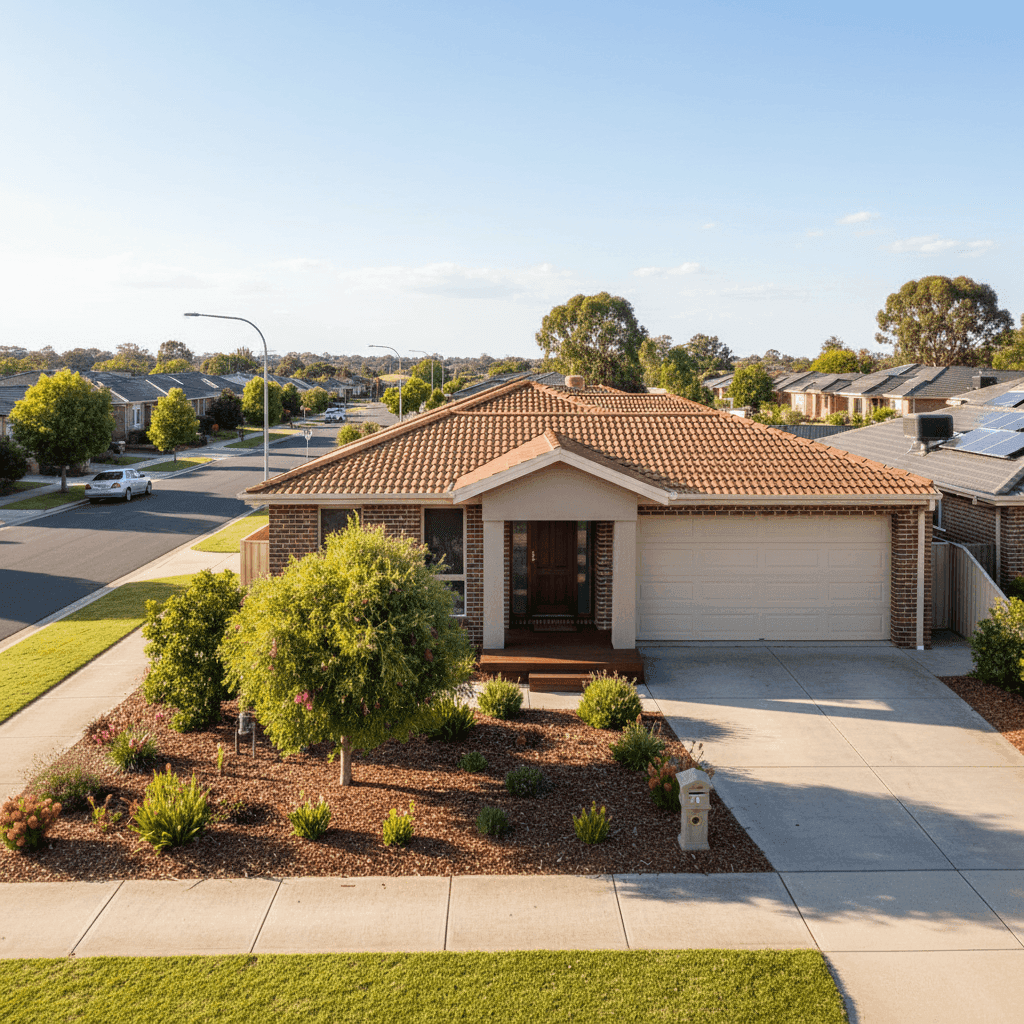
If you own a free standing home in Ruse, NSW 2560, you're likely curious about whether you're paying a fair price for your home and contents insurance. Located in the Campbelltown area of south-western Sydney, Ruse is a well-established residential suburb with a mix of brick homes built predominantly from the 1970s through to the 1990s. This article breaks down a real insurance quote for a five-bedroom property in the suburb and puts the numbers in context — so you can make a more informed decision about your cover.
---
Is This Quote Fair?
The quote in question comes in at $2,532 per year (or $243/month) for combined home and contents insurance, covering a building sum insured of $642,000 and contents valued at $50,000. Both the building and contents excess are set at $1,000.
Our price rating for this quote is FAIR — Around Average, and the data backs that up. The suburb average premium for Ruse sits at $2,524 per year, meaning this quote lands almost exactly on the average. It's comfortably within the middle range of what homeowners in the area are paying, sitting between the 25th percentile ($1,950/yr) and the 75th percentile ($3,008/yr) based on 29 quotes collected for Ruse.
In short, you're not being overcharged, but there's also room to potentially do better — particularly if you're closer to that lower quartile of the market.
---
How Ruse Compares
One of the most striking things about this quote is how favourably Ruse compares to broader benchmarks.
| Benchmark | Average Premium | Median Premium |
|---|---|---|
| Ruse (suburb) | $2,524/yr | $2,232/yr |
| LGA (Wollongong area) | $2,751/yr | — |
| NSW (state) | $9,528/yr | $3,770/yr |
| National | $5,347/yr | $2,764/yr |
The NSW state average of $9,528 per year is dramatically higher than what Ruse homeowners are paying — though it's worth noting that NSW averages are heavily skewed by high-risk and high-value properties across the state, particularly in flood-prone regions and prestige coastal markets. The median of $3,770 is a more representative figure, and even that is notably higher than the Ruse suburb median of $2,232.
Compared to the national average of $5,347 and a national median of $2,764, Ruse again comes out looking relatively affordable. Homeowners here benefit from a lower-risk profile — no cyclone exposure, relatively stable ground conditions, and a suburban setting that doesn't attract the same premiums as bushfire-prone or flood-affected areas.
The LGA-level figure of $2,751 per year is also slightly above what this quote reflects, suggesting Ruse sits on the more affordable end within its broader local government area.
---
Property Features That Affect Your Premium
Several characteristics of this property play a meaningful role in how insurers price the risk.
Brick Veneer Construction Brick veneer walls are generally viewed favourably by insurers. While not as robust as full double-brick construction, brick veneer offers good fire resistance and durability, which can help keep premiums in check compared to timber-framed or weatherboard homes.
Tiled Roof A tiled roof is considered a standard, lower-risk roofing material in Australia. Tiles are durable, fire-resistant, and widely used in suburban homes built in the 1980s. This is unlikely to attract any premium loading.
Slab Foundation A concrete slab foundation is common in homes of this era and is generally considered stable — particularly in the Campbelltown region where soil conditions are relatively consistent. Slab foundations can sometimes be more vulnerable to subsidence in reactive clay soils, so it's worth ensuring your policy covers this if relevant to your specific site.
1981 Construction Year Homes built in the early 1980s are now over 40 years old. While well-constructed, older homes can attract slightly higher premiums due to the age of electrical wiring, plumbing, and roofing materials. Insurers may factor in the cost of bringing these elements up to current building codes in the event of a claim.
214 sqm Floor Area with 5 Bedrooms A larger home means a higher replacement cost, which is reflected in the $642,000 building sum insured. It's important that this figure accurately represents what it would cost to fully rebuild the property today — underinsurance is one of the most common and costly mistakes homeowners make.
Ducted Climate Control The presence of ducted air conditioning is a notable inclusion. These systems can be expensive to repair or replace, and their value should ideally be captured either within the building sum insured (if fixed to the structure) or within your contents cover.
Timber and Laminate Flooring Timber and laminate floors can be costly to replace following water damage or fire. Ensuring your building sum insured accounts for quality floor coverings throughout a 214 sqm home is worthwhile — particularly given timber prices have risen significantly in recent years.
---
Tips for Homeowners in Ruse
1. Double-check your building sum insured The $642,000 figure needs to reflect the full cost of rebuilding your home from scratch — not its market value. Use a building cost calculator or speak with a quantity surveyor to verify this number. Underinsurance can leave you significantly out of pocket after a major claim.
2. Review your contents cover $50,000 in contents cover is on the lower end for a five-bedroom home. Take the time to do a proper home inventory — furniture, appliances, clothing, electronics, and valuables can add up quickly. Many homeowners discover they're underinsured on contents when they actually sit down and tally everything up.
3. Compare multiple quotes A "fair" rating means you're around the average — but that doesn't mean you can't find a better deal. Premiums for the same property can vary significantly between insurers. Get a quote through CoverClub to see how different providers price your specific risk.
4. Ask about discounts Many insurers offer discounts for bundling home and contents (which this policy already does), paying annually rather than monthly, or installing approved security systems. It's always worth asking what discounts are available before you commit.
---
Compare Your Home Insurance Today
Whether you're renewing your existing policy or shopping around for the first time, CoverClub makes it easy to see how your premium stacks up. Explore suburb-level insurance data for Ruse or get a personalised quote in minutes. With the right information, you can make sure you're getting genuine value — not just an average deal.