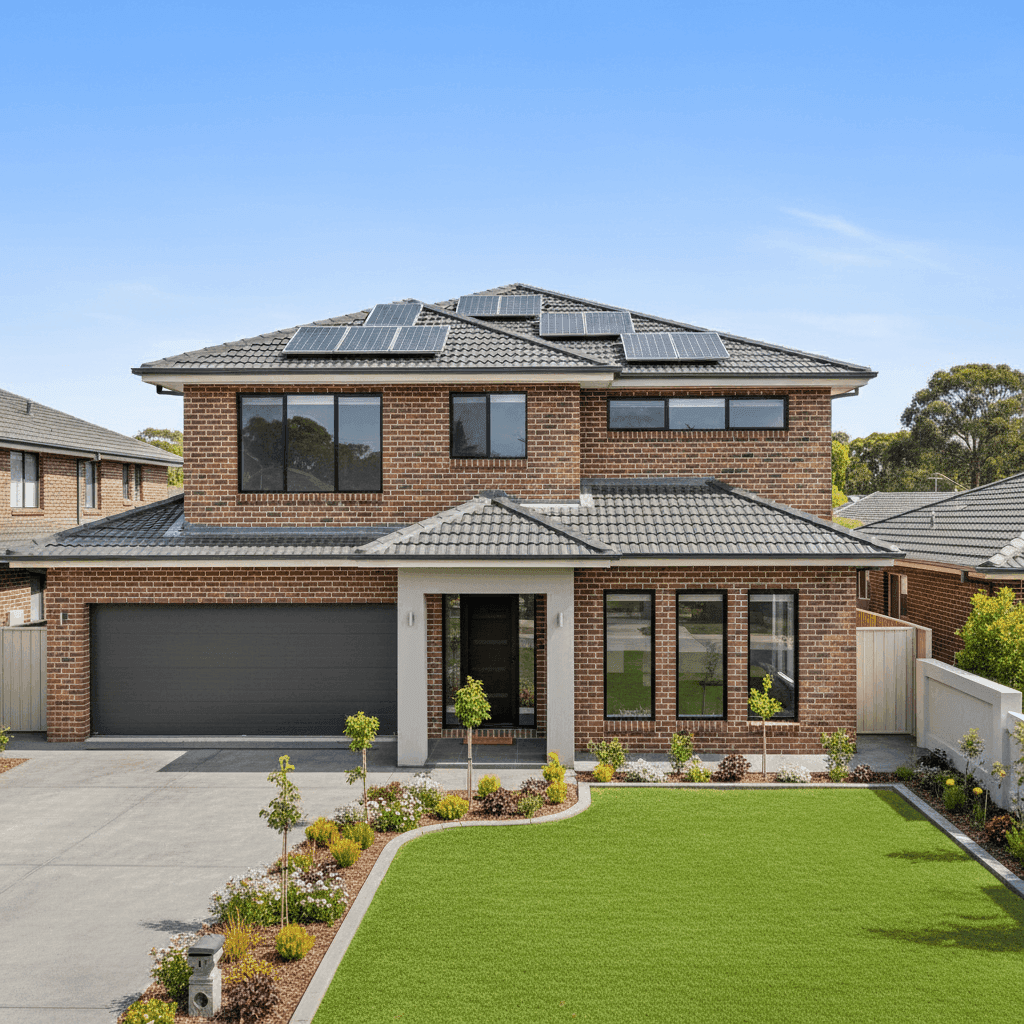
If you own a free standing home in Ryde, NSW 2112, you're probably wondering whether you're paying a fair price for home insurance — or leaving money on the table. This article breaks down a real home and contents insurance quote for a four-bedroom property in Ryde, benchmarks it against local, state, and national data, and offers practical tips to help you get the best value cover.
---
Is This Quote Fair?
The annual premium for this quote comes in at $1,638 per year (or $160/month), covering a building sum insured of $900,000 and $100,000 in contents. Our price rating for this quote is FAIR — Around Average.
What does "fair" actually mean here? It means the premium sits within a reasonable range relative to what other homeowners in the area are paying, without being a standout bargain or an obvious overpay. Given the building's size (153 sqm), its above-average fittings, and the relatively high sum insured, a premium in this range reflects a balanced risk assessment by the insurer.
The building excess is set at $2,000 and the contents excess at $1,000. These are fairly standard excess levels in the Australian market — higher excesses generally reduce your premium, so it's worth considering whether you'd prefer to trade a lower excess for a slightly higher annual cost, or vice versa.
---
How Ryde Compares
To put this quote in context, here's how the $1,638 annual premium stacks up against broader market data:
| Benchmark | Premium |
|---|---|
| This Quote | $1,638/yr |
| Ryde (2112) Average | $3,401/yr |
| Ryde (2112) Median | $3,366/yr |
| Ryde 25th Percentile | $1,177/yr |
| Ryde 75th Percentile | $5,089/yr |
| Ryde LGA Average | $1,920/yr |
| NSW Average | $3,801/yr |
| NSW Median | $3,410/yr |
| National Average | $2,965/yr |
| National Median | $2,716/yr |
This quote sits well below the Ryde suburb average of $3,401 and is also meaningfully under the NSW state average of $3,801 and the national average of $2,965. In fact, it falls between the suburb's 25th percentile ($1,177) and the Ryde LGA average ($1,920), placing it in the more affordable half of the local market.
It's worth noting that the suburb sample for Ryde 2112 is based on 10 quotes, so the averages should be interpreted as a useful guide rather than a definitive benchmark. That said, the consistency between the suburb average, median, NSW figures, and national data all pointing significantly higher than this quote is a positive signal for the policyholder.
The wide spread between the 25th percentile ($1,177) and 75th percentile ($5,089) in Ryde also tells an important story: home insurance premiums vary enormously depending on the specific property, insurer, and level of cover chosen. Shopping around can make a very real difference.
---
Property Features That Affect Your Premium
Several characteristics of this property have a direct influence on the premium calculated. Understanding these factors can help you anticipate how insurers view your risk profile.
Brick veneer construction is generally viewed favourably by insurers. It offers solid fire resistance and durability compared to timber-framed or clad exteriors, which can translate into lower premiums. Combined with a tiled roof, this property sits in a construction category that is considered lower risk for weather-related damage — tiles are durable and widely used across Sydney's suburbs.
The slab foundation is standard for homes built in this era and region, and doesn't typically attract loading. However, slab foundations can be more susceptible to subsidence in certain soil conditions, so it's worth confirming your policy covers gradual movement or subsidence if that's a concern in your area.
Solar panels are an increasingly common feature on Australian homes, and this property has them. It's important to ensure your building sum insured accounts for the replacement cost of the solar system — many homeowners underestimate this. Check whether your policy covers solar panels under the building section, and confirm the replacement value is factored into your $900,000 sum insured.
Ducted climate control adds to the replacement cost of the home and is appropriately reflected in the above-average fittings classification. Systems like these can cost tens of thousands of dollars to replace, so ensuring your sum insured is accurate is critical.
The property was built in 2002, meaning it's over two decades old. While it's not a heritage property, it's worth periodically reviewing your building sum insured to account for rising construction costs — a figure set years ago may no longer reflect what it would actually cost to rebuild today.
---
Tips for Homeowners in Ryde
1. Review your sum insured regularly Construction costs in Sydney have risen sharply in recent years. A building sum insured of $900,000 may be appropriate now, but it's worth recalculating your rebuild cost annually — especially if you've completed renovations or if local labour and material costs have shifted. Underinsurance is one of the most common and costly mistakes Australian homeowners make.
2. Check your solar panel coverage If you have solar panels (as this property does), confirm with your insurer exactly how they're covered. Are they included in the building sum insured? Are they covered for accidental damage, storm damage, and power surge? Getting clarity on this before you need to make a claim can save significant stress.
3. Compare quotes before renewal The wide premium range in Ryde — from $1,177 to over $5,000 — shows that insurers price risk very differently. Don't simply auto-renew. Use a comparison tool like CoverClub to check whether a better deal is available before your policy rolls over each year.
4. Consider your excess strategically This policy carries a $2,000 building excess and $1,000 contents excess. If you have a solid emergency fund and are unlikely to make small claims, maintaining a higher excess in exchange for a lower premium can be a smart financial decision. Conversely, if cash flow is a concern, a lower excess policy might offer better peace of mind — just be aware it will likely cost more annually.
---
Compare Your Home Insurance Options
Whether you're reviewing an existing policy or shopping for cover for the first time, it pays to see what's available in the market. CoverClub makes it easy for Australian homeowners to compare home and contents insurance quotes side by side. Get a quote today and see how your current premium stacks up — you might be surprised at what's out there.