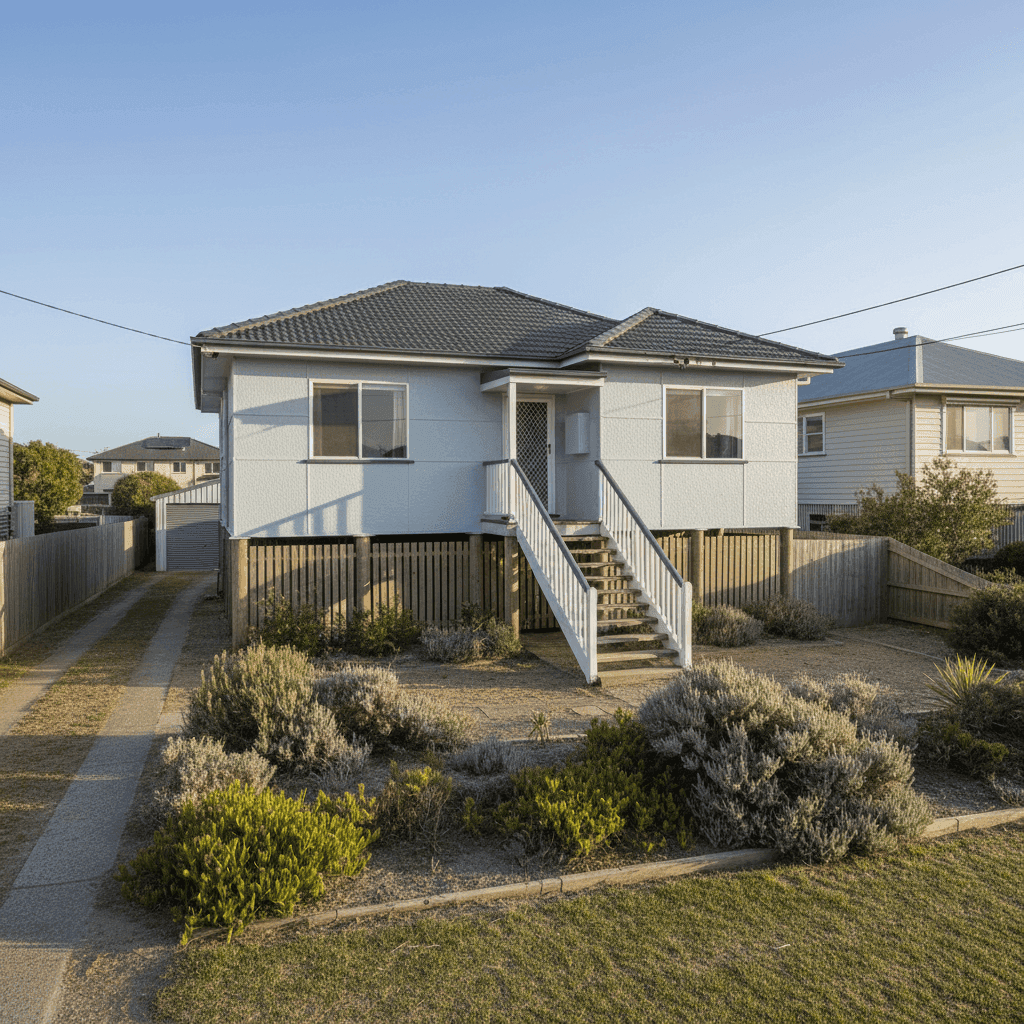
Rye is a relaxed coastal town on the Mornington Peninsula, popular with families, retirees, and holiday homeowners alike. With its proximity to Port Phillip Bay and the rugged ocean beaches on the other side of the peninsula, it's an enviable place to own property. But like any coastal suburb, insuring your home here comes with its own set of considerations. This article breaks down a real home and contents insurance quote for a 3-bedroom, 2-bathroom free-standing home in Rye (VIC 3941) and puts the numbers in context so you can make a more informed decision about your own cover.
---
Is This Quote Fair?
The annual premium for this property came in at $1,853 per year (or $178/month), covering a building sum insured of $366,000 and $35,000 in contents — with a $1,000 excess applying to both building and contents claims.
Our price rating for this quote is FAIR — Around Average, and the data backs that up. Based on 42 quotes collected for Rye (3941), the suburb's average premium sits at $1,582/year and the median at $1,520/year. At $1,853, this quote lands just below the 75th percentile of $1,882 — meaning roughly three-quarters of comparable quotes in the suburb come in cheaper, but only just.
In other words, you're not being gouged, but there's likely some room to shop around. Homeowners who fall between the 25th percentile ($1,197/yr) and this quote's level could potentially save several hundred dollars annually by comparing insurers.
---
How Rye Compares to the Rest of Victoria and Australia
One of the most striking takeaways from this data is just how affordable Rye is relative to broader benchmarks.
| Benchmark | Average Premium | Median Premium |
|---|---|---|
| Rye (3941) | $1,582/yr | $1,520/yr |
| Mornington Peninsula LGA | $2,652/yr | — |
| Victoria | $3,000/yr | $2,718/yr |
| National | $5,347/yr | $2,764/yr |
Compared to the Victorian state average of $3,000/year, Rye homeowners are paying significantly less — roughly 47% below the state mean. Even against the Mornington Peninsula LGA average of $2,652/year, Rye comes out well ahead.
When you zoom out to the national picture, the contrast is even sharper. The national average of $5,347/year is heavily skewed by high-risk regions in Queensland, Western Australia, and the Northern Territory — areas prone to cyclones, flooding, and extreme weather events. Rye's coastal-but-sheltered position on Port Phillip Bay, combined with its non-cyclone-risk classification, keeps premiums considerably more manageable.
The quote analysed here ($1,853/yr) is still above the Rye suburb average, but it remains well within a reasonable range given the property's specific characteristics — which we'll unpack below.
---
Property Features That Affect Your Premium
Several features of this particular home have a meaningful influence on the premium quoted.
Fibro Asbestos External Walls
This is arguably the most significant rating factor for this property. Homes built with fibro asbestos cladding — common in Australian homes constructed before the late 1980s — are treated differently by insurers. The material itself isn't necessarily more prone to damage, but repairs and rebuilds involving asbestos-containing materials require licensed asbestos removal contractors, which adds substantially to claim costs. Insurers factor this into their pricing, and it's one likely contributor to this quote sitting above the suburb median.
Construction Year: 1985
A 1985 build puts this home squarely in the era when fibro asbestos was still widely used. Older homes can also carry higher rebuilding costs due to non-standard materials, updated building code compliance requirements, and the need to match period-appropriate finishes. The $366,000 building sum insured reflects a realistic estimate for a 139 sqm home of this age and construction type.
Elevated Foundation (Stumps)
The home sits elevated by at least one metre on stumps — a classic Australian construction style, particularly common in coastal and semi-rural areas. While elevation can offer some protection against minor surface flooding, it also means the sub-floor space, stumps, and bearers are exposed to the elements and potential pest activity. Insurers consider the added complexity of repairing or replacing elevated structures.
Tiled Roof and Tiled Flooring
Terracotta or concrete tile roofs are generally well-regarded by insurers — they're durable, fire-resistant, and long-lasting. Tiled flooring similarly signals a solid, low-maintenance property. These features likely work in the homeowner's favour from a risk perspective.
Ducted Climate Control
The presence of ducted climate control adds to the insured value of the home's fixtures and fittings. It's a meaningful asset to protect and is appropriately factored into the building sum insured.
No Pool, No Solar Panels
The absence of a pool removes a common liability and maintenance risk from the equation. No solar panels means no additional coverage complexity for rooftop systems — both factors that can help keep premiums from climbing higher.
---
Tips for Homeowners in Rye
1. Get multiple quotes before renewing With 42 quotes in our Rye dataset ranging from $1,197/year at the 25th percentile to $1,882/year at the 75th, there's clearly meaningful price variation between insurers for similar properties. Don't let your policy auto-renew without checking what else is available — compare quotes at CoverClub to see where you stand.
2. Review your building sum insured regularly Construction costs have risen sharply in recent years. A 139 sqm home with asbestos-containing materials will cost more to rebuild today than it would have five years ago. Make sure your sum insured keeps pace with current rebuild costs — underinsurance is one of the most common and costly mistakes homeowners make at claim time.
3. Ask about asbestos disclosure and cover conditions Not all insurers treat fibro asbestos homes the same way. Some may impose sub-limits or exclusions on asbestos-related removal and remediation costs. Before committing to a policy, confirm exactly what's covered if asbestos disturbance is involved in a claim — this is especially relevant for older homes like this one.
4. Consider your contents coverage carefully At $35,000, the contents sum insured is on the modest side. Take a room-by-room inventory of your belongings — furniture, appliances, clothing, electronics, and valuables — to make sure this figure truly reflects what you'd need to replace. Underinsuring contents is just as financially painful as underinsuring the building itself.
---
Compare Your Home Insurance Today
Whether you own a holiday home in Rye or live there year-round, making sure you have the right cover at a competitive price matters. CoverClub makes it easy to see how your current premium stacks up and explore alternatives — all in one place. Get a home insurance quote now and find out if you're paying a fair price for your property.
For more suburb-level data on Rye and surrounds, visit our Rye insurance stats page or browse the full Victorian insurance overview.