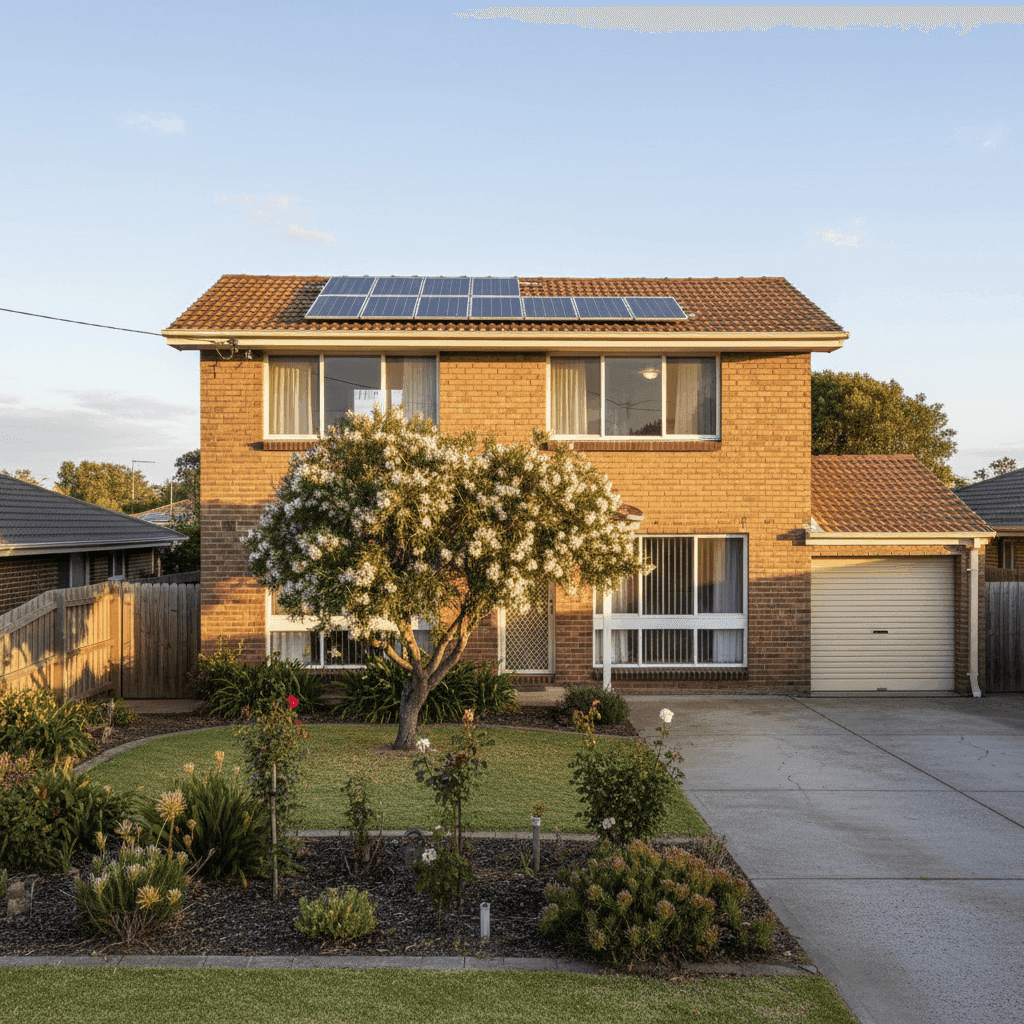
If you own a free standing home in Safety Bay, WA 6169, you've probably wondered whether your home insurance premium is reasonable — or whether you're quietly paying more than you should. This article breaks down a real home and contents insurance quote for a three-bedroom, double brick property in Safety Bay, comparing it against suburb, state, and national benchmarks to help you make a more informed decision.
---
Is This Quote Fair?
The quote in question comes in at $2,237 per year (or roughly $214 per month) for combined home and contents cover, with a building sum insured of $612,000 and contents valued at $10,000. Both the building and contents excess are set at $500.
Based on our analysis, this quote is rated Expensive — above average for the Safety Bay area. While it sits below the national average of $2,965/yr, it's noticeably higher than what most Safety Bay homeowners are paying. The suburb average premium is just $1,426/yr, and the median sits even lower at $1,236/yr — meaning this quote is running approximately 57% above the suburb average and 81% above the suburb median.
That said, context matters. The building sum insured of $612,000 is a significant figure, and higher replacement cost coverage will always push premiums upward. The property was also built in 1977, which places it in an era where construction standards and materials differ from modern builds — something insurers factor into their risk assessments.
---
How Safety Bay Compares
To put this quote into proper perspective, here's how Safety Bay stacks up against broader benchmarks:
| Benchmark | Average Premium | Median Premium |
|---|---|---|
| Safety Bay (6169) | $1,426/yr | $1,236/yr |
| Rockingham LGA | $1,561/yr | — |
| Western Australia | $2,144/yr | $1,944/yr |
| National | $2,965/yr | $2,716/yr |
A few things stand out here. Safety Bay is actually a relatively affordable suburb when it comes to home insurance — premiums in this postcode sit well below both the WA state average and the national average. The suburb's 75th percentile sits at $1,924/yr, meaning the quote analysed here is above even the most expensive quarter of policies in the area.
This suggests there is likely room to find a more competitive premium — particularly if the homeowner shops around or adjusts their coverage parameters. You can explore how Safety Bay compares in more detail on the suburb stats page.
---
Property Features That Affect Your Premium
Several characteristics of this property influence how insurers price the risk:
Double Brick Construction
Double brick is generally viewed favourably by insurers in Western Australia. It's a durable, fire-resistant material that holds up well in the Perth climate. Homes with double brick walls often attract lower premiums compared to weatherboard or clad alternatives — so this is a positive factor for the homeowner.
Tiled Roof
A tiled roof is considered a standard, reliable roofing material in Australia. It performs well against fire and moderate weather events, and most insurers don't apply a loading for this roof type. Combined with double brick walls, this property has a solid construction profile.
Slab Foundation & Tiled Flooring
A concrete slab foundation is the norm for homes of this era in WA and is generally considered low risk. Tiled flooring throughout also reduces the risk of water damage claims compared to carpet or timber, which can be a subtle positive in the insurer's eyes.
Construction Year: 1977
Older homes — particularly those built before the 1990s — can attract slightly higher premiums due to ageing plumbing, electrical systems, and roofing materials that may be approaching end-of-life. Insurers may apply a loading to reflect the increased likelihood of maintenance-related claims. At nearly 50 years old, this property may be contributing to a higher base premium.
Solar Panels
The presence of solar panels adds a small but real layer of risk for insurers. Panels represent an additional asset that can be damaged by storms or hail, and their replacement cost is factored into the sum insured. It's worth confirming with your insurer that your solar system is explicitly covered under your policy.
No Pool, No Cyclone Risk
The absence of a pool removes a common liability concern, and Safety Bay falls outside designated cyclone risk zones — both of which help keep premiums more manageable than they might otherwise be.
---
Tips for Homeowners in Safety Bay
1. Review your sum insured carefully A building sum insured of $612,000 is substantial. Make sure this figure reflects the actual cost to rebuild your home from scratch — not its market value. Overinsuring can mean unnecessarily high premiums, while underinsuring leaves you exposed. Use a building cost calculator or consult a quantity surveyor to get an accurate figure.
2. Compare multiple quotes before renewing Given that this quote sits well above the suburb average, it's worth getting at least two or three competing quotes before renewing. Premiums for the same property can vary by hundreds of dollars between insurers. Start comparing quotes at CoverClub to see what else is on the market.
3. Consider your contents sum insured A contents value of $10,000 is on the lower end for a three-bedroom home. Take a moment to do a room-by-room inventory of your belongings — furniture, appliances, clothing, electronics, and valuables. Underinsuring your contents can leave you significantly out of pocket after a claim.
4. Ask about discounts for home security Many insurers offer discounts for homes with monitored alarm systems, deadbolts, or security cameras. If you haven't already invested in basic security measures, they can pay for themselves in premium savings over time — and provide peace of mind.
---
Ready to Find a Better Deal?
If your current premium feels high, you're not alone — and you don't have to accept the first quote you receive. CoverClub makes it easy to compare home and contents insurance options for Safety Bay and across Western Australia, so you can find cover that fits both your property and your budget. Get a quote today at CoverClub and see how much you could save.