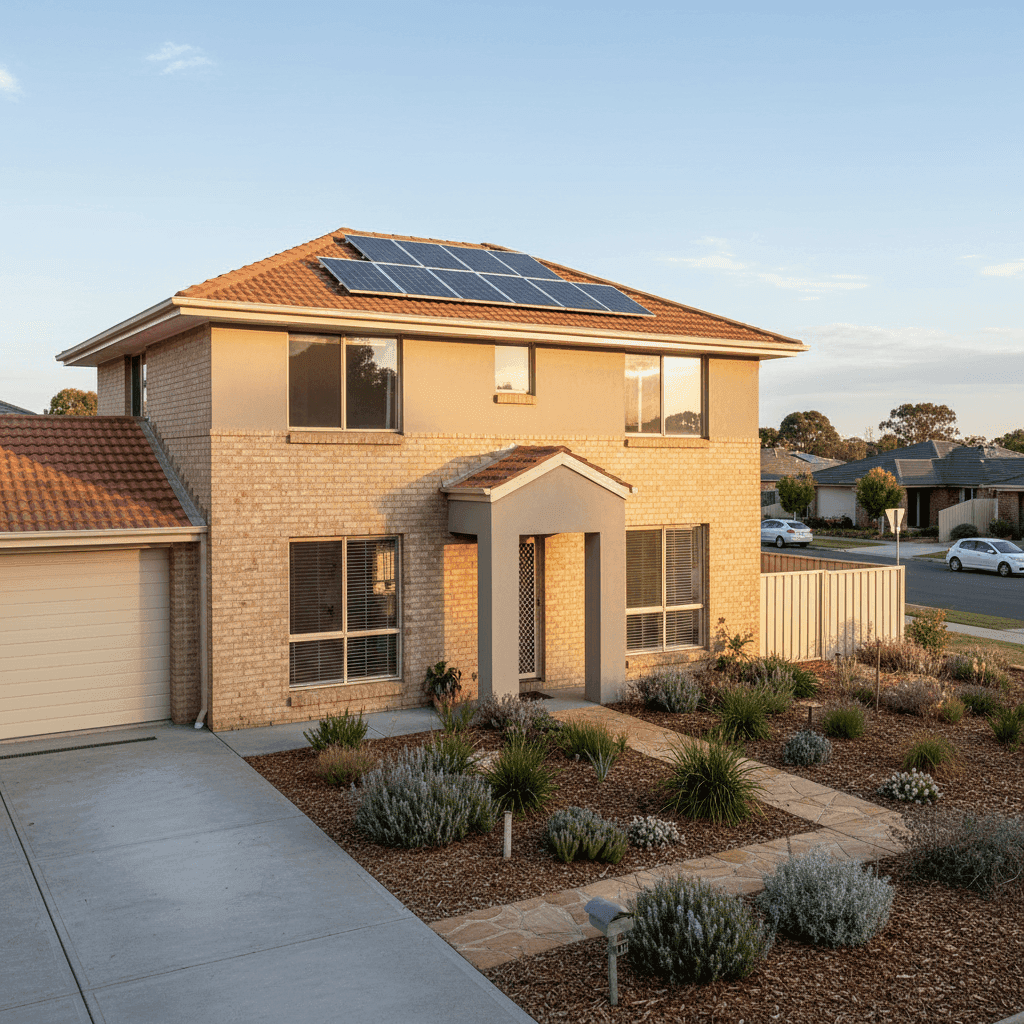
If you own a four-bedroom free standing home in Safety Bay, WA 6169, you're probably curious whether your home and contents insurance premium is competitive — or whether you're paying more than you should. Safety Bay is a well-established coastal suburb in the City of Rockingham, popular for its relaxed lifestyle, proximity to the Shoalwater Islands Marine Park, and solid stock of brick-and-tile family homes. In this article, we analyse a real home and contents insurance quote for a property in this suburb and put it into context against local, state-wide, and national benchmarks.
---
Is This Quote Fair?
The quote in question comes in at $2,448 per year (or $235 per month) for a four-bedroom, double brick free standing home with a building sum insured of $636,000 and contents covered to $50,000. Both the building and contents excess are set at $500.
Our price rating for this quote is Expensive (Above Average). That assessment is grounded in real data: the suburb average premium for Safety Bay sits at $1,617 per year, and the median is $1,785 per year. This quote lands well above both figures, and also exceeds the suburb's 75th percentile of $2,213 per year — meaning it's pricier than at least three-quarters of comparable quotes in the area.
That said, context matters. The building sum insured of $636,000 is a significant figure, and the inclusion of contents cover adds to the overall cost. A higher insured value naturally attracts a higher premium, so some of the price gap is expected. Even so, the margin above the local median is notable enough to warrant shopping around.
---
How Safety Bay Compares
To understand whether this quote represents value, it helps to zoom out and look at the broader picture. Here's how Safety Bay stacks up:
| Benchmark | Annual Premium |
|---|---|
| This Quote | $2,448 |
| Safety Bay Suburb Average | $1,617 |
| Safety Bay Suburb Median | $1,785 |
| Safety Bay 25th Percentile | $1,147 |
| Safety Bay 75th Percentile | $2,213 |
| LGA (Rockingham) Average | $1,561 |
| WA State Average | $2,811 |
| WA State Median | $2,127 |
| National Average | $5,347 |
| National Median | $2,764 |
A few things stand out here. First, this quote is above the suburb average and median, and above the Rockingham LGA average of $1,561 — suggesting that locally, more affordable options may exist. You can explore the full data for the suburb at our Safety Bay insurance stats page.
Second, when viewed against the WA state average of $2,811, this quote is actually below the state mean — which reflects the fact that premiums in parts of northern and regional WA are significantly elevated by cyclone and weather risk. Safety Bay, being in the southern metropolitan region, benefits from a relatively benign risk profile in that regard.
Third, compared to national averages, this quote looks very reasonable. The national average of $5,347 is skewed upward by high-risk areas in Queensland and Northern Australia, so Safety Bay homeowners are in a fortunate position by comparison.
The takeaway: this quote is on the expensive side for Safety Bay specifically, but not alarming in a broader WA or national context. It's worth comparing, but not cause for immediate alarm.
---
Property Features That Affect Your Premium
Several characteristics of this property influence the premium, both positively and negatively.
Double brick construction is generally viewed favourably by insurers. It offers excellent structural integrity, strong fire resistance, and durability in the face of storms. Homes built with double brick typically attract lower premiums than those with lightweight or timber-frame construction.
Tiled roof is another positive signal for insurers. Terracotta and concrete tiles are durable, fire-resistant, and long-lasting — all factors that reduce the likelihood of a claim.
Slab foundation is standard for WA homes of this era and is generally considered low-risk from an insurance perspective, provided the soil conditions are stable.
Timber and laminate flooring can be a modest risk factor for contents claims — these floor types can be damaged by water ingress or flooding — but the impact on premiums is typically minor.
Solar panels are an increasingly common feature on Australian homes, but they do add to the insurable value of a property. Insurers need to account for the replacement cost of the system, which can run into several thousand dollars. It's worth confirming with your insurer that your solar panels are explicitly covered under your building policy.
Ducted climate control is another feature that adds to the replacement value of the home. These systems are expensive to repair or replace, and their inclusion in the building sum insured is important. At $636,000, the sum insured here appears to account for these features, which is appropriate.
The property was built in 1981, which places it in a common cohort of WA homes. Homes of this age are generally well-understood by insurers and don't carry the same uncertainty as very old or heritage-listed properties.
---
Tips for Homeowners in Safety Bay
1. Review your sum insured annually Building costs in WA have risen significantly in recent years due to labour shortages and material price increases. Make sure your sum insured reflects the current cost to rebuild — not the market value of the land and home combined. Underinsurance is a real risk, and being caught short at claim time can be devastating.
2. Confirm solar panels are covered Not all policies automatically cover solar panel systems under the building section. Check your Product Disclosure Statement (PDS) carefully, and ask your insurer explicitly whether your panels — including inverters and mounting hardware — are included in your building cover.
3. Compare quotes before renewal With this quote sitting above the suburb median, it's well worth getting a second (or third) opinion before renewing. Premiums can vary significantly between insurers for the same property and cover level. Get a quote through CoverClub to see what other providers are offering for your address.
4. Consider your excess level Both the building and contents excesses on this policy are set at $500, which is relatively standard. Opting for a higher voluntary excess (say, $1,000 or $2,000) can meaningfully reduce your annual premium — just make sure you're comfortable covering that amount out of pocket if you need to make a claim.
---
Compare Your Home Insurance Today
Whether you're renewing an existing policy or insuring a property for the first time, it pays to compare. CoverClub makes it easy to see how your premium stacks up against real quotes from Safety Bay and across Western Australia. Start your comparison now and make sure you're getting the right cover at a fair price.