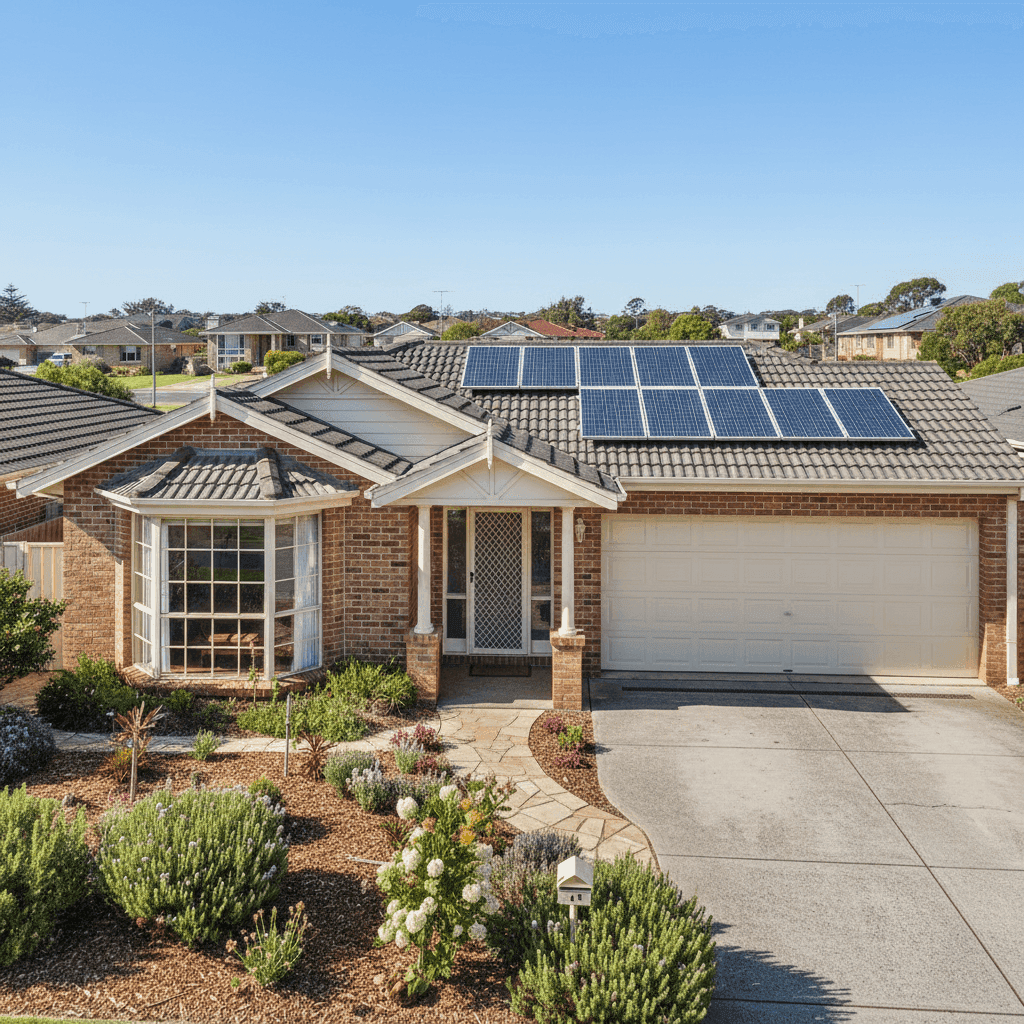
Safety Beach is a relaxed coastal suburb tucked along the western shore of Port Phillip Bay on Victoria's Mornington Peninsula — a location that blends lifestyle appeal with some genuinely interesting insurance dynamics. This article breaks down a real home and contents insurance quote for a four-bedroom, free-standing home in the area, rated Cheap (Below Average) by CoverClub's pricing engine. We'll unpack what's driving that result, how it compares to the broader market, and what local homeowners can do to keep their premiums in check.
---
Is This Quote Fair?
The short answer: yes — and then some. At $1,092 per year (or around $107 per month), this quote comes in dramatically below what most Safety Beach homeowners are paying. Based on 61 quotes collected across the suburb, the suburb average sits at $4,057/yr and the median at $3,102/yr. Even the cheapest quarter of quotes in the area — the 25th percentile — averages $2,331/yr. That means this quote is more than 50% cheaper than the most affordable tier of typical Safety Beach premiums.
Benchmarked against the Victorian state average of $2,921/yr and the national average of $2,965/yr, the picture is equally striking. This homeowner is paying roughly one-third of what the average Australian pays for equivalent cover. For a property with a $435,000 building sum insured and $50,000 in contents cover, that's a genuinely exceptional outcome.
It's worth noting that both the building and contents excesses are set at $5,000 — higher than many standard policies. Opting for a higher excess is one of the most effective ways to reduce your annual premium, so this likely plays a meaningful role in bringing the cost down. That said, it's a trade-off: if you ever need to make a claim, you'll be covering the first $5,000 out of pocket.
---
How Safety Beach Compares
Safety Beach sits within the Mornington Peninsula Local Government Area, where the average home insurance premium is $2,652/yr — still more than double this quote. The suburb itself skews notably higher than the LGA average, which may reflect a mix of factors including coastal proximity, higher-value homes, and the concentration of premium properties in the area.
| Benchmark | Annual Premium |
|---|---|
| This Quote | $1,092 |
| Safety Beach Suburb Average | $4,057 |
| Safety Beach Suburb Median | $3,102 |
| Safety Beach 25th Percentile | $2,331 |
| Safety Beach 75th Percentile | $6,217 |
| Mornington Peninsula LGA Average | $2,652 |
| Victoria State Average | $2,921 |
| National Average | $2,965 |
The wide spread between the 25th ($2,331) and 75th ($6,217) percentile premiums in Safety Beach tells an important story: there is enormous variability in what insurers are charging in this suburb. The right insurer, the right property characteristics, and the right policy structure can make a difference of thousands of dollars per year. This is precisely why comparing quotes — rather than simply renewing with your existing insurer — matters so much.
---
Property Features That Affect Your Premium
Several characteristics of this particular property work in the homeowner's favour from a risk-assessment perspective.
Brick Veneer Construction Brick veneer is one of the most common wall types in Australian suburban homes, and insurers generally view it favourably. It offers solid fire resistance compared to weatherboard or lightweight cladding, which can translate to lower premiums.
Concrete Tile Roof A concrete roof is durable and performs well in most weather conditions. Compared to older corrugated iron or fibrous cement roofing, concrete tiles are less prone to storm damage and carry a lower replacement risk — a positive signal for underwriters.
Slab Foundation A concrete slab foundation is considered low-risk by most insurers. It avoids the moisture and pest vulnerabilities associated with raised timber stumps, and slab homes tend to have more predictable structural behaviour over time.
Construction Year: 1985 At around 40 years old, this home sits in a moderately aged bracket. It's old enough that some building components (plumbing, electrical) may be approaching end-of-life, but it was built during an era of solid construction standards. Insurers may factor in the age when pricing, though it's not typically a major driver compared to construction type.
Solar Panels The presence of rooftop solar panels adds a small layer of complexity for insurers — panels need to be covered against storm damage, fire, and electrical faults. However, many modern policies include solar panels under standard building cover, and their presence doesn't usually cause a significant premium increase.
Ducted Climate Control Ducted systems are a higher-value fixed asset compared to split systems, and their inclusion in the building sum insured is important to get right. At $435,000, the building sum insured appears to account for the quality of fittings — described here as top of the range — which is the correct approach to avoid underinsurance.
No Pool The absence of a pool removes a common source of liability and maintenance-related claims, which keeps the risk profile cleaner.
---
Tips for Homeowners in Safety Beach
1. Review your sum insured annually Construction costs on the Mornington Peninsula have risen sharply in recent years. A building sum insured that was accurate two years ago may no longer reflect the true cost to rebuild. Use a building cost calculator or speak with a quantity surveyor to make sure $435,000 still covers your full rebuild cost — including high-quality fittings.
2. Understand the excess trade-off A $5,000 excess has clearly helped bring this premium down significantly. But before locking that in, ask yourself: could you comfortably cover $5,000 out of pocket after a storm or fire? If not, consider whether a lower excess at a modestly higher premium might be the smarter financial position.
3. Compare quotes at renewal — every year The Safety Beach market shows a massive spread in premiums, from under $2,331 to over $6,217. Insurers reprice their books regularly, and the cheapest option today may not be the cheapest next year. Running a fresh comparison at CoverClub before your renewal date takes minutes and could save you thousands.
4. Check your contents cover reflects reality $50,000 in contents cover is relatively modest for a four-bedroom home with top-of-the-range fittings. Walk through each room and consider whether your furniture, appliances, clothing, electronics, and valuables add up to more than that figure. Underinsuring contents is one of the most common mistakes Australian homeowners make.
---
Ready to See What You Could Pay?
Whether you're a Safety Beach local or anywhere else in Australia, CoverClub makes it easy to see real quotes side by side — so you can make an informed decision rather than guessing. Get a home insurance quote now and find out where your premium sits compared to your neighbours. You can also explore detailed pricing data for Safety Beach, Victoria, and the rest of Australia.