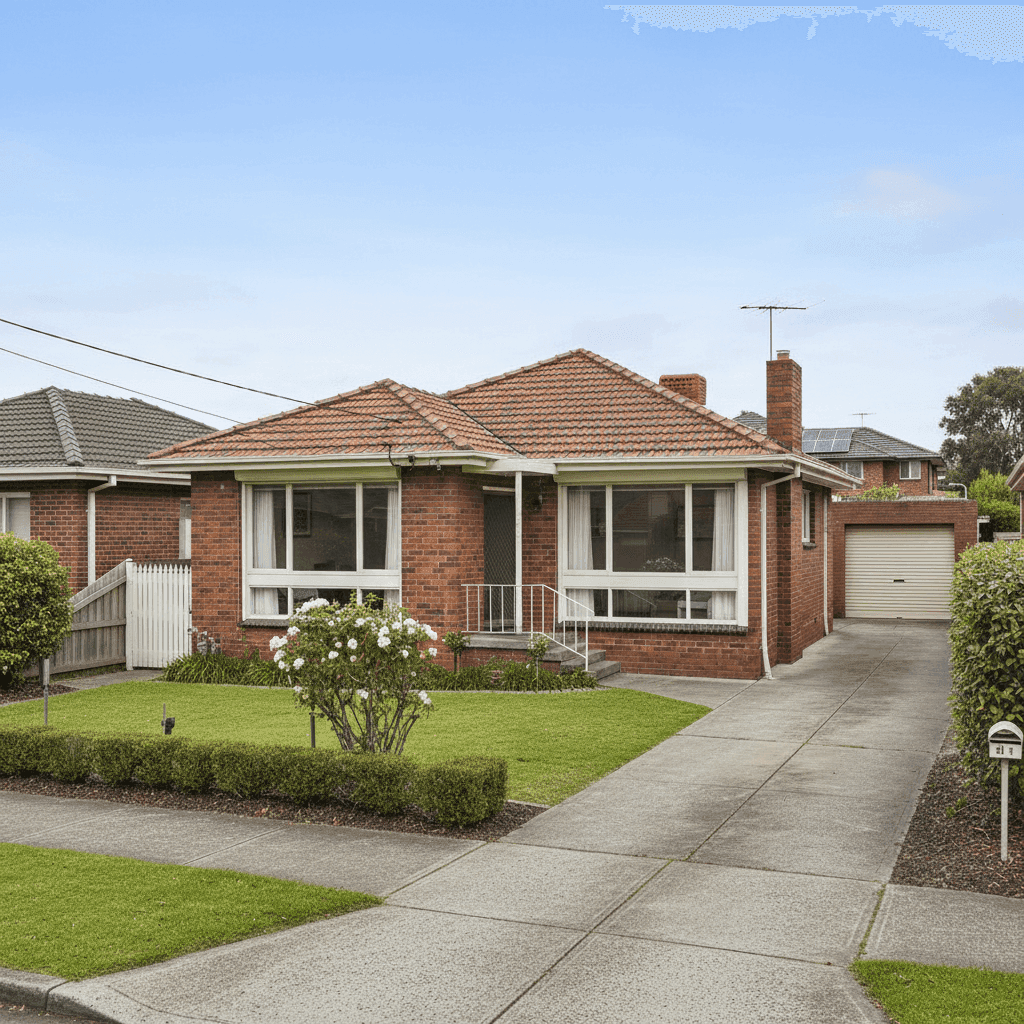
Getting a handle on what you should be paying for home insurance can feel like navigating a maze — especially when premiums vary so dramatically from one suburb to the next. This article breaks down a real home and contents insurance quote for a four-bedroom, free standing home in Saint Albans, VIC 3021, comparing it against local, state, and national benchmarks so you can judge whether you're getting a fair deal.
---
Is This Quote Fair?
The short answer: yes — this is a genuinely competitive quote.
At $1,263 per year (or roughly $121 per month), this home and contents policy covers a building sum insured of $616,000 and contents valued at $178,000. CoverClub rates this quote as Cheap (Below Average), meaning it sits well below what most comparable properties in the area are paying.
To put that in perspective, the suburb average for Saint Albans sits at $1,627 per year, and the median comes in at $1,602. That means this quote is approximately $364 cheaper than the average — a saving of around 22%. Even against the suburb's 25th percentile (the cheapest quarter of quotes), which lands at $1,446, this policy still undercuts the field.
For a property of this size and age, that's a meaningful difference. Over five years, that gap compounds to well over $1,800 in potential savings compared to paying the suburb average.
The building excess is set at $2,000 and the contents excess at $1,000 — both reasonable figures that reflect a standard risk-sharing arrangement between the insurer and homeowner.
---
How Saint Albans Compares
Saint Albans is notably more affordable to insure than most of Victoria — and the country as a whole. Here's how the numbers stack up:
| Benchmark | Annual Premium |
|---|---|
| This Quote | $1,263 |
| Saint Albans Suburb Average | $1,627 |
| Saint Albans Suburb Median | $1,602 |
| Brimbank LGA Average | $1,911 |
| VIC State Average | $2,921 |
| VIC State Median | $2,694 |
| National Average | $2,965 |
| National Median | $2,716 |
The contrast with state and national figures is striking. The Victorian state average sits at $2,921 per year — more than double what this Saint Albans homeowner is paying. The national average is even higher at $2,965, driven upward by high-risk regions in Queensland and Western Australia that face cyclone, flood, and bushfire exposure.
Within the Brimbank LGA, the average premium of $1,911 is also considerably higher than the Saint Albans suburb average of $1,627, suggesting that Saint Albans itself may carry a relatively favourable risk profile within the broader council area.
It's worth noting that the suburb sample size here is eight quotes, which is a reasonable but not enormous dataset. As more quotes are collected, these averages may shift slightly — but the directional story is clear: Saint Albans is an affordable suburb to insure by almost any measure.
---
Property Features That Affect Your Premium
Several characteristics of this particular property work in the homeowner's favour when it comes to pricing.
Brick veneer construction is one of the most insurer-friendly wall types in Australia. It offers solid fire resistance and structural durability compared to weatherboard or clad alternatives, which typically attract higher premiums due to greater vulnerability to fire and weather damage.
Tiled roofing is similarly well-regarded by insurers. Tiles are durable, low-maintenance, and perform well in most weather conditions. They're less susceptible to wind and hail damage than corrugated metal or older fibrous cement roofing, which can translate to lower storm-related claims risk.
Stump foundations are common in older Melbourne homes and are generally well understood by insurers operating in Victoria. While stumps can occasionally raise questions around subsidence or movement — particularly in areas with reactive clay soils — they don't typically trigger significant premium loading on their own.
Timber and laminate flooring is a neutral factor for most insurers. It can be more costly to replace than carpet in a contents or building claim, but it's a standard finish in Australian homes and doesn't meaningfully shift the risk profile.
The 1973 construction year is worth keeping an eye on. Homes of this era are approaching or past the 50-year mark, and some insurers apply age-related loadings, particularly if electrical wiring, plumbing, or roofing hasn't been updated. Maintaining documentation of any renovations or upgrades can help when negotiating or renewing cover.
The absence of a pool and solar panels simplifies the risk profile — both features, while common in modern homes, can add complexity and cost to a policy. The presence of ducted climate control is a positive inclusion to note when valuing building contents, as these systems can be expensive to replace.
At 214 square metres, this is a generously sized home for the suburb, which is reflected in the $616,000 building sum insured. Ensuring this figure keeps pace with construction cost inflation is important — underinsurance remains one of the most common and costly mistakes Australian homeowners make.
---
Tips for Homeowners in Saint Albans
1. Review your sum insured annually Construction costs have risen sharply across Australia in recent years. The $616,000 building sum insured may be appropriate today, but it's worth recalculating each year using a building cost estimator to ensure you're not left short in the event of a total loss.
2. Document your contents thoroughly With $178,000 in contents cover, keeping a detailed home inventory — including photos, receipts, and serial numbers for high-value items — makes the claims process significantly smoother. Store this documentation securely in the cloud or offsite.
3. Ask about discounts for security upgrades Many insurers offer reduced premiums for homes fitted with monitored alarms, deadbolts, or security screens. If you haven't already, it's worth asking your insurer whether any security improvements could lower your renewal premium.
4. Shop around at renewal time Even with a below-average premium, loyalty doesn't always pay in the insurance market. Insurers frequently offer better rates to new customers than to renewing ones. Running a comparison at renewal — especially through a platform like CoverClub — takes only a few minutes and can reveal meaningful savings.
---
Compare Your Own Quote
Whether you're a first-time buyer or a long-time Saint Albans resident, understanding what your neighbours are paying is one of the most powerful tools you have at renewal time. CoverClub makes it easy to benchmark your current premium and explore competitive alternatives. Get a home insurance quote today and see how your policy stacks up.