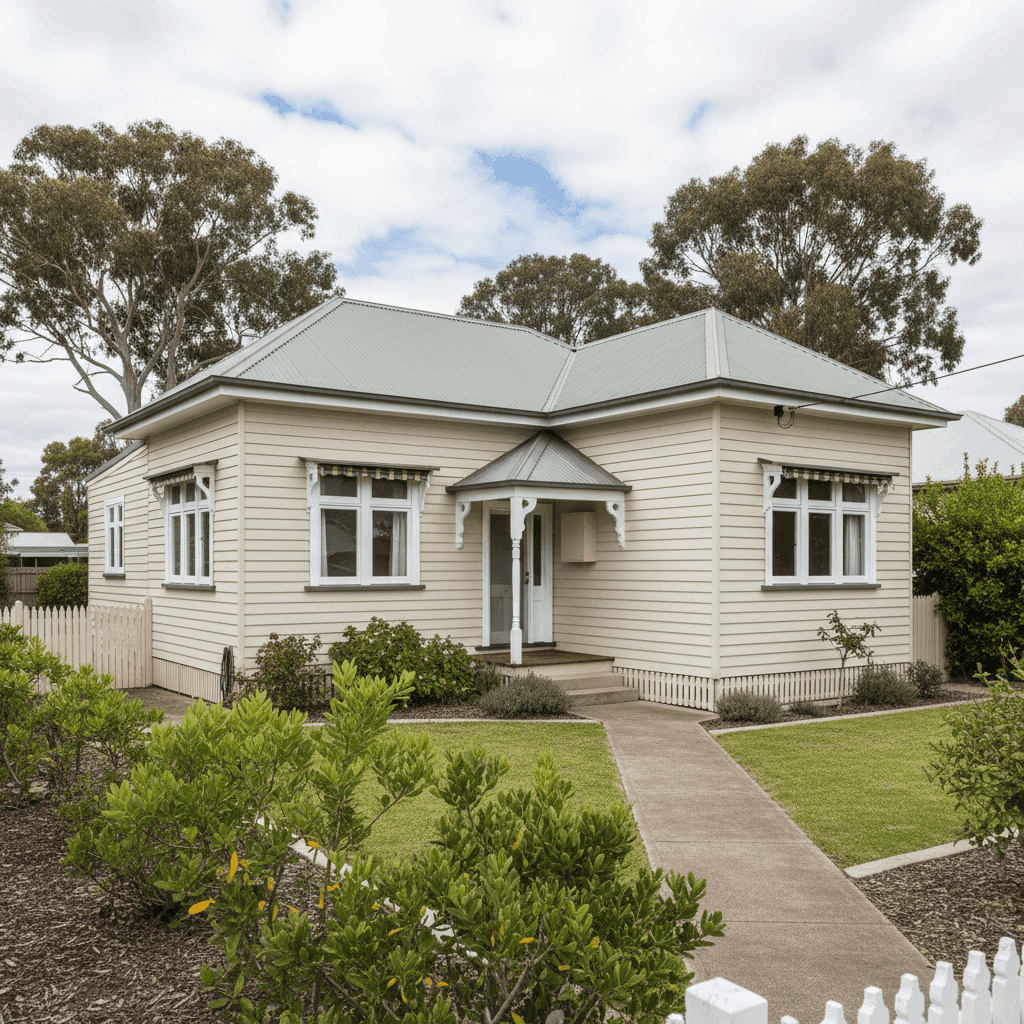
Sale is a regional hub in Victoria's Gippsland region, and like many rural and semi-rural towns, it presents a distinct risk profile for home insurers. This article breaks down a real home and contents insurance quote for a two-bedroom, free-standing weatherboard home in Sale (postcode 3850), examining whether the premium is competitive and what factors are likely driving the cost.
---
Is This Quote Fair?
The quote in question comes in at $2,234 per year (or $219 per month) for combined home and contents cover, with a building sum insured of $603,000 and contents valued at $10,000. Both the building and contents excess are set at $2,000.
CoverClub's pricing analysis rates this quote as Fair — Around Average, and the data backs that up. At $2,234, the premium sits comfortably between the suburb's 25th percentile ($1,567/yr) and 75th percentile ($3,115/yr), landing close to — but slightly below — the Sale suburb average of $2,349 per year.
Compared to the suburb median of $2,091/yr, this quote is modestly above the midpoint, which is expected given the relatively high building sum insured of $603,000. For a 130 sqm home built in 1970, that rebuild cost estimate is on the higher end, reflecting the rising cost of labour and materials in regional Victoria.
In short, this is a reasonable quote — not a bargain, but not overpriced either. There is room to potentially do better, but the premium is broadly in line with what Sale homeowners are paying.
---
How Sale Compares to the Rest of Victoria and Australia
Understanding how Sale stacks up against broader benchmarks puts this quote in useful context.
| Benchmark | Average Premium |
|---|---|
| Sale (suburb average) | $2,349/yr |
| Sale (suburb median) | $2,091/yr |
| Wellington LGA average | $2,836/yr |
| Victoria average | $2,921/yr |
| Victoria median | $2,694/yr |
| National average | $2,965/yr |
| National median | $2,716/yr |
Based on 105 quotes collected for the Sale area, the suburb average of $2,349/yr is notably lower than both the Victorian average ($2,921/yr) and the national average ($2,965/yr). That's a meaningful difference — Sale homeowners are, on average, paying around $570 less per year than the typical Victorian policyholder.
This is somewhat surprising given that regional properties can carry elevated risks (such as bushfire exposure and distance from emergency services), but it likely reflects Sale's relatively low flood and storm risk compared to other parts of Gippsland, as well as the prevalence of modest, older homes that attract lower premiums.
You can explore Victoria-wide insurance data or national benchmarks to see how your own situation compares.
---
Property Features That Affect Your Premium
Several characteristics of this particular property will be influencing the quoted premium — some favourably, others less so.
Weatherboard Timber Construction
Weatherboard homes are among the most common dwelling types in regional Victoria, but they come with a catch: timber is more susceptible to fire and decay than brick or steel-framed alternatives. Insurers typically apply a loading to weatherboard properties, particularly in areas with any bushfire exposure. That said, Sale itself is not classified as a cyclone risk area, which removes one potential surcharge.
Steel / Colorbond Roof
A Colorbond roof is generally viewed positively by insurers. It's durable, low-maintenance, and performs well in wind and hail events. Compared to terracotta tiles or older corrugated iron, a steel roof is considered a lower risk and may contribute to a more competitive premium.
Stump Foundation
Homes on stumps — common in older Victorian regional properties — can be a mixed bag for insurers. On the positive side, stumped homes are less prone to certain types of subsidence damage. However, they can be more vulnerable to underfloor moisture issues and, in some cases, pest damage. Insurers may factor this in, though it's rarely a major driver of premium cost.
1970s Construction
Homes built in the early 1970s are now over 50 years old. While many have been well-maintained, older homes can carry higher rebuild costs due to the need to bring electrical, plumbing, and structural elements up to current building codes. This is likely a contributing factor to the $603,000 sum insured.
Timber / Laminate Flooring
Timber and laminate floors can be costly to replace following water damage or fire, and insurers price this into their assessments. It's worth ensuring your contents and building cover adequately accounts for flooring replacement.
No Pool, Solar Panels, or Ducted Climate Control
The absence of a pool, solar panels, and ducted air conditioning simplifies the risk profile and keeps the premium lower than it might otherwise be. Each of these features can add meaningful cost to a policy.
---
Tips for Homeowners in Sale
If you own a home in Sale or the broader Wellington LGA, here are some practical steps to ensure you're getting the right cover at a fair price.
1. Review Your Building Sum Insured Annually
Rebuild costs in regional Victoria have risen sharply in recent years due to labour shortages and material price increases. Make sure your sum insured reflects the current cost to rebuild — not the market value of your home. Underinsurance is a serious risk, particularly for older weatherboard homes where trades and materials can be expensive.
2. Consider Raising Your Excess to Lower Your Premium
This quote carries a $2,000 excess on both building and contents. If you have the financial capacity to absorb a higher out-of-pocket cost in a claim, increasing your excess further could reduce your annual premium meaningfully. Just make sure the excess is genuinely affordable if you ever need to claim.
3. Check for Bushfire Zone Ratings
While Sale township is generally lower risk, parts of the Wellington LGA can have elevated bushfire exposure. Check whether your property has a Bushfire Attack Level (BAL) rating, as this can affect both your premium and your insurer's obligations. Some policies exclude or limit cover for properties in high BAL zones.
4. Don't Overlook Contents Cover
With only $10,000 in contents cover on this policy, it's worth asking whether that figure truly reflects the value of your belongings. A quick home inventory — furniture, appliances, clothing, electronics — often reveals that most households are underinsured on contents. Increasing your contents sum insured is usually relatively inexpensive.
---
Compare Home Insurance Quotes in Sale
Whether you're renewing your current policy or shopping for the first time, comparing quotes is the single most effective way to ensure you're not overpaying. CoverClub makes it easy to see what Sale homeowners are paying and find a policy that suits your property and budget.
Get a home insurance quote today and see how your premium stacks up against the latest Sale suburb data.