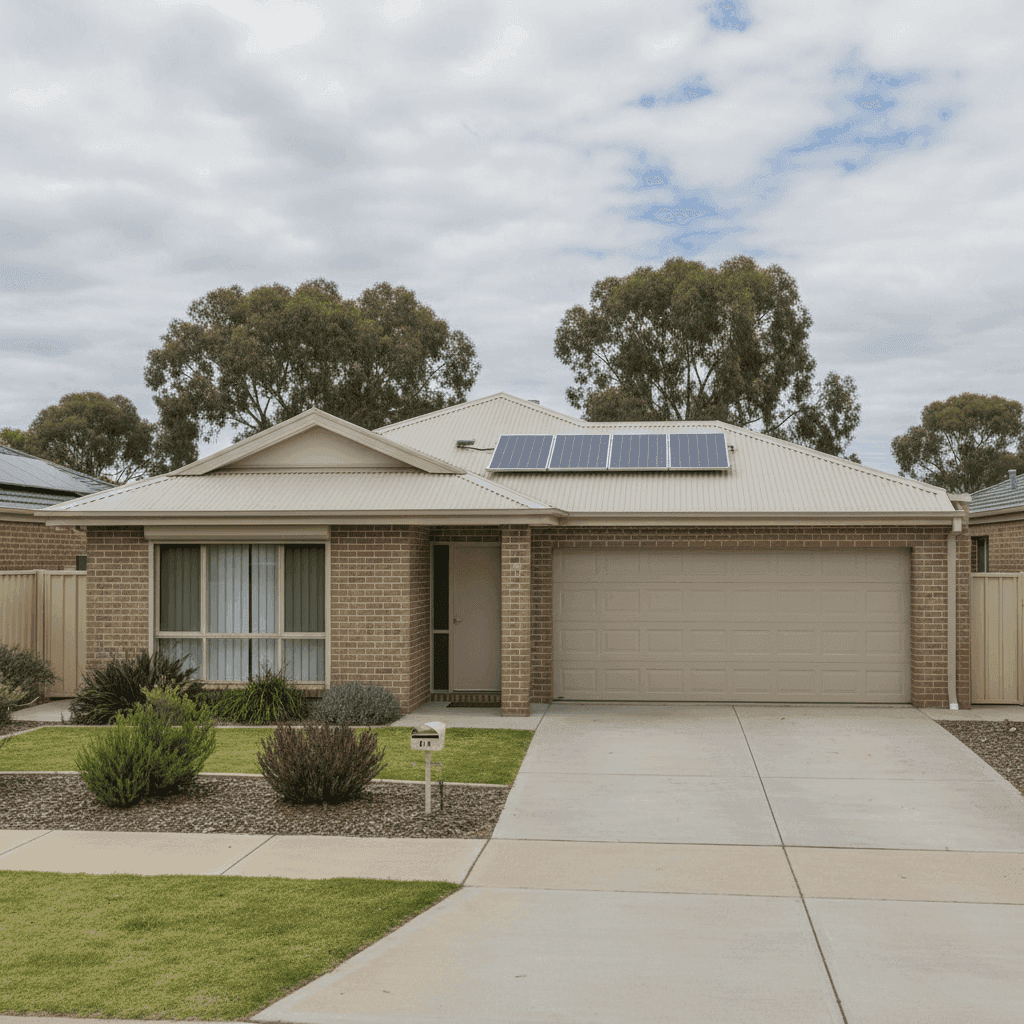
If you own a free standing home in Salisbury North, SA 5108, you're likely paying close attention to the cost of home insurance — especially as premiums continue to shift across Australia. This article breaks down a real building insurance quote for a three-bedroom, two-bathroom brick veneer home in the suburb, comparing it against local, state, and national benchmarks to help you understand whether you're getting a fair deal.
---
Is This Quote Fair?
The quote in question comes in at $1,093 per year (or about $107 per month) for building-only cover, with a building excess of $2,000 and a sum insured of $344,000.
Our pricing analysis rates this quote as FAIR — around average. That's a reasonable outcome for a homeowner in this part of Adelaide's northern suburbs. The premium sits just below the suburb average of $1,109/yr and comfortably under the suburb median of $1,142/yr, meaning this homeowner is paying slightly less than what most of their neighbours are quoted for comparable cover.
It's worth noting the spread of premiums in the area: the cheapest quartile of quotes comes in at or below $872/yr, while the most expensive quartile reaches $1,378/yr or more. That's a significant range of over $500 between the 25th and 75th percentiles — a reminder that insurer pricing can vary considerably even for similar properties in the same postcode. Shopping around clearly pays off.
---
How Salisbury North Compares
One of the more striking aspects of this quote is just how favourably Salisbury North stacks up against broader benchmarks.
| Benchmark | Average Premium |
|---|---|
| Salisbury North (suburb avg) | $1,109/yr |
| City of Salisbury LGA avg | $1,533/yr |
| South Australia state avg | $1,933/yr |
| National average | $2,965/yr |
The suburb average of $1,109/yr is 43% below the SA state average of $1,933/yr, and a remarkable 63% below the national average of $2,965/yr. Even compared to the broader City of Salisbury LGA average of $1,533/yr, Salisbury North comes out well ahead.
This gap reflects a combination of factors: relatively low natural disaster risk in the area (no cyclone exposure, low flood risk for many streets), stable suburban housing stock, and the absence of the extreme weather premiums that drive up costs in coastal Queensland, northern WA, and parts of regional Australia.
You can explore the full South Australia home insurance statistics or browse national home insurance data to see how your suburb fits into the bigger picture.
---
Property Features That Affect Your Premium
Insurers don't just look at your postcode — they assess the specific characteristics of your home. Here's how this property's features likely influence its premium:
Brick Veneer Walls
Brick veneer is one of the most common wall types in South Australian suburban homes built from the 1980s onwards, and insurers generally view it favourably. It offers solid fire resistance and durability compared to weatherboard or lightweight cladding, which can translate to lower rebuild risk assessments.
Steel / Colorbond Roof
Colorbond roofing is widely used across Adelaide and is well-regarded by insurers for its longevity, resistance to ember attack, and relatively low maintenance. It's a positive factor in premium calculations compared to older tile roofs that may be more susceptible to storm damage or cracking.
Slab Foundation
A concrete slab foundation is standard for homes of this era in South Australia and presents no unusual underwriting concerns. It's a stable, well-understood construction type.
Built in 1997
At around 27–28 years old, this home sits in a sweet spot — modern enough to meet post-1990s building codes (which significantly improved construction standards), but old enough that some components like hot water systems, roofing, and electrical fittings may be approaching the end of their typical lifespan. Keeping these maintained is important for both safety and insurance purposes.
Solar Panels
The presence of solar panels adds a small layer of complexity to building insurance. Panels are typically covered under building insurance as a fixed fixture, but it's worth confirming with your insurer that your sum insured accounts for the replacement cost of the system — particularly if it's a larger or newer installation.
Ducted Climate Control
Ducted air conditioning systems are a significant fixed asset and should be included in your building sum insured. At 139 sqm of building area, a ducted system adds meaningful replacement value, so ensuring your $344,000 sum insured adequately covers the full rebuild cost — including this system — is worth reviewing periodically.
No Pool
The absence of a swimming pool removes one common source of liability and maintenance-related claims, which keeps the risk profile straightforward.
---
Tips for Homeowners in Salisbury North
1. Review Your Sum Insured Annually
Building costs have risen sharply across Australia in recent years due to labour shortages and material price increases. A sum insured of $344,000 for a 139 sqm home is worth checking against current construction cost estimates — many insurers and industry bodies offer free online calculators. Being underinsured at claim time can be a costly mistake.
2. Compare Quotes — Even If You're Happy With Your Current Insurer
This quote sits just below the suburb average, which is a good sign. But with premiums ranging from $872 to $1,378/yr within the same suburb, there's a real chance a comparable policy could be found for less. Get a building insurance quote through CoverClub to see how multiple insurers price your specific property.
3. Check Your Solar Panel Coverage
If your solar system has been upgraded or expanded since you first took out your policy, make sure your insurer is aware. Undisclosed additions could affect a claim. Ask specifically whether panels are covered for accidental damage, storm damage, and electrical faults.
4. Consider Your Excess Strategy
This policy carries a $2,000 building excess. Choosing a higher excess is a common way to reduce your annual premium — but make sure the excess is an amount you could genuinely afford to pay in the event of a claim. For many homeowners, a $2,000 excess strikes a reasonable balance.
---
Compare Your Home Insurance Today
Whether you're renewing your policy or shopping around for the first time, understanding how your premium compares to your neighbours is a powerful starting point. Salisbury North is an affordable suburb for home insurance by any measure — but that doesn't mean every quote on the market is equally competitive.
Visit CoverClub to compare building insurance quotes for your Salisbury North property and make sure you're getting the right cover at the right price. You can also explore detailed suburb-level insurance statistics for Salisbury North to benchmark any quote you receive.