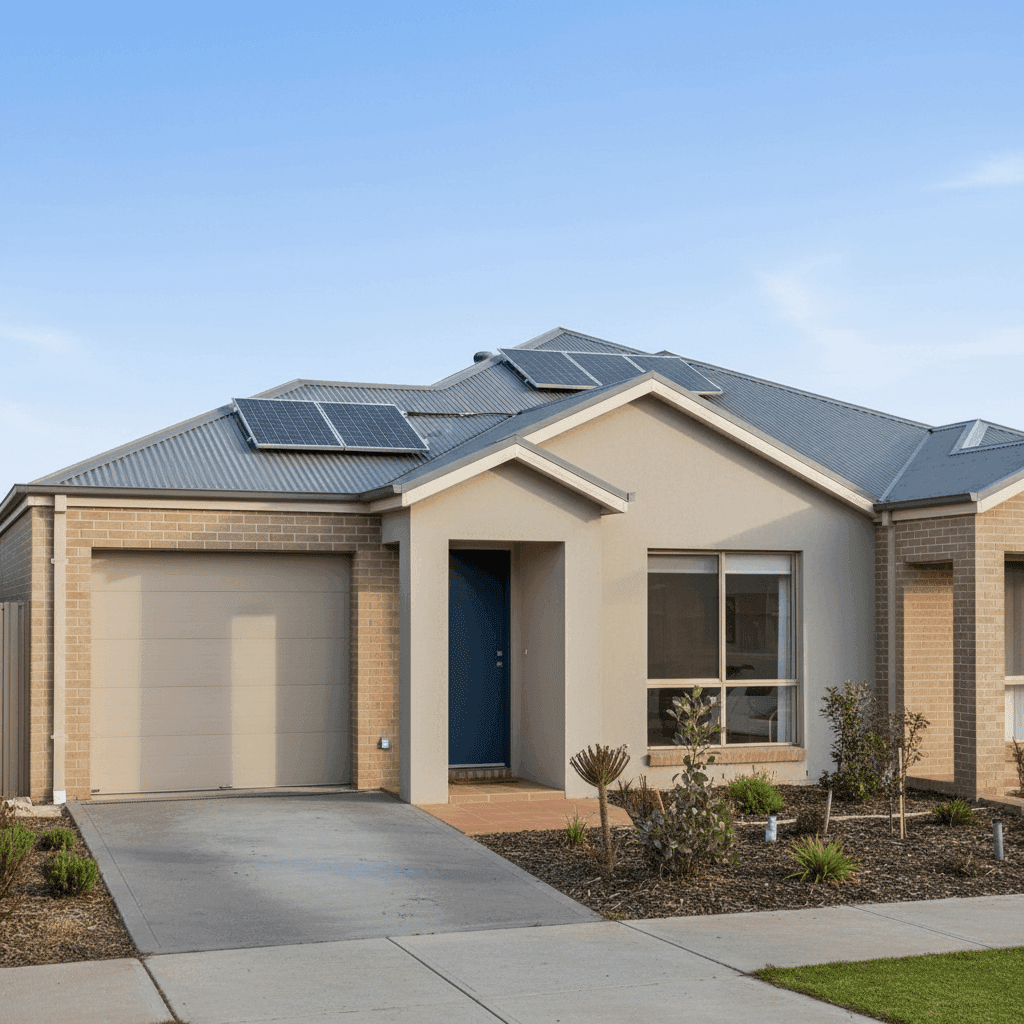
If you own a semi detached home in Salisbury Park, SA 5109, you might be wondering whether you're paying a fair price for home and contents insurance — or leaving money on the table. This article breaks down a real insurance quote for a 3-bedroom, 1-bathroom semi detached property in the suburb, compares it against local, state, and national benchmarks, and offers practical tips to help you get the best value on your cover.
---
Is This Quote Fair?
The annual premium on this quote comes in at $839 per year (or roughly $78 per month), covering both building (sum insured: $500,000) and contents ($60,000). Our price rating for this quote is CHEAP — below average for the area.
To put that in perspective: the suburb average for Salisbury Park sits at $2,001 per year, and the median is $1,709 per year. This quote is less than half the suburb median — a genuinely strong result. Even when measured against the suburb's 25th percentile (the cheapest quarter of quotes), which sits at $1,196 per year, this premium still comes in well below that threshold.
So yes, by any reasonable measure, this is an exceptionally competitive quote. Whether you're a first-time buyer or a long-term homeowner reviewing your renewal, this kind of pricing is worth paying attention to.
---
How Salisbury Park Compares
Understanding where your suburb sits in the broader insurance landscape can help you gauge whether your premium is genuinely good value — or just average for a low-cost area.
| Benchmark | Average Premium | Median Premium |
|---|---|---|
| Salisbury Park (SA 5109) | $2,001/yr | $1,709/yr |
| Tea Tree Gully LGA | $1,650/yr | — |
| South Australia | $1,933/yr | $1,787/yr |
| National | $2,965/yr | $2,716/yr |
A few things stand out here. First, Salisbury Park's average premium of $2,001 is slightly above the South Australian state average of $1,933, which suggests the suburb carries a modest risk premium compared to the broader state. Second, both the suburb and state averages are significantly below the national average of $2,965 — meaning South Australian homeowners generally enjoy lower insurance costs than their counterparts in Queensland, NSW, or Western Australia, where storm, flood, and cyclone risks push premiums higher.
Within the Tea Tree Gully LGA, the average sits at $1,650 per year — lower than the Salisbury Park suburb average, which hints that some pockets within the LGA may carry slightly higher risk profiles than others.
You can explore the full breakdown of local pricing data on the Salisbury Park suburb stats page, which draws on a sample of 24 quotes for this postcode.
---
Property Features That Affect Your Premium
Insurance pricing isn't arbitrary — it's driven by the specific characteristics of your home. Here's how the features of this property likely influence the premium:
Double Brick Construction
Double brick external walls are considered one of the most resilient building materials in Australia. They offer excellent resistance to fire, wind, and general wear, which typically translates to lower premiums compared to timber-framed or clad properties. Insurers view double brick favourably, and it's likely a contributing factor to the competitive quote here.
Steel / Colorbond Roof
Colorbond steel roofing is another risk-positive feature. It's durable, non-combustible, and performs well in both heat and moderate wind events. Unlike older terracotta or concrete tiles, Colorbond doesn't crack or become brittle over time, reducing the likelihood of weather-related claims.
Slab Foundation
A concrete slab foundation is standard across much of suburban Adelaide and is generally considered low-risk from an insurance perspective. It doesn't carry the same subsidence concerns as some pier-and-beam or older footing systems, particularly in areas with reactive clay soils.
1978 Construction Year
At over 45 years old, this property is not a new build — and age can sometimes push premiums up due to the higher likelihood of needing to replace or repair ageing systems (plumbing, electrical, roofing). However, the double brick construction and Colorbond roof suggest the property has likely been well-maintained or upgraded over the years.
Solar Panels
Solar panels add modest replacement value to a property and are typically covered under building insurance. Their presence can slightly increase the sum insured required, but the impact on premiums is usually marginal. It's worth confirming with your insurer that panels are explicitly included in your policy wording.
Ducted Climate Control
Ducted air conditioning systems are a significant fixed asset and are generally covered under building insurance as part of the structure. As with solar panels, ensuring your sum insured adequately accounts for replacement cost — including labour — is important.
No Pool, No Cyclone Risk
The absence of a swimming pool removes a common liability and maintenance risk factor. And being outside a designated cyclone risk zone (unlike parts of Queensland and WA) keeps the risk profile of this property comfortably in the lower-cost bracket.
---
Tips for Homeowners in Salisbury Park
1. Review your sum insured annually With a building sum insured of $500,000 on a 160 sqm semi detached, it's worth checking this figure against current construction costs in Adelaide's northern suburbs. Building costs have risen significantly in recent years — underinsurance is one of the most common and costly mistakes homeowners make.
2. Confirm solar panels and ducted systems are covered Not all policies automatically include solar panels or ducted HVAC systems in their standard building definition. Read your Product Disclosure Statement (PDS) carefully, or ask your insurer directly, to confirm these are included.
3. Don't auto-renew without comparing The fact that this quote came in well below the suburb average is a reminder that premiums vary enormously between insurers for the same property. If you've been with the same insurer for several years, there's a good chance you're paying more than you need to. Shopping around at renewal time is one of the simplest ways to save.
4. Consider your excess carefully This policy carries a $2,000 building excess and a $600 contents excess. A higher excess generally means a lower premium — but make sure you're comfortable covering that amount out of pocket in the event of a claim. For many homeowners, a mid-range excess strikes the right balance between affordability and protection.
---
Compare Your Own Quote
Whether you're insuring a semi detached in Salisbury Park or a freestanding home elsewhere in South Australia, comparing quotes is the fastest way to find out if you're getting a fair deal. Get a home insurance quote at CoverClub and see how your premium stacks up against your suburb's averages — in minutes, with no obligation.