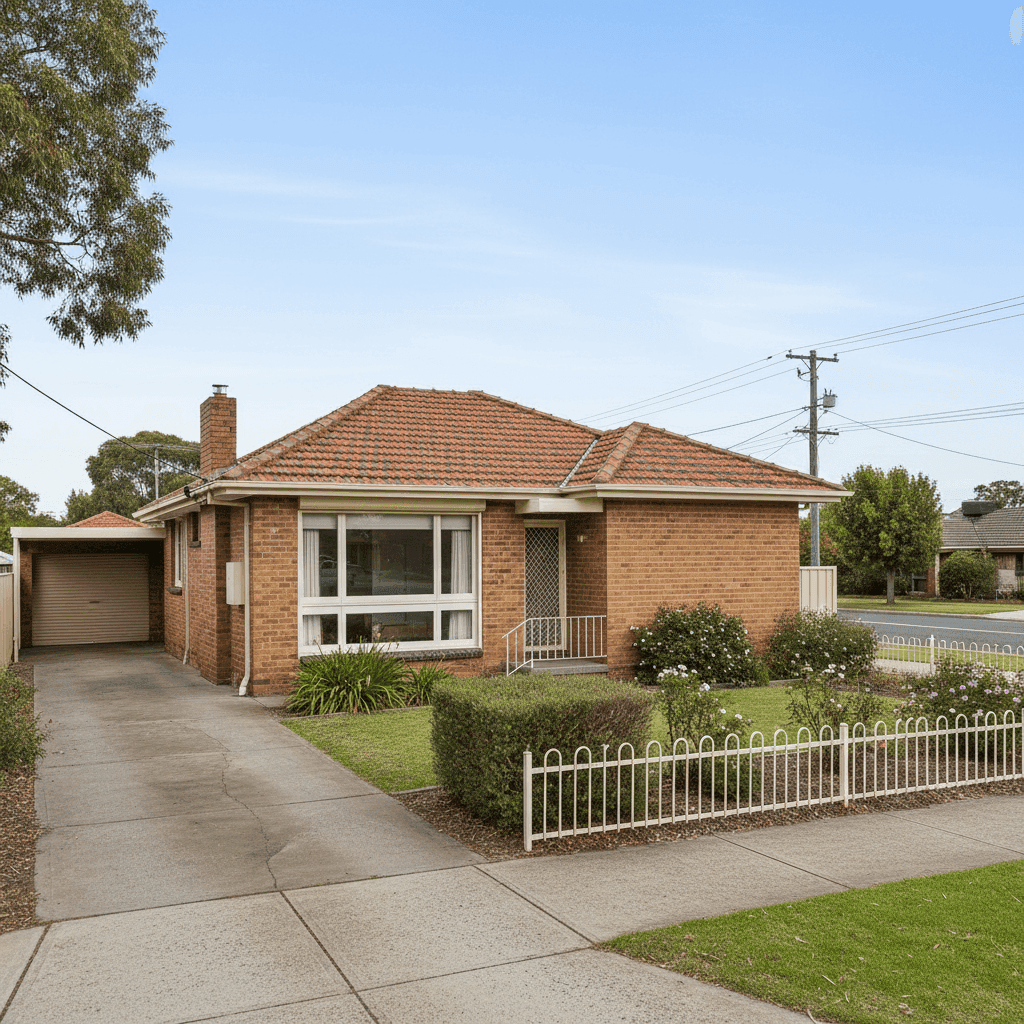
If you own a free standing home in Salisbury, SA 5108, you're probably curious about what a reasonable home insurance premium looks like — and whether the quote sitting in your inbox is worth accepting. This article breaks down a real building-only insurance quote for a two-bedroom, brick veneer home in Salisbury, comparing it against local, state, and national benchmarks to help you make a more informed decision.
---
Is This Quote Fair?
The quote in question comes in at $996 per year (or roughly $95 per month) for building-only cover, with a building sum insured of $288,000 and a building excess of $5,000. Our price rating for this quote is FAIR — Around Average.
That "fair" rating reflects a nuanced picture. The premium sits comfortably below the suburb average of $1,724/yr and even below the suburb median of $1,382/yr. In fact, it's only marginally above the 25th percentile for Salisbury ($942/yr), meaning roughly three-quarters of comparable quotes in this postcode come in higher. That's a reasonably competitive result.
That said, "fair" doesn't necessarily mean "the best available." There's still a meaningful gap between this quote and the cheapest end of the market, so it's worth shopping around before committing — especially given the relatively high $5,000 building excess, which would represent a significant out-of-pocket cost in the event of a claim.
---
How Salisbury Compares
To put this quote in proper context, it helps to zoom out and look at the broader pricing landscape.
| Benchmark | Premium |
|---|---|
| This quote | $996/yr |
| Salisbury suburb average | $1,724/yr |
| Salisbury suburb median | $1,382/yr |
| Salisbury 25th percentile | $942/yr |
| Salisbury 75th percentile | $2,090/yr |
| LGA (Salisbury Council) average | $1,450/yr |
| SA state average | $2,433/yr |
| SA state median | $1,679/yr |
| National average | $5,347/yr |
| National median | $2,764/yr |
A few things stand out here. First, Salisbury sits well below both the South Australian state average and the national average — a reflection of the suburb's relatively low natural hazard risk profile compared to coastal, flood-prone, or cyclone-affected areas of Australia. Second, the national average of $5,347/yr is a stark reminder of just how expensive home insurance has become in parts of the country, particularly in Queensland and northern Western Australia where cyclone and flood risk drive premiums skyward.
For Salisbury homeowners, this broader context is reassuring. The suburb's pricing environment is comparatively stable, and a well-priced quote here is genuinely achievable without sacrificing meaningful cover.
Based on 46 quotes sampled in the 5108 postcode, there's a reasonably wide spread between the cheapest and most expensive options — from $942/yr at the 25th percentile to $2,090/yr at the 75th percentile. That $1,148 range underscores just how much insurers can vary in their pricing for essentially the same property, which is exactly why comparing quotes matters.
---
Property Features That Affect Your Premium
Every insurer prices risk differently, but certain property characteristics consistently influence what you'll pay. Here's how the features of this particular home come into play:
Brick veneer construction is generally viewed favourably by insurers. It offers solid fire resistance and structural durability, which can contribute to lower premiums compared to timber-framed or clad homes. Paired with a tiled roof, this property presents a relatively low-risk profile from a materials standpoint — tiles are durable, fire-resistant, and widely understood by underwriters.
Slab foundation is standard for South Australian homes of this era and doesn't typically attract a loading. However, homes built in 1975 are worth monitoring for age-related wear, particularly around plumbing, electrical systems, and roof integrity. Insurers may factor in the age of a property when assessing risk, so keeping up with maintenance is important both for safety and for ensuring claims aren't disputed on grounds of poor upkeep.
At 105 sqm, this is a compact home, which generally works in the owner's favour — smaller floor areas typically mean lower rebuilding costs, which in turn influences the sum insured and, by extension, the premium.
The presence of ducted climate control is worth noting. While it adds value to the property and is covered under building insurance, it also represents a system that can be costly to repair or replace. Ensuring the sum insured adequately accounts for this (and other fixed inclusions) is essential to avoid being underinsured.
The absence of a pool, solar panels, or cyclone risk designation keeps things straightforward here — each of those factors can add complexity and cost to a policy.
---
Tips for Homeowners in Salisbury
1. Review your sum insured regularly The $288,000 building sum insured on this quote should reflect the full cost to rebuild your home from the ground up — not its market value. With construction costs rising across South Australia, it's worth getting a building cost estimate every year or two to make sure you're not underinsured. Some insurers offer free online calculators to help with this.
2. Consider the impact of your excess A $5,000 building excess is on the higher end of the scale. While a higher excess typically reduces your premium, it means you'd need to cover that amount yourself before your insurer contributes to a claim. Think about whether that's a financial risk you're comfortable carrying, particularly for mid-range claims like storm damage or burst pipes.
3. Shop around at renewal time Loyalty doesn't always pay in the insurance world. Insurers often reserve their best pricing for new customers, meaning your premium can quietly creep up year after year. Set a reminder to compare quotes before your renewal date — even if you're happy with your current insurer, a competing quote gives you leverage to negotiate.
4. Don't overlook maintenance For a home built in the mid-1970s, proactive maintenance is your best defence against both damage and claim disputes. Keep gutters clear, check your roof after storms, and ensure your plumbing and electrical systems are in good working order. Many policies exclude damage that results from gradual wear and tear or lack of maintenance.
---
Compare Your Options with CoverClub
Whether you're reviewing an existing policy or shopping for the first time, comparing quotes is the single most effective way to ensure you're getting fair value. CoverClub makes it easy to see how your premium stacks up against others in your suburb and across South Australia. Get a quote today and find out if you could be paying less — without compromising on the cover that matters most.