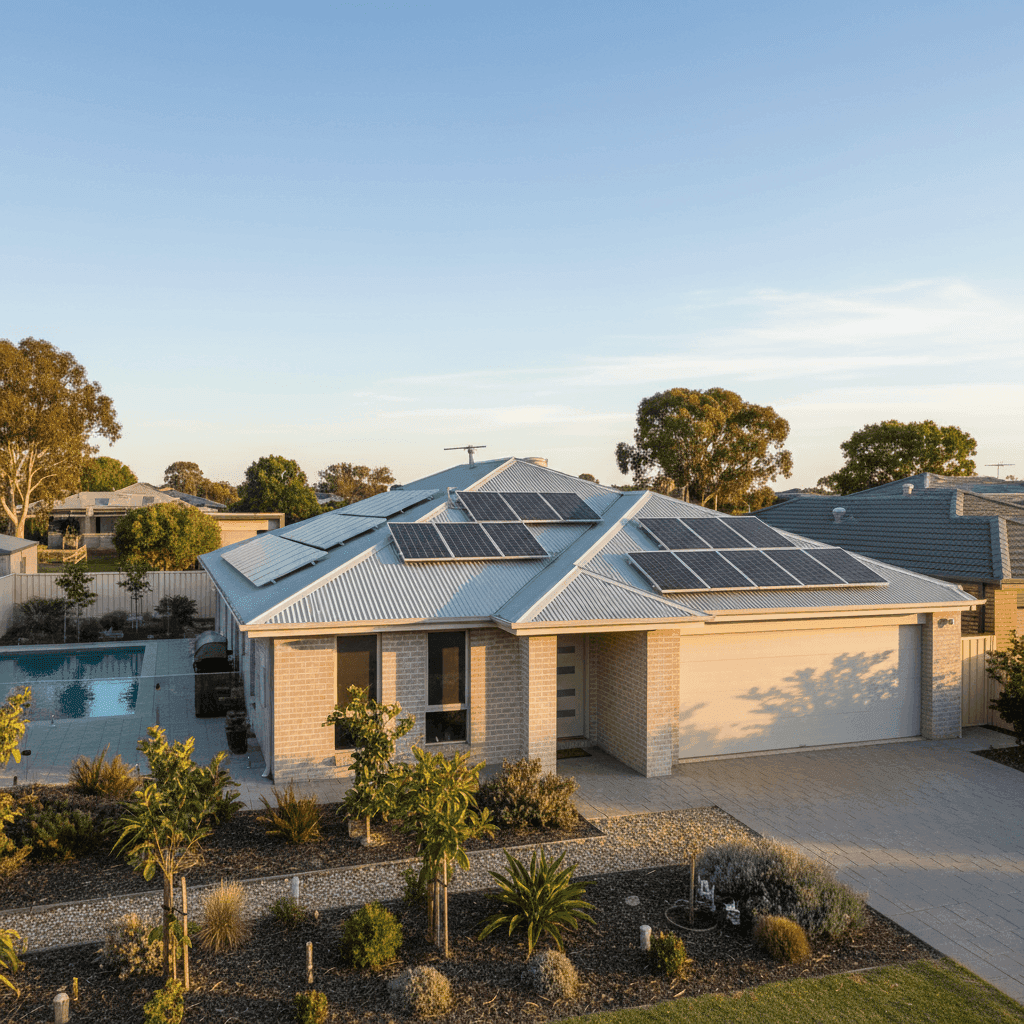
San Remo is a quiet coastal suburb sitting within the City of Mandurah, about 75 kilometres south of Perth. It's a popular spot for families and retirees alike, with its relaxed lifestyle and proximity to the Peel Inlet making it an attractive place to call home. But owning property here — like anywhere in Australia — comes with the responsibility of protecting your investment with adequate home insurance.
This article breaks down a real home and contents insurance quote for a four-bedroom, two-bathroom free-standing home in San Remo (postcode 6210), compares it against local, state and national benchmarks, and offers practical advice for homeowners looking to get the best value from their policy.
---
Is This Quote Fair?
The annual premium for this property came in at $2,973 per year (or $285 per month), covering a building sum insured of $900,000 and contents valued at $90,000. Both the building and contents excess are set at $2,000.
CoverClub's pricing engine has rated this quote as Fair — Around Average, and the data backs that up. The suburb average for San Remo sits at $2,775 per year, meaning this quote is approximately 7% above the local average — not dramatically so, but worth noting. At the same time, it falls well within the middle of the market: the 75th percentile for the suburb is $3,468 per year, so this premium is comfortably below what the more expensive quotes in the area look like.
In short, you're not getting a bargain, but you're also not being overcharged. For a property of this size and specification — 214 sqm, with a pool, solar panels, and ducted climate control — a premium in this range is broadly reasonable.
---
How San Remo Compares
Understanding how your premium sits relative to broader market data is one of the most useful things you can do as a homeowner. Here's how San Remo stacks up:
| Benchmark | Annual Premium |
|---|---|
| This Quote | $2,973 |
| San Remo suburb average | $2,775 |
| San Remo suburb median | $2,781 |
| San Remo 25th percentile | $1,158 |
| San Remo 75th percentile | $3,468 |
| WA state average | $2,811 |
| WA state median | $2,127 |
| National average | $5,347 |
| National median | $2,764 |
| Mandurah LGA average | $1,732 |
A few things stand out here. First, the Mandurah LGA average of $1,732 is notably lower than both the San Remo suburb average and this specific quote. That gap likely reflects the diversity of property types, sizes and sum-insured levels across the broader LGA — smaller or older homes with lower rebuild values will pull that average down.
Second, the national average of $5,347 is a striking figure. Much of that is driven by high-risk regions in Queensland and Northern Australia, where cyclone, flood and storm exposure pushes premiums significantly higher. San Remo is not classified as a cyclone risk area, which is a meaningful advantage for local homeowners.
Finally, the WA state median of $2,127 is considerably lower than the state average of $2,811, suggesting a skewed distribution — a relatively small number of high-premium properties are pulling the average up. This quote, at $2,973, sits above both the median and average for WA, which is partly explained by the property's size, features and high building sum insured.
Explore more local data on the San Remo insurance stats page, or take a broader look at insurance costs across Western Australia. You can also compare against national home insurance benchmarks to get a full picture.
---
Property Features That Affect Your Premium
Several characteristics of this property have a direct influence on the premium quoted. Understanding them helps you see why your policy is priced the way it is — and where there might be room to adjust.
Double Brick Construction Double brick is one of the most durable and fire-resistant wall materials available, and insurers generally view it favourably. It's also a construction method that's stood the test of time in Western Australia. That said, double brick homes can be more expensive to rebuild, which partly explains the $900,000 building sum insured.
Colorbond Steel Roof Steel roofing is resilient, low-maintenance and performs well in Australian conditions. It's generally considered a lower-risk roofing material compared to older options like terracotta tile or asbestos sheeting, and insurers tend to price it accordingly.
Construction Year: 1970 At over 50 years old, this home is approaching a point where insurers may factor in the age of plumbing, electrical systems and structural components. Older homes can carry slightly higher risk profiles, particularly if they haven't been updated. It's worth ensuring your policy accurately reflects any renovations or upgrades that have been completed.
Swimming Pool Pools add value to a property but also introduce liability considerations and additional rebuild costs. They're a common feature in Mandurah-area homes and will typically add a modest amount to your premium.
Solar Panels Solar systems are now a standard inclusion on many Australian homes, but they do represent a significant asset that needs to be covered. Make sure your building sum insured accounts for the replacement cost of your panels — they can be expensive to replace if damaged by storm or hail.
Ducted Climate Control Ducted air conditioning is a fixed installation that forms part of the building sum insured. It's a meaningful addition to the rebuild cost and is appropriately captured in the $900,000 figure here.
Slab Foundation with Carpet Flooring Slab-on-ground construction is standard for homes of this era in WA. Combined with carpet flooring, it presents a fairly typical risk profile — though it's worth noting that carpet can be more susceptible to water damage than hard flooring alternatives.
---
Tips for Homeowners in San Remo
1. Review your building sum insured regularly With construction costs rising across Australia, the cost to rebuild a 214 sqm double brick home has increased substantially in recent years. Make sure your $900,000 sum insured reflects current labour and materials costs — not what it would have cost to rebuild five years ago. Underinsurance is one of the most common and costly mistakes homeowners make.
2. Consider your excess carefully Both the building and contents excess on this policy are set at $2,000. A higher excess generally reduces your premium, but it also means more out-of-pocket costs if you need to make a claim. Think about what you could comfortably afford to pay in the event of a loss, and set your excess accordingly.
3. Don't overlook your contents valuation $90,000 in contents cover sounds substantial, but it can go quickly when you start adding up furniture, appliances, electronics, clothing, jewellery and outdoor equipment. Take the time to do a proper home inventory — many people find they're underinsured on contents when they actually sit down and calculate the replacement value of their belongings.
4. Shop around at renewal time Loyalty doesn't always pay in the insurance industry. Insurers often offer their best rates to new customers, meaning long-standing policyholders can end up paying more than they need to. Use CoverClub to compare quotes from multiple insurers before your renewal date — even a small saving each year adds up significantly over time.
---
Ready to Compare?
Whether you're reviewing an existing policy or buying insurance for the first time, comparing quotes is the single most effective way to ensure you're getting fair value. Get a home insurance quote through CoverClub and see how your premium stacks up against the market in just a few minutes.