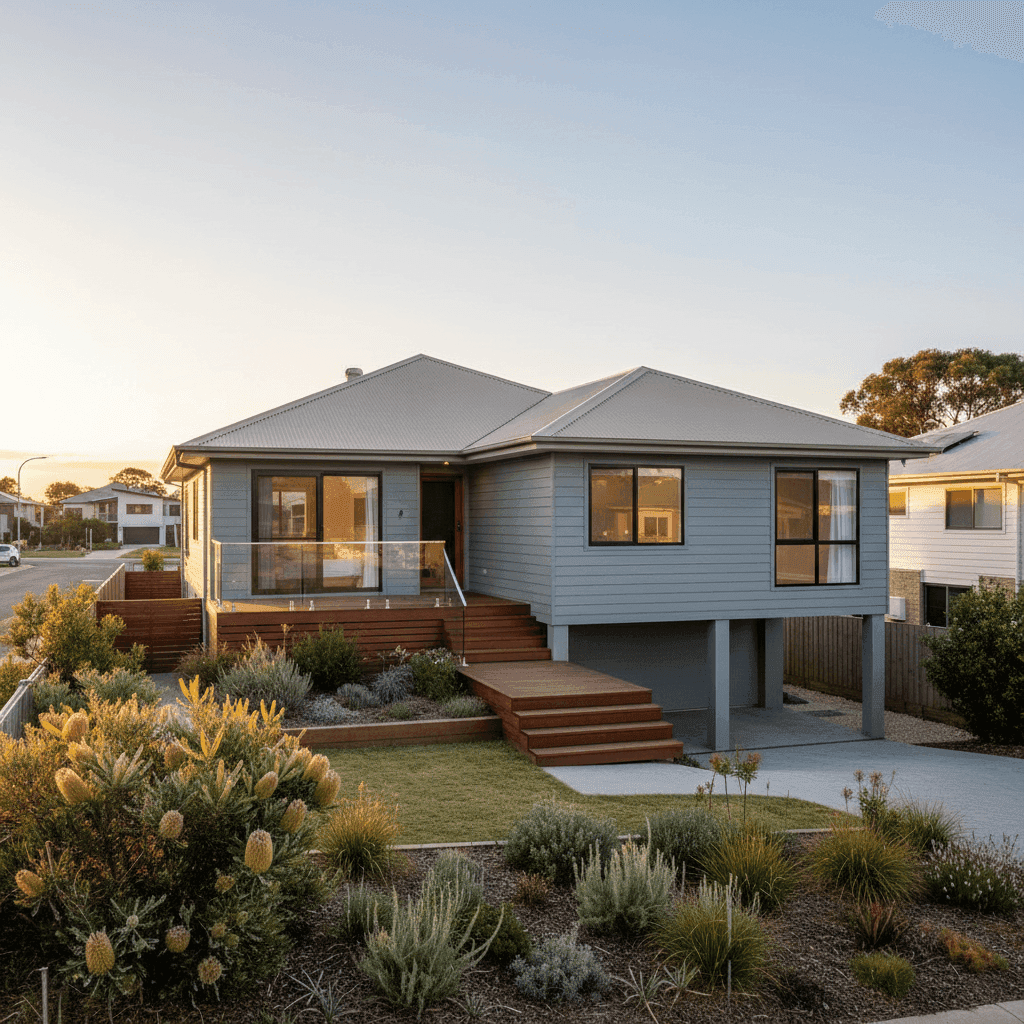
Sanctuary Point is a relaxed coastal suburb nestled on the southern shores of St Georges Basin, about two hours south of Sydney on the NSW South Coast. It's a popular spot for families and sea-changers alike — and like any Australian suburb, the cost of protecting your home here is shaped by a unique mix of local risk factors, property characteristics, and the broader insurance market. This article takes a close look at a recent quote for a three-bedroom, two-bathroom free standing home in Sanctuary Point, breaking down whether the price stacks up and what local homeowners should know before renewing or switching their cover.
---
Is This Quote Fair?
The quote in question covers both building and contents — with a building sum insured of $401,000 and contents valued at $99,000 — coming in at $918 per year (or around $93 per month). The building excess sits at $3,000, while the contents excess is $1,000.
Our pricing analysis rates this quote as Fair (Around Average) for the Sanctuary Point area. That means you're not being stung with a particularly high premium, but there's also a reasonable chance you could find a more competitive rate if you took the time to shop around.
To put it in context: the suburb's average premium is $1,181 per year, so this quote comes in $263 below that average — a meaningful saving. However, the suburb median sits at just $639 per year, which tells us that roughly half of quotes in the area are actually cheaper. The spread here is wide, with the 25th percentile at $555 and the 75th percentile at $1,828 — suggesting there's significant variation in what insurers are willing to charge for properties in this postcode.
In short, this quote is reasonable but not the sharpest available. Homeowners with similar properties in Sanctuary Point have secured cover for considerably less, so it's worth exploring your options.
---
How Sanctuary Point Compares
One of the more striking figures in this analysis is just how much cheaper Sanctuary Point is compared to the rest of NSW and the country as a whole.
| Benchmark | Average Premium | Median Premium |
|---|---|---|
| Sanctuary Point (2540) | $1,181/yr | $639/yr |
| NSW State Average | $9,528/yr | $3,770/yr |
| National Average | $5,347/yr | $2,764/yr |
The NSW state average of $9,528 per year is dramatically higher than what Sanctuary Point homeowners typically pay — largely because that state figure is pulled upward by high-value properties in Sydney and flood- or storm-prone regional areas. The NSW state insurance data reflects the enormous diversity of risk across the state.
Similarly, the national average of $5,347 is well above what most Sanctuary Point residents are quoted. This makes the area relatively affordable from an insurance standpoint — good news for homeowners in the postcode.
You can explore the full breakdown of premiums for the Sanctuary Point area, including historical trends and insurer comparisons, on the Sanctuary Point suburb stats page.
It's worth noting that the sample size for this suburb is 14 quotes — a reasonable snapshot, though not a large dataset. As more data flows in, these figures will become even more reliable.
---
Property Features That Affect Your Premium
Every home is different, and insurers weigh up a range of property characteristics when calculating your premium. Here's how the features of this particular property are likely influencing the quote:
Newly built (2024): A brand-new home is generally viewed favourably by insurers. Modern construction must comply with current building codes, which typically means better structural integrity, updated electrical and plumbing systems, and materials that meet contemporary safety standards. This can translate to lower premiums compared with older homes.
Hardiplank/Hardiflex external walls: This fibre cement cladding is a popular choice in coastal areas for good reason — it's resistant to moisture, termites, and rot. Insurers generally consider it a lower-risk material compared to weatherboard, which can be a plus for your premium.
Steel/Colorbond roof: Colorbond roofing is durable, lightweight, and performs well in coastal and storm-prone environments. It's widely regarded as one of the more insurer-friendly roofing materials in Australia.
Stump foundation (elevated less than 1m): Homes on stumps have some elevation, which can offer modest protection against ground-level water ingress. However, the underfloor space does require consideration — it can be a vulnerability in high-wind events and may affect some insurers' assessments.
Timber/laminate flooring and above-average fittings: Higher-quality internal fittings and finishes increase the cost to rebuild or repair, which is reflected in the building sum insured. Above-average fittings can push premiums slightly higher, but they also ensure you're adequately covered if the worst happens.
Ducted climate control: This is a significant fixed asset within the home and contributes to the overall replacement cost — another reason why an accurate building sum insured is so important.
No pool, no solar panels: Both of these features can add complexity and cost to insurance assessments, so their absence keeps things straightforward.
---
Tips for Homeowners in Sanctuary Point
1. Review your building sum insured annually Construction costs have risen sharply across Australia in recent years. A sum insured that was accurate two years ago may no longer reflect the true cost to rebuild your home. Underinsurance is one of the most common — and costly — mistakes homeowners make. Use a building cost calculator or speak with a quantity surveyor to make sure your $401,000 coverage still holds up.
2. Don't ignore the excess trade-off This policy carries a $3,000 building excess, which is on the higher end. A higher excess typically lowers your annual premium, but it also means a larger out-of-pocket cost when you need to make a claim. Think carefully about whether that trade-off suits your financial situation — particularly for smaller claims where the excess might approach or exceed the repair cost.
3. Shop around at renewal time Given the wide spread of premiums in Sanctuary Point (from $555 at the 25th percentile to $1,828 at the 75th), loyalty to a single insurer doesn't always pay off. Insurers frequently reprice risk, and what was competitive last year may not be this year. Comparing at least three quotes before renewing is a smart habit.
4. Consider the coastal context While Sanctuary Point isn't classified as a cyclone risk area, the South Coast does experience significant storms, particularly during La Niña periods. Make sure your policy clearly covers storm damage, including wind-driven rain and storm surge events. Check the Product Disclosure Statement (PDS) carefully for any exclusions related to flooding or coastal inundation.
---
Compare Your Home Insurance with CoverClub
Whether you're a first-time buyer or a long-time Sanctuary Point local, making sure you have the right cover at the right price is one of the most important financial decisions you can make as a homeowner. CoverClub makes it easy to compare home and contents insurance quotes from a range of Australian insurers — all in one place. Get a quote today and see how much you could save.