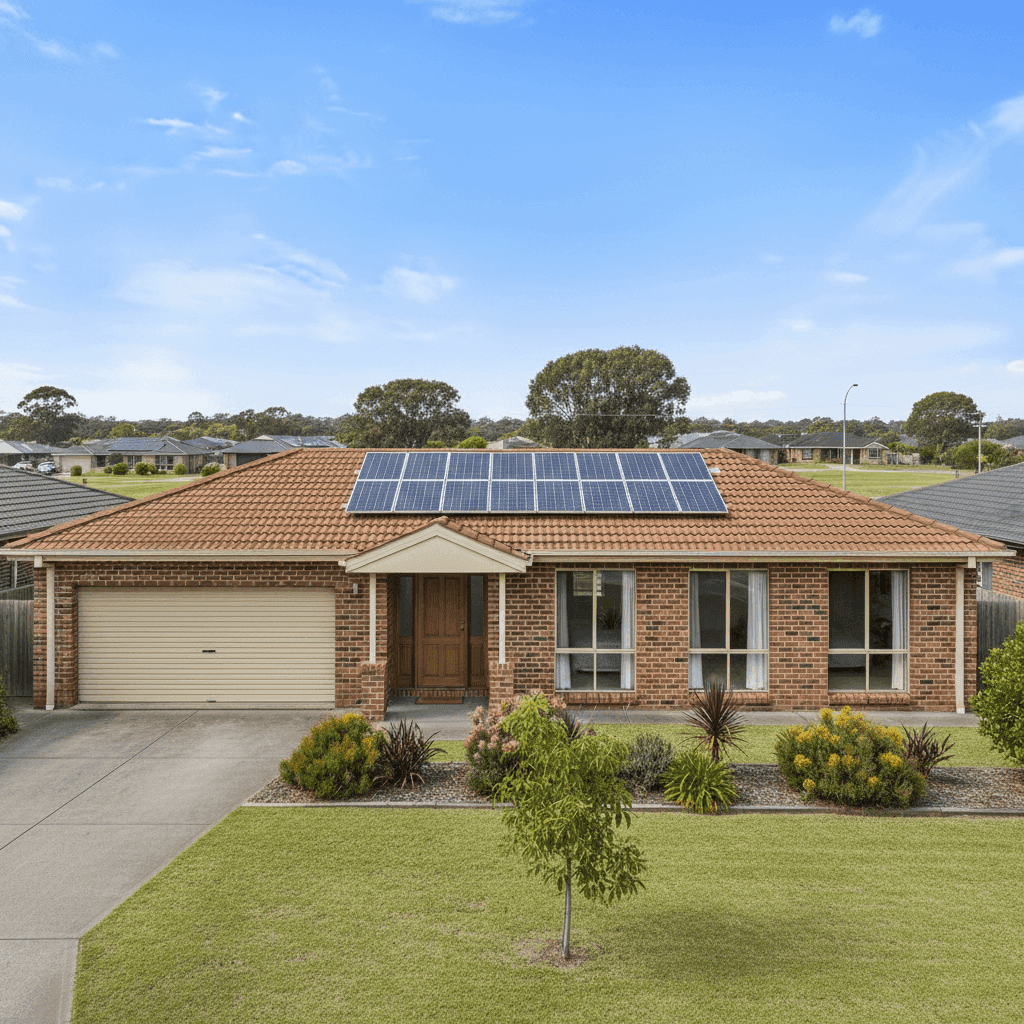
Sanctuary Point is a coastal suburb on the shores of St Georges Basin, about two hours south of Sydney on the NSW South Coast. It's a popular spot for families and sea-changers alike, with a mix of established homes and newer builds. This article takes a close look at a real home and contents insurance quote for a four-bedroom, four-bathroom free standing home in the area — and unpacks whether the price stacks up.
---
Is This Quote Fair?
The annual premium for this property came in at $5,114 per year (or $483 per month), covering a building sum insured of $713,000 and contents valued at $50,000. Both the building and contents excess are set at $1,000.
Our price rating for this quote is Expensive — Above Average. That's not a label we apply lightly. Based on the data available for postcode 2540, this premium sits well above what most comparable properties in Sanctuary Point are paying. The suburb average is $1,181 per year, and the median sits at just $639 per year — meaning this quote is roughly eight times the local median.
That said, context matters. The building sum insured of $713,000 is a significant figure, and the property has some features — like solar panels and ducted climate control — that can push premiums higher. The 1980 construction date also means insurers may apply age-related loading. Even accounting for these factors, the gap between this quote and the local benchmark is substantial, and it's well worth shopping around.
---
How Sanctuary Point Compares
Understanding where a premium sits relative to broader benchmarks helps put the number in perspective. Here's how this quote measures up:
| Benchmark | Average Premium | Median Premium |
|---|---|---|
| Sanctuary Point (2540) | $1,181/yr | $639/yr |
| NSW | $9,528/yr | $3,770/yr |
| National | $5,347/yr | $2,764/yr |
A few things stand out here. First, Sanctuary Point is actually a relatively affordable suburb for home insurance by NSW standards — the state average of $9,528 is nearly ten times the local median. That reflects the significant variability across NSW, where coastal and flood-prone areas can attract very high premiums.
Second, this quote at $5,114 is broadly in line with the national average of $5,347 — so while it's expensive for Sanctuary Point specifically, it's not out of step with what Australians are paying on average across the country. That said, the national median of $2,764 suggests many households are paying considerably less, so there's likely room to negotiate or find a better deal.
You can explore the full data for this postcode at our Sanctuary Point insurance stats page, or browse NSW-wide insurance data and national benchmarks for broader context.
> Note: The suburb sample size for 2540 is 14 quotes, which is a relatively small dataset. Averages can shift as more data comes in, so treat these figures as a useful guide rather than a definitive benchmark.
---
Property Features That Affect Your Premium
Every property is different, and insurers weigh up a range of factors when calculating your premium. Here's how the key features of this home are likely influencing the quote:
Double Brick Construction
Double brick is generally viewed favourably by insurers. It's durable, fire-resistant, and less susceptible to storm damage than timber-framed homes. This should, in theory, work in the homeowner's favour — though it doesn't always translate to a lower premium if other risk factors are present.
Tiled Roof
Tiled roofs are another positive signal for insurers. They're long-lasting and perform well in most weather conditions. Combined with double brick walls, this home has a solid construction profile that many insurers reward with more competitive pricing.
Slab Foundation
A concrete slab foundation is standard for many Australian homes and doesn't typically attract any loading from insurers. It's a neutral factor in most pricing models.
Solar Panels
Solar panels add replacement value to a property and can complicate claims if damaged by storms or hail. Some insurers include them automatically under building cover; others may require them to be specifically listed. It's worth confirming with your insurer that your panels are fully covered under the building sum insured.
Ducted Climate Control
Ducted air conditioning systems are expensive to repair or replace and are generally included in the building sum insured. Their presence can contribute to a higher insured value — and by extension, a higher premium.
Age of Construction (1980)
Homes built in the 1980s are now over 40 years old. While double brick construction ages well, older homes can attract loading for things like ageing electrical wiring, plumbing, and roofing materials. If the home has been renovated or updated since construction, it may be worth noting this when obtaining quotes, as some insurers will factor it in.
Building Size (214 sqm)
At 214 square metres, this is a generously sized home. Rebuild costs scale with size, which is one reason the building sum insured of $713,000 is set where it is. Ensuring your sum insured accurately reflects current rebuild costs — not just market value — is essential.
---
Tips for Homeowners in Sanctuary Point
1. Compare Multiple Quotes Before Renewing
The spread between the cheapest and most expensive quotes in Sanctuary Point is wide. With a 25th percentile of $555 and a 75th percentile of $1,828, there's clearly significant variation in what insurers are charging for similar properties. Never simply roll over your existing policy — take 10 minutes to compare at renewal time.
2. Check That Your Solar Panels Are Properly Covered
Solar panel coverage varies between insurers. Some include panels as part of the building, while others treat them as a separate item. Review your policy wording carefully and ask your insurer directly if you're unsure. Given the cost of replacing a full solar system, this is not a detail to overlook.
3. Review Your Sum Insured Annually
Building costs in Australia have risen sharply in recent years due to labour shortages and material price increases. A sum insured that was accurate two years ago may now be underinsured. Use a building cost calculator or speak with a quantity surveyor if you're unsure whether $713,000 is still the right figure for your property.
4. Consider a Higher Excess to Reduce Your Premium
With both excesses currently set at $1,000, there may be scope to increase them in exchange for a lower annual premium. If you're unlikely to make small claims, a higher excess can be a cost-effective way to reduce what you pay each year — just make sure you can comfortably cover the excess amount if you do need to claim.
---
Ready to Find a Better Deal?
If this quote feels high for your Sanctuary Point property, you're not alone — and the good news is that comparing is easy. At CoverClub, we help Australian homeowners cut through the noise and find home and contents insurance that actually fits their needs. Get a quote today and see how much you could save.