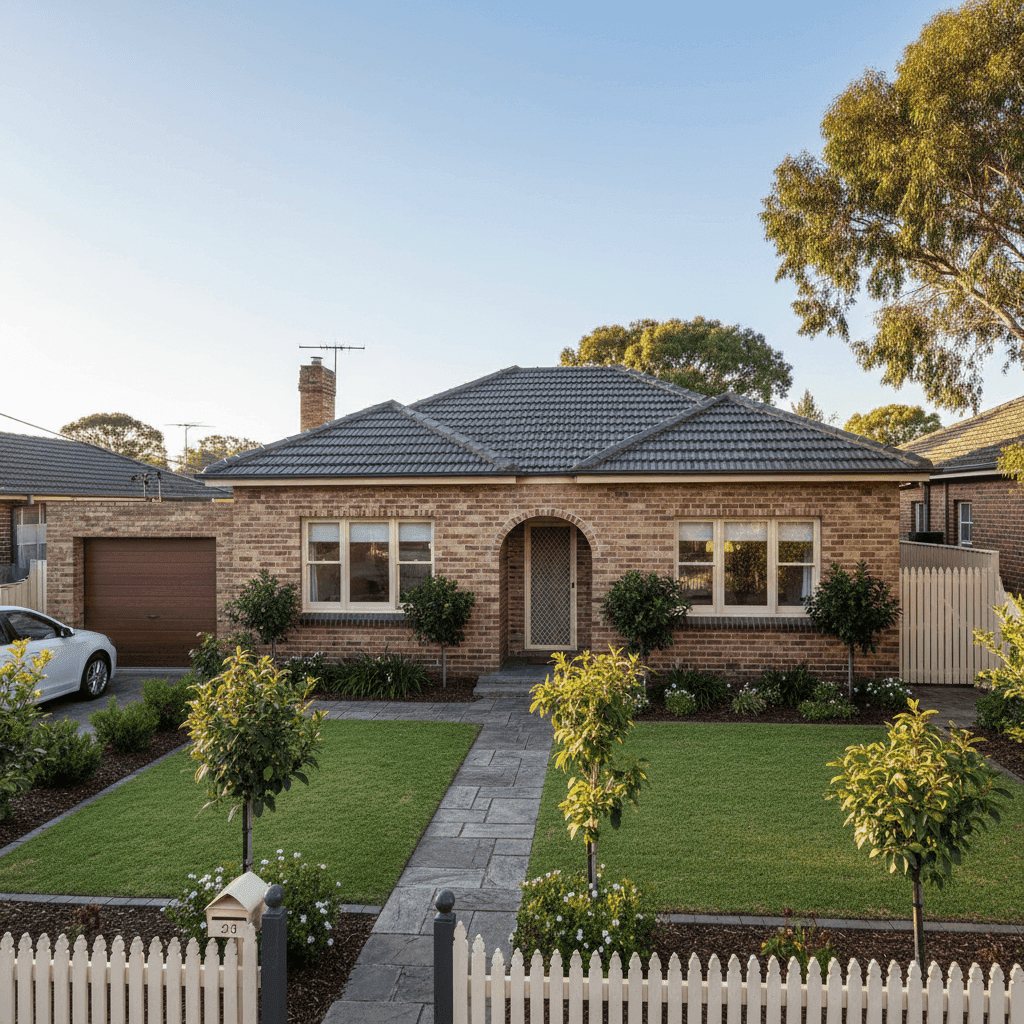
Sandringham is one of Melbourne's most sought-after bayside suburbs — a leafy, well-established community sitting just 22 kilometres south-east of the CBD. With its mix of period homes and contemporary builds, strong school catchments, and easy beach access, it's no surprise that property values here are well above the Victorian average. But what does all that mean for your home insurance premium? We've analysed a recent quote for a four-bedroom, two-bathroom free standing home in Sandringham to help you understand what's driving the cost — and whether it represents good value.
---
Is This Quote Fair?
The quote in question covers both building and contents under a combined Home and Contents policy, with a building sum insured of $1,210,000 and contents valued at $149,000. The annual premium comes in at $2,163 (or roughly $207 per month), with a $1,000 excess applying to both building and contents claims.
Our price rating for this quote is CHEAP — below the average for comparable policies. That's a meaningful result in a suburb where property values are high and rebuild costs are substantial. A well-priced policy at this level of coverage is genuinely worth paying attention to.
To put it in perspective: the Victorian state average premium sits at $3,000 per year, while the state median is $2,718. This quote comes in comfortably below both figures — saving the homeowner anywhere from $555 to $837 annually compared to what many Victorians are paying. That's real money back in your pocket without sacrificing coverage.
You can explore broader Victorian premium trends at the VIC state insurance stats page.
---
How Sandringham Compares
Benchmarking this quote against available data paints a clear picture of its competitive positioning:
| Benchmark | Annual Premium |
|---|---|
| This quote | $2,163 |
| LGA average (Bayside, Vic.) | $2,625 |
| VIC state average | $3,000 |
| VIC state median | $2,718 |
| National average | $5,347 |
| National median | $2,764 |
Against the Bayside LGA average of $2,625, this quote is approximately $462 cheaper per year — a solid saving for a property of this size and specification. Compared to the national average of $5,347, the difference is striking, though it's worth noting that national figures are heavily influenced by high-risk regions such as Far North Queensland, cyclone-prone coastal areas, and flood corridors — none of which apply here in Sandringham.
What this data tells us is that Sandringham sits in a relatively favourable risk environment. The suburb doesn't face the extreme weather events that push premiums sky-high in other parts of Australia, and the local housing stock — predominantly solid brick construction with tiled roofs — tends to be viewed favourably by underwriters.
For a full breakdown of how Sandringham stacks up, visit the Sandringham suburb insurance stats page. You can also compare against national insurance benchmarks to see how your suburb fits into the broader Australian picture.
---
Property Features That Affect Your Premium
Every home is different, and insurers assess a range of physical characteristics when calculating your premium. Here's how the specifics of this Sandringham property factor in:
Brick Veneer External Walls
Brick veneer is one of the most common wall types in suburban Melbourne, and for good reason — it performs well in terms of fire resistance, structural integrity, and weather durability. Insurers generally view brick veneer favourably, as it tends to limit the spread of fire and withstand storm damage better than lightweight alternatives like weatherboard or fibre cement cladding.
Tiled Roof
Terracotta and concrete tiles are a staple of Melbourne's residential landscape. They offer strong protection against wind and rain, are relatively low maintenance, and have a long lifespan. From an insurance perspective, a tiled roof on a well-maintained home is typically associated with lower risk than corrugated iron or colorbond in storm-prone areas — though any roof requires periodic inspection to remain in good condition.
Slab Foundation
A concrete slab foundation is standard for homes built in the 2000s and provides excellent stability. It eliminates the underfloor void found in older homes on stumps or piers, reducing the risk of pest damage and moisture ingress — both of which can lead to costly claims.
Timber and Laminate Flooring
The above-average fittings quality noted for this property — which likely includes timber or laminate flooring throughout — does contribute to a higher contents and building replacement value. Quality finishes cost more to repair or replace, and this is reflected in the sum insured figures. That said, getting the sum insured right is critical: underinsuring a well-appointed home can leave you significantly out of pocket after a major claim.
Built in 2007
A construction date of 2007 means this home was built under relatively modern Australian building codes, incorporating improved structural standards and materials. Newer homes (post-2000) often attract more competitive premiums than older properties, which may have outdated wiring, plumbing, or roofing.
No Pool, Solar Panels, or Cyclone Risk
The absence of a swimming pool removes a common liability exposure. No solar panels means no additional risk of electrical faults or roof penetration issues. And being outside a designated cyclone risk area keeps the risk profile straightforward — all of which contribute to a more competitive premium.
---
Tips for Homeowners in Sandringham
Getting a competitive quote is just the first step. Here's how to make the most of your home insurance in Sandringham:
- Review your sum insured annually. With construction costs continuing to rise across Victoria, the cost to rebuild your home may have increased since your last policy renewal. Use a building cost calculator or speak with a quantity surveyor to ensure your $1,210,000 sum insured still reflects current rebuild costs — not just market value.
- Don't underinsure your contents. $149,000 in contents cover sounds like a lot, but for a four-bedroom home with above-average fittings, it can be easy to underestimate. Walk through each room and take stock of furniture, appliances, clothing, jewellery, and electronics. Many homeowners discover they're underinsured only after a claim.
- Consider your excess carefully. A $1,000 excess on both building and contents is a common choice that helps keep premiums down. If you have sufficient savings to cover a higher excess in an emergency, opting for $2,000 or more could reduce your annual premium further.
- Compare at renewal — every year. Insurance markets shift, and loyalty doesn't always pay. Use a comparison platform like CoverClub at each renewal to make sure you're still getting the best deal for your property's risk profile.
---
Ready to Compare?
Whether you're renewing an existing policy or shopping for the first time, CoverClub makes it easy to compare home and contents insurance quotes tailored to your property. Don't settle for the first price you're offered — get a quote at CoverClub and see how much you could save on cover for your Sandringham home.