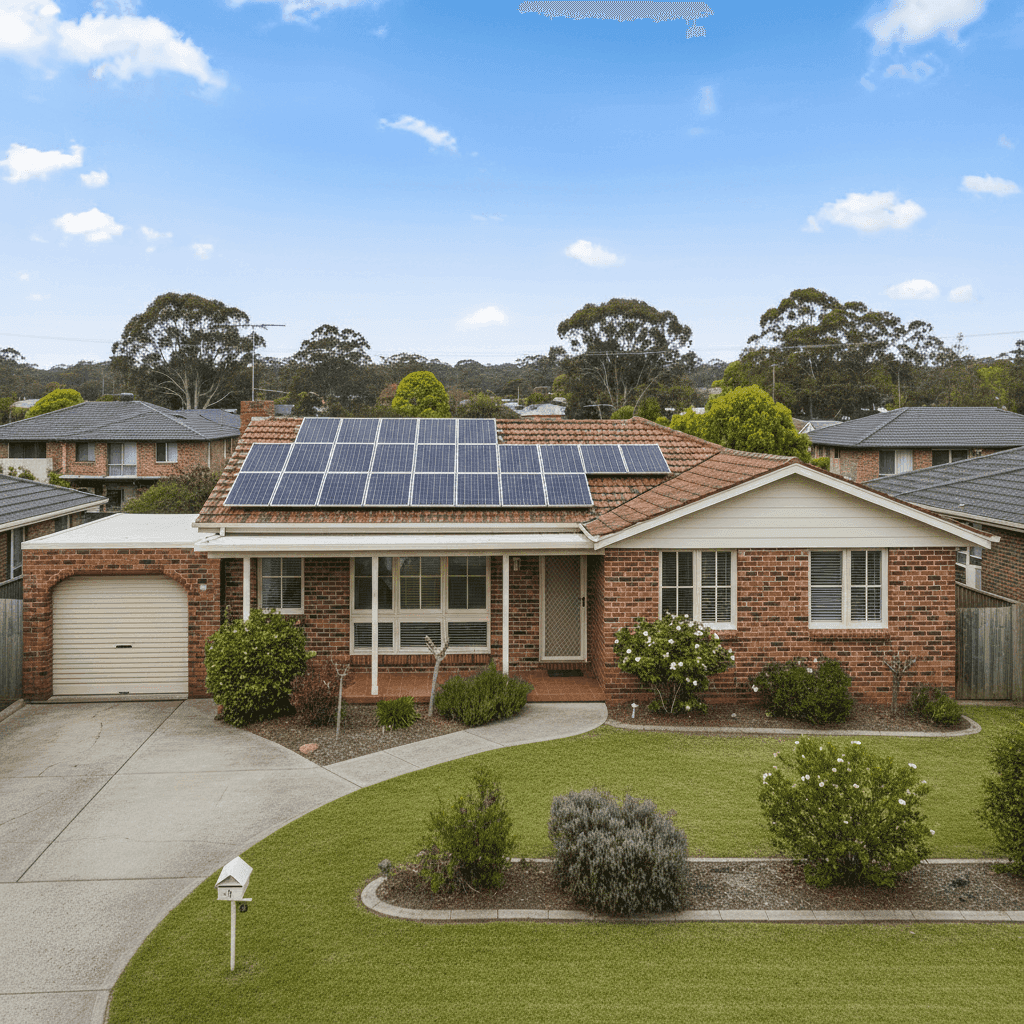
If you own a free standing home in Sawtell, NSW 2452, you already know the appeal — a relaxed coastal lifestyle, easy access to Coffs Harbour, and a tight-knit community. But coastal living comes with its own set of insurance considerations, and premiums in this part of New South Wales can vary significantly depending on your property's characteristics and the level of cover you choose.
This article breaks down a real home and contents insurance quote for a 3-bedroom, 2-bathroom free standing home in Sawtell, compares it against local, state, and national benchmarks, and offers practical tips to help you make the most of your cover.
---
Is This Quote Fair?
The quote in question comes in at $3,927 per year (or $384/month) for combined home and contents cover, with a building sum insured of $500,000 and contents valued at $200,000. Both the building and contents excess are set at $1,000.
Our price rating for this quote is Expensive — Above Average.
To put that in context, the average premium paid by homeowners in Sawtell sits at $3,358/year, while the median is notably lower at $2,216/year. This quote lands well above both figures, and also exceeds the suburb's 75th percentile of $3,148/year — meaning it's higher than what roughly three-quarters of comparable Sawtell properties are paying.
That said, the $500,000 building sum insured and $200,000 contents cover represent a reasonably high level of protection, and the property includes features like solar panels and ducted climate control that can push premiums upward. The sum insured alone will have a significant bearing on the final figure.
Explore the full picture of insurance pricing in this postcode at our Sawtell suburb stats page.
---
How Sawtell Compares
Understanding where your premium sits relative to broader averages is a useful way to gauge value. Here's how the numbers stack up:
| Benchmark | Average Premium | Median Premium |
|---|---|---|
| Sawtell (2452) | $3,358/yr | $2,216/yr |
| NSW | $3,801/yr | $3,410/yr |
| National | $2,965/yr | $2,716/yr |
| Coffs Harbour LGA | $4,230/yr | — |
A few things stand out here. While this quote exceeds the Sawtell suburb average, it actually sits below the NSW state average of $3,801/year and below the Coffs Harbour LGA average of $4,230/year — both of which suggest that insurance costs across this region of New South Wales are broadly elevated.
Compared to the national average of $2,965/year, however, this quote is noticeably higher — around 32% above the country-wide benchmark. This reflects the elevated risk profile that comes with coastal and near-coastal properties in NSW, where weather events, storm surge, and flooding can all factor into an insurer's risk calculations.
It's also worth noting that the Sawtell sample size used for these comparisons is 16 quotes, which is a relatively modest dataset. As more data comes in, these averages may shift.
Browse NSW home insurance statistics or compare against national home insurance data to see the broader picture.
---
Property Features That Affect Your Premium
Every property is different, and insurers weigh up a range of factors when calculating your premium. Here's how the specific characteristics of this Sawtell home are likely influencing the cost:
Brick Veneer Walls & Tiled Roof Brick veneer construction is generally viewed favourably by insurers — it's durable, fire-resistant, and less susceptible to storm damage than some lighter cladding materials. A tiled roof similarly signals longevity and resilience. Together, these features typically support a more competitive premium compared to properties with timber weatherboard or metal cladding.
Slab Foundation A concrete slab foundation is common for homes built in this era and is generally considered a stable and low-risk construction method. It doesn't carry the underfloor moisture or pest risks sometimes associated with raised timber stumps, which can be a positive from an insurer's perspective.
Built in 1991 At around 33 years old, this home sits in a middle-ground age bracket. It's old enough that some systems (plumbing, electrical wiring) may be nearing the end of their expected lifespan, which some insurers factor into their risk assessment — though the brick veneer construction should have aged well.
Solar Panels Solar panels are increasingly common across Australian homes, but they do add to the replacement value of a property and can introduce additional risk (particularly around fire or storm damage to the panels themselves). Insurers typically factor the value of solar installations into the building sum insured, so it's worth confirming your panels are adequately covered under your policy.
Ducted Climate Control Ducted air conditioning is a significant fixed asset and adds to the overall rebuild cost of the home. It's the kind of inclusion that can quietly push your building sum insured — and therefore your premium — higher than you might expect.
Vinyl Flooring & Standard Fittings Vinyl flooring and standard-grade fittings are generally cost-effective to replace, which can help moderate your contents and building replacement costs compared to premium finishes like hardwood floors or stone benchtops.
No Pool, Not a Cyclone Risk Area The absence of a pool removes a common liability concern, and Sawtell is not classified as a cyclone risk zone — both factors that help keep the premium from climbing even further.
---
Tips for Homeowners in Sawtell
1. Review your building sum insured carefully A $500,000 sum insured is substantial, and while it's important to be adequately covered, over-insuring can unnecessarily inflate your premium. Use a building cost calculator to estimate the true rebuild cost of your home — remember, this is about reconstruction, not market value.
2. Get multiple quotes before renewing Insurers price risk differently, and the gap between the cheapest and most expensive quotes for the same property can be significant. Compare home insurance quotes at CoverClub to see what else is available for your property.
3. Ask about bundling discounts Many insurers offer a discount when you combine your home and contents cover under a single policy — which this quote already does. If you're currently holding separate policies, consolidating them could reduce your total cost.
4. Consider your excess level Both the building and contents excess on this quote are set at $1,000. Opting for a higher excess can reduce your annual premium, though it does mean paying more out of pocket if you need to make a claim. Think about what you could comfortably afford in the event of a claim before adjusting this figure.
---
Compare Your Options with CoverClub
Whether you're reviewing an existing policy or shopping around for the first time, it pays to compare. CoverClub makes it easy to see how your premium stacks up and find better value cover for your Sawtell home. Get a home insurance quote today and make sure you're not paying more than you need to.