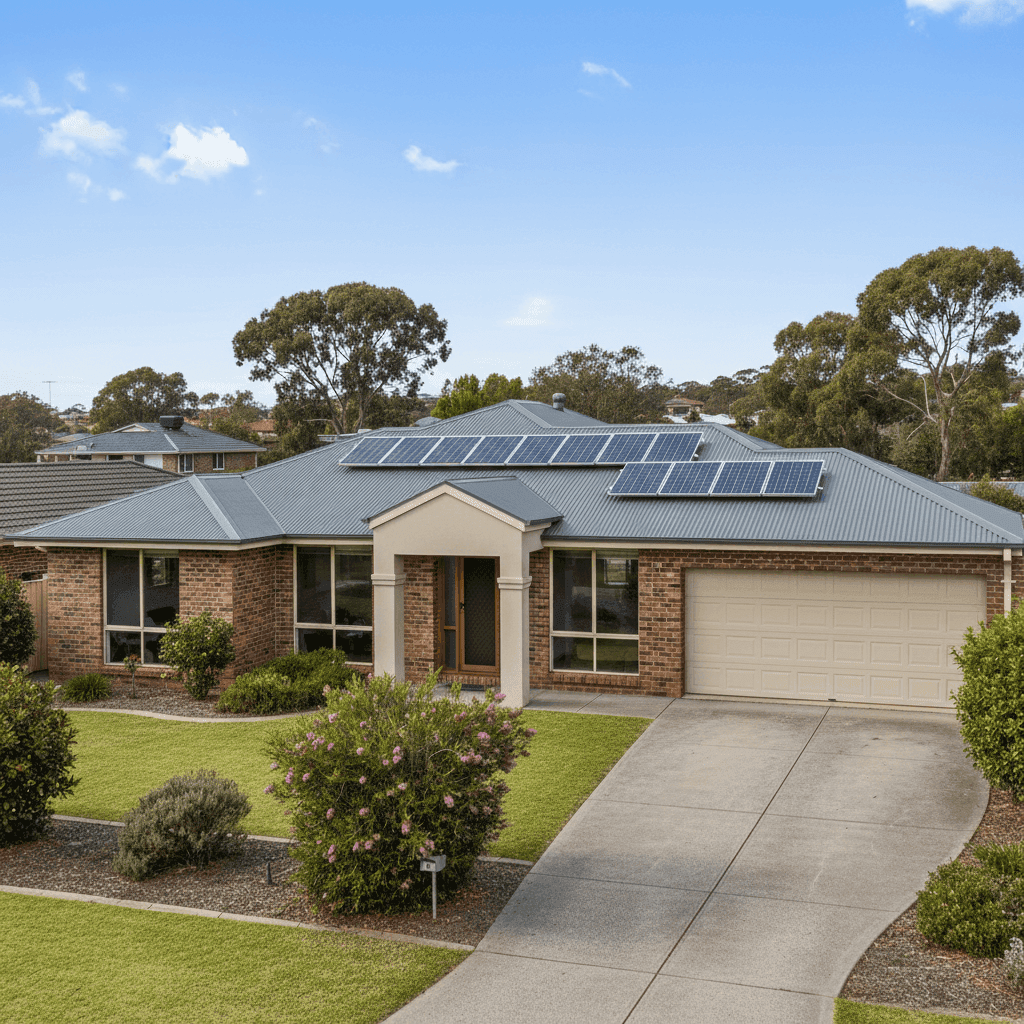
Seacliff is a quiet, coastal suburb in Adelaide's south, sitting just metres from the beach in the City of Holdfast Bay. It's a popular location for families and retirees alike, with a mix of established homes and newer builds. This article breaks down a real home and contents insurance quote for a three-bedroom, free-standing home in Seacliff (SA 5049), compares it against state and national benchmarks, and offers practical tips to help local homeowners get the most from their cover.
---
Is This Quote Fair?
The annual premium for this property came in at $1,253 per year (or roughly $120 per month), covering both building (sum insured: $550,000) and contents ($40,000), each with a $1,000 excess.
Our pricing analysis rates this quote as CHEAP — below average. That's a strong result for the homeowner. To put it in context:
- The SA state average premium is $2,433/yr, and the median sits at $1,679/yr
- The national average is a substantial $5,347/yr, with a national median of $2,764/yr
At $1,253, this quote comes in well under both the SA median and average — and is less than a quarter of the national average. Even accounting for differences in sum insured and contents values across properties, this is a genuinely competitive result. Homeowners in Seacliff who receive quotes in this range should feel confident they're not overpaying.
You can explore broader South Australian home insurance statistics or national home insurance data to see how premiums vary across the country.
---
How Seacliff Compares
While suburb-level data for Seacliff isn't available in this analysis, the LGA (Holdfast Bay) average premium of $1,594/yr gives us a useful local benchmark. This quote at $1,253 sits comfortably below that LGA average — a saving of roughly $341 per year compared to what many Holdfast Bay homeowners are paying.
| Benchmark | Premium |
|---|---|
| This Quote | $1,253/yr |
| Holdfast Bay LGA Average | $1,594/yr |
| SA State Average | $2,433/yr |
| SA State Median | $1,679/yr |
| National Average | $5,347/yr |
| National Median | $2,764/yr |
The gap between SA averages and national averages is worth noting. South Australian homeowners generally pay less than the national norm — largely because SA doesn't face the same cyclone risk as Queensland or the Northern Territory, and bushfire exposure, while present in some areas, is less severe than in parts of Victoria or NSW. Seacliff, as a coastal metro suburb, benefits from this relatively lower risk profile.
For more localised data as it becomes available, check the Seacliff suburb stats page.
---
Property Features That Affect Your Premium
Several characteristics of this property are likely contributing to its competitive premium. Here's how the key features stack up from an insurance perspective:
Brick Veneer Walls Brick veneer is one of the most common wall types in Australian suburban homes, and insurers generally view it favourably. It offers solid fire resistance and durability, which can help keep premiums down compared to timber-clad or weatherboard homes.
Steel / Colorbond Roof A Colorbond steel roof is considered low-risk by most insurers. It's highly durable, resistant to fire and hail, and requires minimal maintenance. This is a positive factor for premium pricing.
Concrete Slab Foundation Slab-on-ground construction is standard for homes built around 2000 in South Australia and is generally not a risk flag for insurers. It avoids the moisture and pest issues that can affect older raised timber floor systems.
Construction Year: 2000 At around 25 years old, this home is relatively modern by Australian standards. Homes built after the mid-1990s typically comply with updated building codes, which can mean better structural integrity and lower claims risk.
Solar Panels This property has solar panels installed, which adds some replacement value to the building sum insured. Homeowners should confirm that their policy explicitly covers solar panels as part of the building — most modern policies do, but it's worth checking the Product Disclosure Statement (PDS).
Ducted Climate Control Ducted air conditioning is a fixed building fixture and should be covered under the building component of a home and contents policy. Given its replacement cost, it's important the building sum insured is adequate to cover it.
No Pool The absence of a pool removes one common source of liability claims and slightly reduces the overall risk profile of the property.
Tiles Flooring & Standard Fittings Standard-quality fittings and tile flooring are straightforward to replace and value, which helps keep the sum insured calculation clean and avoids the premium loading that can come with high-end or bespoke finishes.
---
Tips for Homeowners in Seacliff
1. Review your building sum insured regularly Construction costs have risen significantly in recent years. A sum insured of $550,000 for a 139 sqm brick veneer home in Adelaide's south is worth reviewing annually — ideally with a quantity surveyor's assessment or an online rebuild cost calculator. Being underinsured at claim time can be a costly mistake.
2. Confirm solar panels are covered With solar panels on the roof, double-check your policy's PDS to ensure they're explicitly listed as a covered item under the building section. Some older or budget policies may exclude them or cap their replacement value.
3. Don't auto-renew without comparing Even if your current premium is below average, the insurance market shifts each year. Insurers adjust their pricing models, and a quote that's competitive today may not be next renewal. Use a comparison tool like CoverClub to check the market before you renew.
4. Consider your excess carefully Both the building and contents excess on this policy are set at $1,000. A higher excess typically lowers your premium, while a lower excess means less out-of-pocket at claim time. Think about what you could comfortably afford to pay in the event of a claim and set your excess accordingly.
---
Get a Quote for Your Seacliff Home
Whether you're a first-time buyer or a long-term local, it pays to compare your home insurance options. At CoverClub, we make it easy to see how your quote stacks up — and to find cover that suits your property and budget. Start comparing home insurance quotes today and make sure you're not paying more than you need to.