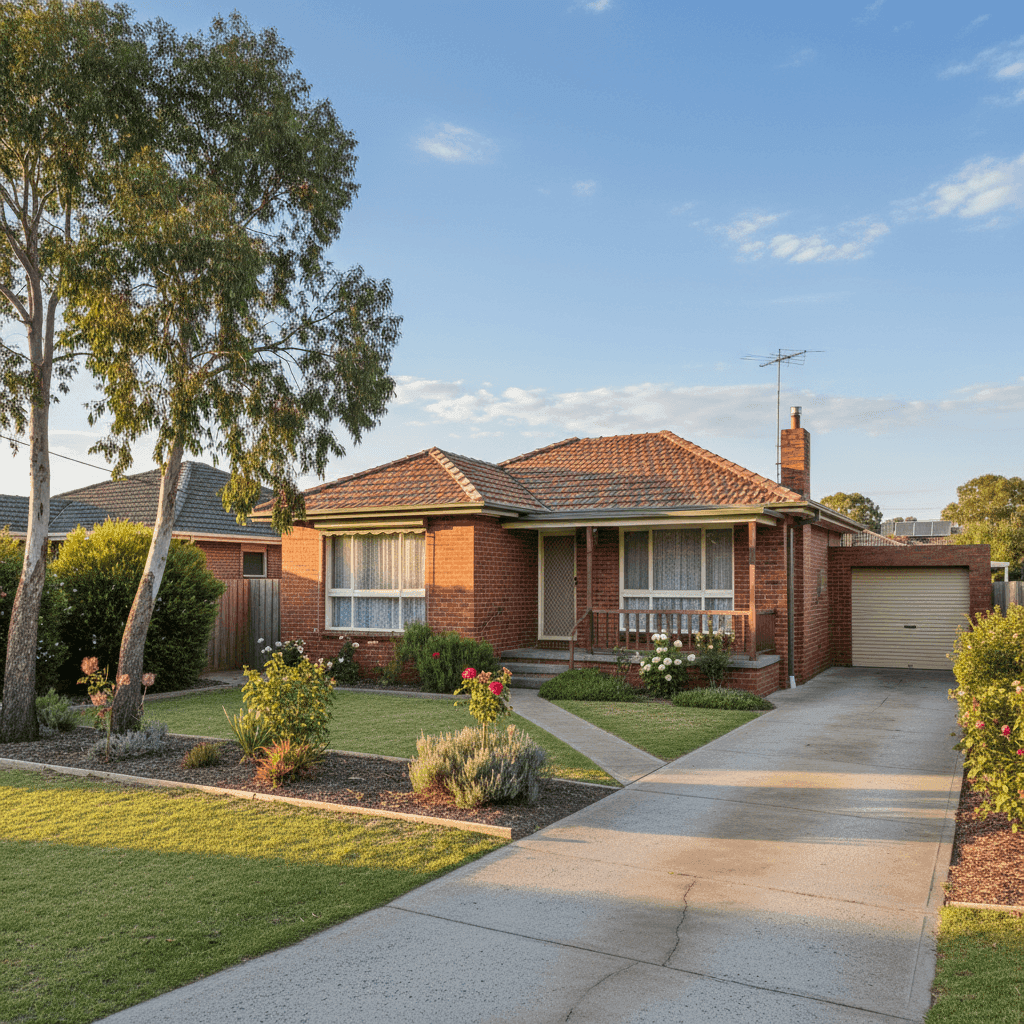
If you own a free standing home in Seaford, VIC 3198, you've probably wondered whether you're paying a fair price for home and contents insurance — or whether there's a better deal out there. This article breaks down a real quote for a three-bedroom, two-bathroom brick veneer home in the suburb, and benchmarks it against local, state, and national data to give you a clear picture of where things stand.
---
Is This Quote Fair?
The quote in question comes in at $3,221 per year (or $306/month) for combined home and contents cover, with a building sum insured of $438,000 and contents valued at $80,000. The building excess is $2,000 and the contents excess is $600.
Our price rating for this quote is FAIR — Around Average.
That assessment holds up when you look at the numbers. The suburb median premium for Seaford sits at $3,241/year, which means this quote is almost perfectly in line with what most Seaford homeowners are paying. It's also very close to the suburb average of $3,544/year — though the gap between median and average suggests a handful of higher-priced quotes are pulling that average up.
In short: this isn't a bargain, but it's not overpriced either. It's a reasonable market-rate premium for this type of property in this location.
---
How Seaford Compares
To put this quote in proper context, it helps to zoom out and look at how Seaford stacks up against broader benchmarks.
| Benchmark | Average | Median |
|---|---|---|
| Seaford (suburb) | $3,544/yr | $3,241/yr |
| Victoria (state) | $2,921/yr | $2,694/yr |
| National | $2,965/yr | $2,716/yr |
| Frankston LGA | $1,940/yr | — |
A few things stand out here. Seaford premiums are notably higher than the Victorian state average — roughly 23% above the state median. They also sit above the national average of $2,965/year, which suggests that insuring a home in this part of Melbourne's south-eastern bayside corridor carries a meaningful risk premium compared to the broader market.
Interestingly, the Frankston LGA average of just $1,940/year is considerably lower than Seaford's suburb-level figures. This is a good reminder that LGA-level data can mask significant variation between individual suburbs — Seaford's proximity to Port Phillip Bay and its mix of older housing stock likely contribute to elevated premiums within the broader LGA.
It's also worth noting the wide spread of premiums within Seaford itself: the 25th percentile sits at $1,261/year, while the 75th percentile reaches $6,935/year. That's a massive range, reflecting how much individual property characteristics, cover levels, and insurer pricing models can vary. You can explore the full data at the Seaford suburb stats page and compare it against Victoria-wide trends.
---
Property Features That Affect Your Premium
Several characteristics of this particular property are worth discussing, as they directly influence how insurers price the risk.
Age and Construction (1965, Brick Veneer)
Built in 1965, this home is now over 60 years old. Older homes tend to attract higher premiums because ageing plumbing, wiring, and structural elements increase the likelihood of a claim. Brick veneer construction — a brick outer skin over a timber frame — is extremely common in Melbourne's post-war suburbs and is generally viewed favourably by insurers compared to full timber construction. However, the timber frame component still introduces some fire and moisture risk.
Roof and Foundation
Tiled roofs are considered a solid, durable choice and typically attract standard pricing. The stump foundation is characteristic of homes built in this era across Melbourne's south-east. While stumps can be re-levelled and maintained, they do introduce a degree of structural movement risk over time, particularly if the stumps are original timber rather than restumped concrete. This is something insurers factor in.
Flooring
Timber and laminate flooring can be costly to repair or replace following water damage events — a relevant consideration given Seaford's coastal proximity. This may contribute slightly to the contents and building valuation.
Ducted Climate Control
The presence of ducted climate control adds to the replacement value of the home, and is appropriately reflected in the building sum insured. It's a commonly overlooked feature when homeowners self-assess their rebuild costs.
No Pool, No Solar
The absence of a pool and solar panels simplifies the risk profile somewhat. Both can add to premiums — pools through liability exposure, and solar through the cost of panel replacement and roof penetration risks.
---
Tips for Homeowners in Seaford
Whether you're reviewing an existing policy or shopping for a new one, here are four practical steps worth taking.
1. Review your sum insured annually. At $438,000 for a 139 sqm home, the building sum insured here is based on rebuild cost — not market value. Construction costs have risen sharply in recent years, so it's worth recalculating your rebuild estimate each year to avoid being underinsured. Many insurers offer online calculators, or you can use the Cordell Sum Sure tool.
2. Consider a higher excess to reduce your premium. The $2,000 building excess on this policy is already on the higher side, which helps keep the premium down. If you can comfortably self-fund smaller claims, opting for a higher excess on contents (currently $600) could yield further savings.
3. Get at least three quotes before renewing. The 25th–75th percentile spread in Seaford ($1,261–$6,935) shows that insurers price this suburb very differently. Loyalty rarely pays in home insurance — shopping around at renewal time is one of the most effective ways to manage your costs.
4. Check whether your stumps have been inspected recently. If you're in an older Seaford home on original timber stumps, a restumping or recent inspection report could work in your favour when discussing your policy with an insurer. Some providers will factor in recent maintenance when assessing structural risk.
---
Compare Your Own Quote
Wondering how your current premium stacks up? CoverClub makes it easy to benchmark your home insurance costs against real data from your suburb, state, and across Australia. Whether you're in Seaford or anywhere else in Victoria, you can get a quote and compare in minutes — no obligation, no jargon. It's the smarter way to make sure you're getting fair value on one of your most important financial protections.