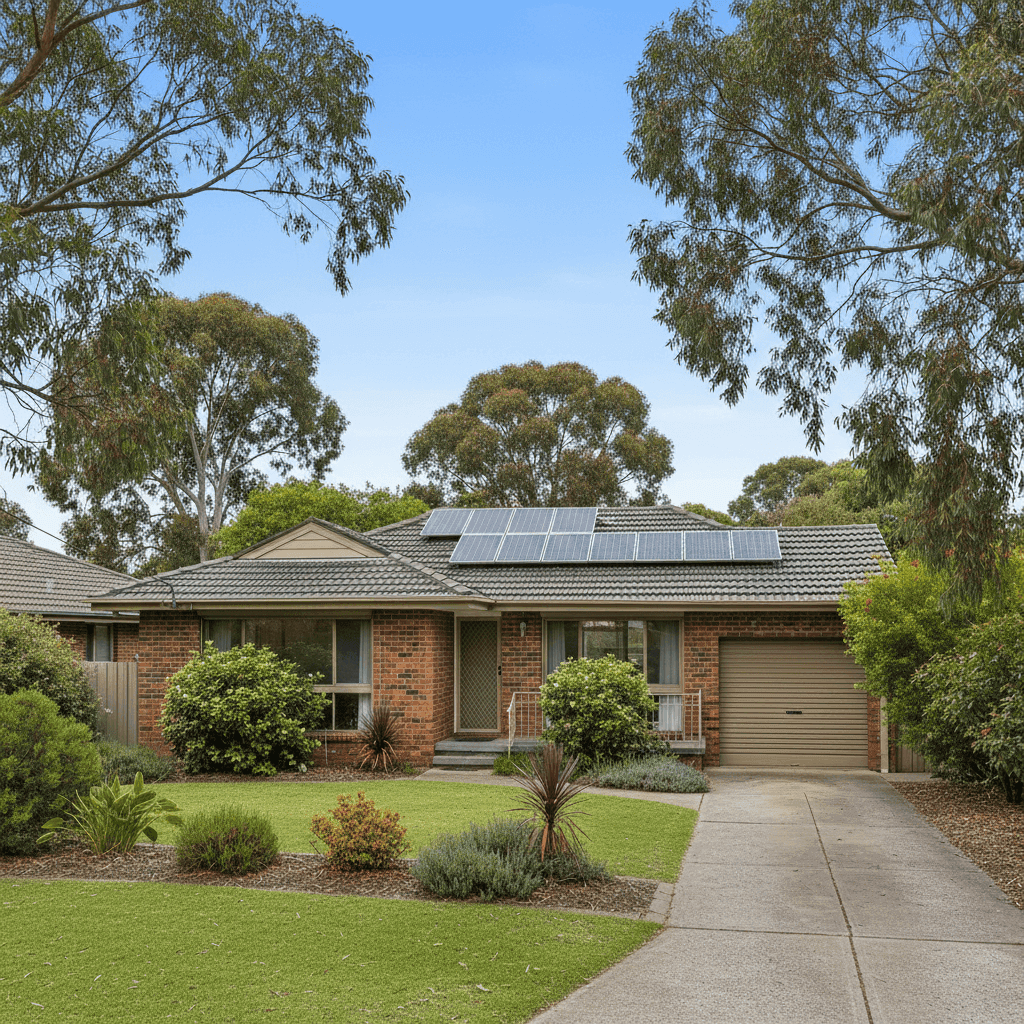
Seaford, nestled along the Mornington Peninsula corridor in Melbourne's south-east, is a well-established bayside suburb that blends coastal lifestyle with suburban convenience. For owners of a free standing home in this area, understanding what you should be paying for home and contents insurance is just as important as the cover itself. This article breaks down a real quote for a four-bedroom, two-bathroom free standing home in Seaford (VIC 3198) — and helps you work out whether it represents good value.
---
Is This Quote Fair?
The annual premium on this quote comes in at $2,324 per year (or $227/month), covering both building and contents. The building is insured for $872,000 and contents for $143,000, with a $1,000 excess applying to both.
Our price rating for this quote is FAIR — Around Average, and the numbers back that up. Within Seaford itself, the median home and contents premium sits at $2,174 per year, meaning this quote lands just $150 above the midpoint. It also falls comfortably within the suburb's interquartile range of $1,497 to $2,816, which is where the bulk of comparable quotes cluster.
In other words, this homeowner isn't being overcharged — but there's still room to shop around and potentially do better, particularly if they're sitting closer to the 25th percentile of local quotes.
---
How Seaford Compares
To put this quote in proper context, it helps to zoom out and look at the broader picture. Here's how Seaford stacks up against Victorian and national benchmarks:
| Benchmark | Average | Median |
|---|---|---|
| Seaford (3198) | $25,260/yr* | $2,174/yr |
| Victoria | $3,000/yr | $2,718/yr |
| Australia (National) | $5,347/yr | $2,764/yr |
| Frankston LGA | $3,283/yr | — |
\The suburb average is significantly skewed by a small number of high-value outlier quotes in the dataset of 37 samples — the median is a far more reliable benchmark here.*
A few things stand out. At $2,324/yr, this quote is:
- $394 below the Victorian median of $2,718
- $440 below the national median of $2,764
- Slightly above the Seaford suburb median of $2,174
This paints a fairly positive picture. Seaford homeowners appear to benefit from relatively competitive premiums compared to the broader Victorian and national landscape — likely reflecting lower catastrophic risk compared to bushfire-prone or cyclone-affected regions of Australia.
You can explore more local data on the Seaford suburb insurance stats page, compare against all of Victoria, or see how the state sits against national benchmarks.
---
Property Features That Affect Your Premium
Every property is different, and insurers price risk based on a combination of construction type, age, location, and features. Here's how the specifics of this home likely influence the premium:
Brick Veneer Walls & Tiled Roof
Brick veneer is one of the most common wall materials in Australian suburban homes, and it's generally well-regarded by insurers. It offers solid fire resistance and structural durability. Combined with a tiled roof — another standard and relatively low-risk material — this home's construction profile is unlikely to attract any significant loading on the premium.
Built in 1970
At over 50 years old, this home is firmly in the "established" category. Older homes can sometimes attract higher premiums due to the increased likelihood of ageing plumbing, wiring, and structural components needing repair or replacement. That said, a well-maintained 1970s brick home is generally insurable at standard rates — and the sum insured of $872,000 appears to reflect the true cost of rebuilding a 244 sqm home in today's market.
Stump Foundation
Homes on stumps (also known as pier foundations) are common in Victoria, particularly in older suburbs like Seaford. While this foundation type can be associated with subsidence risk if stumps deteriorate, it doesn't typically lead to dramatic premium increases for well-maintained properties.
Solar Panels
This property has solar panels, which are increasingly common across Australian homes. It's worth confirming with your insurer that your solar system is explicitly included in your building sum insured — panels can be costly to replace and are sometimes excluded or underinsured if not specifically listed.
Ducted Climate Control
Ducted heating and cooling systems add meaningful value to a home and should be factored into your building sum insured. At $872,000, the coverage here appears comprehensive, but it's always worth reviewing whether your sum insured accounts for the full replacement cost of all fixed systems.
No Pool, No Cyclone Risk
The absence of a swimming pool removes a potential liability risk factor, and Seaford's location in metropolitan Melbourne means it sits well outside any cyclone-designated zones — both of which help keep the premium reasonable.
---
Tips for Homeowners in Seaford
Whether you're reviewing an existing policy or shopping for a new one, here are four practical steps to make sure you're getting the right cover at the right price.
1. Don't rely on the average — use the median. The suburb average premium for Seaford is a misleading $25,260/yr, heavily distorted by a handful of outlier quotes. The median of $2,174 is the figure that actually reflects what most Seaford homeowners pay. Always compare your quote against the median, not the mean.
2. Review your building sum insured annually. Construction costs in Victoria have risen significantly over the past few years. A sum insured that was appropriate in 2020 may now fall short of the actual rebuild cost for a 244 sqm home. Use a building cost calculator or speak with a quantity surveyor to validate your coverage amount each year.
3. Confirm solar panels are covered. If your insurer hasn't explicitly confirmed that your rooftop solar system is included in the building sum insured, ask. Some policies treat solar panels as a separate item or may have limits on how much they'll pay out. Given the replacement cost of a quality solar system, this is a gap worth closing.
4. Compare quotes before renewal. Insurers often reserve their best pricing for new customers. If your policy is coming up for renewal, it's worth running a fresh comparison — even if you're happy with your current provider. A few minutes on CoverClub can reveal whether better value is available without sacrificing cover quality.
---
Find a Better Deal with CoverClub
Whether this quote is the right one for you depends on more than just the price — it's about getting the right level of cover for your specific home. CoverClub makes it easy to compare home and contents insurance quotes side by side, so you can see exactly what you're getting and what you're paying. Start your free quote comparison today and find out if you could be paying less for the same peace of mind.