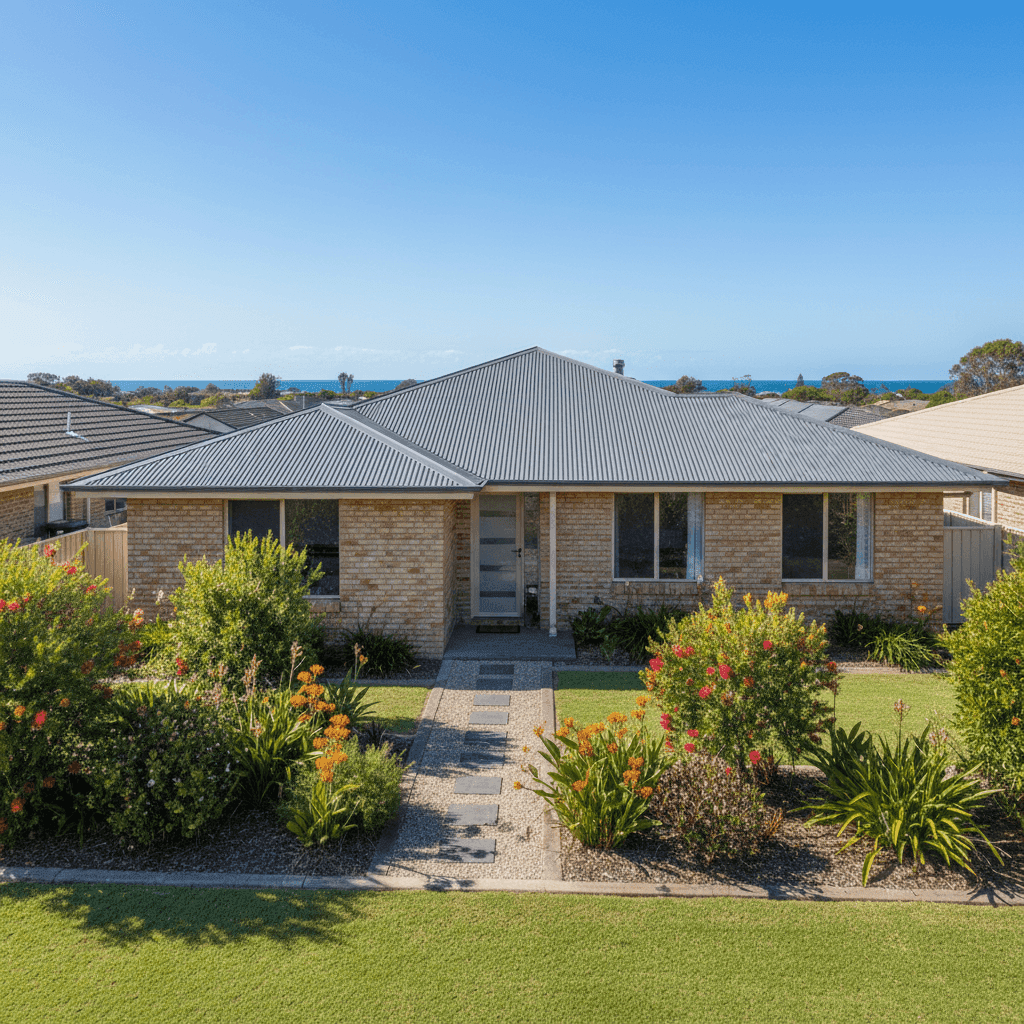
If you own a four-bedroom free standing home in Seaforth, QLD 4741, you're likely well aware that insurance in this part of Queensland can be a significant household expense. Seaforth sits in the Isaac local government area — a region that faces real weather challenges, including cyclone risk. That makes getting the right building cover not just a smart financial decision, but an essential one. This article breaks down a recent building-only insurance quote for a property in Seaforth, rates it against local and national benchmarks, and offers practical tips to help you get the best value on your cover.
---
Is This Quote Fair?
The quote in question came in at $2,806 per year (or roughly $270 per month) for building-only cover on a 244 sqm, four-bedroom, two-bathroom brick veneer home, with a sum insured of $845,000 and a building excess of $3,000.
Our rating? Cheap — below average. And that's a meaningful result in a suburb where premiums can run very high.
To put it in perspective: the average home insurance premium across Seaforth sits at $4,118 per year, and the median is $3,904. This quote comes in more than $1,300 below the suburb average — a saving of roughly 32%. Even compared to the cheapest quarter of quotes in the area (the 25th percentile at $3,266/yr), this quote still undercuts the field by a notable margin.
For homeowners in a cyclone-prone postcode, landing a premium well below the local average is genuinely worth celebrating — but it's equally important to make sure the cover is adequate, not just affordable.
---
How Seaforth Compares
Understanding where Seaforth sits in the broader insurance landscape helps put any individual quote in context. Here's a snapshot based on data from Seaforth suburb insurance stats:
| Benchmark | Annual Premium |
|---|---|
| This quote | $2,806 |
| Seaforth suburb average | $4,118 |
| Seaforth suburb median | $3,904 |
| Seaforth 25th percentile | $3,266 |
| Seaforth 75th percentile | $5,103 |
| Isaac LGA average | $3,526 |
| QLD state average | $4,547 |
| QLD state median | $3,931 |
| National average | $2,965 |
| National median | $2,716 |
A few things stand out here. First, Queensland's average home insurance premium of $4,547 is substantially higher than the national average of $2,965 — a gap largely driven by the state's exposure to cyclones, flooding, and severe storms. Seaforth, sitting within a designated cyclone risk zone, reflects this elevated risk profile in its local pricing.
Interestingly, this quote ($2,806) actually sits below the national average, which is a strong outcome for a property in a high-risk coastal Queensland postcode. The Isaac LGA average of $3,526 further confirms that this quote is performing well even within its immediate geographic context.
The spread between the 25th percentile ($3,266) and 75th percentile ($5,103) in Seaforth is quite wide — nearly $1,840 — which tells us that insurer pricing in this suburb varies considerably. Shopping around clearly pays off here.
---
Property Features That Affect Your Premium
Several characteristics of this particular property influence how insurers price the risk. Here's what's likely working in its favour — and what to keep in mind:
Brick Veneer Walls
Brick veneer construction is generally viewed favourably by insurers. It offers solid fire resistance and reasonable durability in high-wind events. Compared to timber-framed weatherboard homes, brick veneer can attract lower premiums in cyclone-prone areas, as the exterior cladding provides an additional layer of structural integrity.
Steel / Colorbond Roof
A Colorbond steel roof is one of the more resilient roofing materials available in Australia, particularly in tropical and coastal climates. It handles heat, rain, and wind well, and is resistant to corrosion — an important quality in a coastal Queensland environment. Insurers typically view Colorbond favourably compared to older tile or fibrous cement roofing.
Concrete Slab Foundation
A slab foundation is a common and well-regarded base for homes in Queensland's climate. It avoids the moisture and pest vulnerabilities associated with raised timber subfloors, and is generally considered low-risk by underwriters.
Cyclone Risk Zone
This is the most significant risk factor for properties in Seaforth. Being in a designated cyclone risk area means insurers apply higher base rates to account for the potential for structural damage during severe weather events. Cyclone-specific cover — including storm surge and wind damage — is a critical component of any building policy in this region.
1997 Construction Year
Homes built in 1997 fall under building codes that were progressively improved throughout the 1990s in Queensland, though they predate the more stringent post-2000 cyclone-resilience standards. This vintage is generally considered manageable by insurers, but it's worth ensuring your sum insured reflects any upgrades or improvements made since construction.
No Pool, No Solar, No Ducted Climate Control
The absence of a pool, solar panel system, and ducted air conditioning removes several common sources of additional premium loading. Each of these features can add complexity and cost to a policy, so their absence helps keep the premium lean.
---
Tips for Homeowners in Seaforth
Whether you're reviewing your existing policy or shopping for new cover, here are four practical steps to help you get the most out of your home insurance in Seaforth.
1. Review your sum insured annually. Building costs in Queensland have risen significantly in recent years. A sum insured of $845,000 for a 244 sqm home may be appropriate today, but rebuild costs can shift with labour and materials markets. Use a building cost calculator or speak to a quantity surveyor to make sure you're not underinsured — especially after any renovations or extensions.
2. Understand your cyclone excess. Many policies in cyclone-risk postcodes include a separate cyclone or storm excess that differs from the standard building excess. With a $3,000 building excess already in place, it's worth reading the Product Disclosure Statement carefully to understand exactly what applies in the event of cyclone damage.
3. Shop the market every renewal. The wide premium spread in Seaforth (from $3,266 to $5,103 across the middle 50% of quotes) shows that insurers price this postcode very differently. Don't assume your renewal price is competitive — compare quotes each year to ensure you're not paying more than you need to.
4. Ask about mitigation discounts. Some insurers offer premium reductions for homes with cyclone-rated shutters, reinforced garage doors, or other storm-mitigation features. If your home has any of these upgrades, make sure to declare them when getting quotes — they may be worth more than you think.
---
Compare Home Insurance Quotes in Seaforth
Securing a competitive premium in a cyclone-risk suburb like Seaforth takes a bit of legwork, but the savings can be substantial — as this quote clearly demonstrates. Whether you're a first-time buyer or a long-term homeowner, comparing multiple quotes is the single most effective way to reduce your insurance costs without compromising on cover.
Head to CoverClub to compare home insurance quotes for your Seaforth property and see how your current premium stacks up against the market. You can also explore detailed Seaforth suburb insurance data and Queensland-wide premium trends to make a fully informed decision.