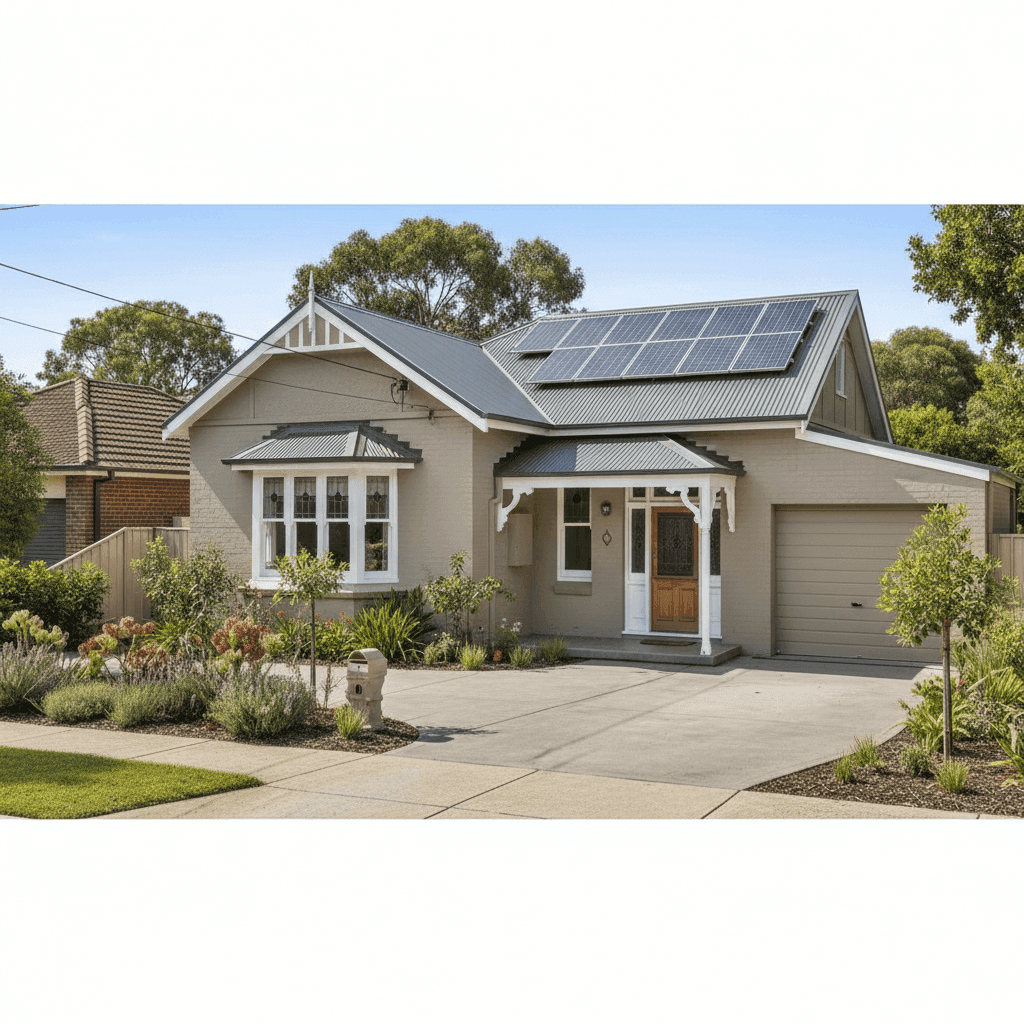
Shenton Park is one of Perth's most sought-after inner-western suburbs — a leafy, character-rich neighbourhood where pre-war homes sit comfortably alongside modern renovations. If you own a free standing home here, getting the right home and contents insurance at a competitive price is well worth your attention. This article breaks down a real insurance quote for a 3-bedroom, 2-bathroom free standing home in Shenton Park (WA 6008), and puts it in context against local, state, and national benchmarks.
---
Is This Quote Fair?
The quote in question comes in at $933 per year (or roughly $91 per month) for combined home and contents cover, with a building sum insured of $1,000,000 and contents valued at $60,000. The building excess sits at $2,000 and the contents excess at $600.
Our price rating for this quote is FAIR — Around Average.
That might sound underwhelming at first, but context matters enormously here. When you stack this premium against what other homeowners in the suburb are paying, the picture becomes more encouraging. The suburb average for Shenton Park sits at $1,374 per year, and the median is $1,289 per year — meaning this quote comes in noticeably below both figures. In fact, it's closer to the 25th percentile ($831/yr) than to the median, suggesting this is actually a reasonably competitive result for the area.
The "Fair" rating reflects that while the quote isn't the cheapest on the market, it represents solid value relative to what most Shenton Park homeowners are paying. Given the building sum insured of $1,000,000 — which is on the higher end for a 214 sqm home — the premium holds up well.
---
How Shenton Park Compares
To truly appreciate this quote, it helps to zoom out and look at the broader pricing landscape.
| Benchmark | Average Premium | Median Premium |
|---|---|---|
| Shenton Park (6008) | $1,374/yr | $1,289/yr |
| LGA (Cambridge) | $1,431/yr | — |
| Western Australia | $2,144/yr | $1,944/yr |
| National | $2,965/yr | $2,716/yr |
The numbers tell a clear story: Shenton Park is significantly cheaper to insure than the WA state average, which itself is well below the national average. Homeowners in this suburb are paying, on average, around 36% less than the typical Western Australian policyholder, and less than half the national average.
This is largely attributable to Shenton Park's relatively benign risk profile — it's not in a cyclone zone, flood risk is generally low for much of the suburb, and the area benefits from Perth's relatively mild climate. You can explore more detailed suburb-level data on the Shenton Park insurance stats page, or compare across the state on the WA insurance stats page. For a national perspective, the national insurance stats page puts things in even sharper relief.
The quote we're analysing — at $933/yr — sits 32% below the suburb average, which is a meaningful saving over the life of a policy.
---
Property Features That Affect Your Premium
Every home is different, and insurers price risk based on a wide range of property characteristics. Here's how the features of this particular home likely influence its premium:
Double Brick Construction Double brick is highly regarded by Australian insurers. It's durable, fire-resistant, and structurally sound — particularly relevant for a home built in 1941, when double brick was the construction standard of choice in Perth. Older double brick homes are often seen as lower risk than lightweight or timber-framed alternatives, which can translate to more competitive premiums.
Steel/Colorbond Roof A Colorbond roof is a strong positive from an insurance perspective. It's resistant to fire, rot, and pest damage, and performs well in high-wind events. Compared to terracotta or concrete tiles, Colorbond is lighter and less prone to cracking — reducing the likelihood of weather-related claims.
Solar Panels The presence of solar panels adds a small layer of complexity to a home insurance policy. Panels need to be covered for damage (from storms, hail, or fire), and some insurers include them automatically under the building sum insured while others require a separate declaration. It's worth confirming with your insurer that your solar system is adequately covered within your building sum insured.
Construction Year: 1941 Pre-war homes carry a certain charm — but also some underwriting nuance. Older homes may have ageing plumbing, wiring, or structural elements that can increase the likelihood of certain claims. That said, a well-maintained 1941 double brick home in Shenton Park is generally considered a sound risk, particularly if it has been renovated or updated over the decades.
Ducted Climate Control Ducted air conditioning systems are a notable inclusion for insurers. They represent a significant asset within the home and can be a source of claims (e.g., mechanical breakdown, storm damage to external units). Ensuring your building sum insured adequately accounts for the replacement cost of your ducted system is important.
Slab Foundation & Tile Flooring A slab-on-ground foundation is standard for Perth homes of this era and is generally considered low risk. Tile flooring is durable and straightforward to replace, which keeps contents and internal fitout claims relatively contained.
---
Tips for Homeowners in Shenton Park
1. Review Your Building Sum Insured Regularly A sum insured of $1,000,000 for a 214 sqm home is on the higher end, but construction costs have risen sharply in recent years. Make sure your sum insured reflects the actual cost to rebuild — not the market value of your property. Underinsurance is one of the most common and costly mistakes homeowners make.
2. Confirm Solar Panel Coverage As noted above, solar panels aren't always automatically covered to their full replacement value. Ask your insurer specifically how your system is covered, whether there are any exclusions for storm or hail damage, and whether the inverter is included.
3. Shop the Market at Renewal Even if your current premium feels reasonable, insurers frequently adjust their pricing. The spread of premiums in Shenton Park — from $831/yr at the 25th percentile to $1,762/yr at the 75th — shows there's significant variation in what different insurers charge for similar homes. Comparing quotes annually is one of the easiest ways to avoid paying more than you need to.
4. Consider Your Excess Settings The building excess on this quote is $2,000, which is relatively high. A higher excess generally lowers your premium, but it also means more out-of-pocket cost when you do make a claim. Think about what you could comfortably afford in the event of a claim, and adjust your excess accordingly to find the right balance between premium savings and financial exposure.
---
Find a Better Deal on CoverClub
Whether you're renewing your existing policy or shopping around for the first time, comparing quotes is the smartest move you can make. CoverClub makes it easy to see what multiple insurers will charge for your specific home — so you're never paying more than you should.