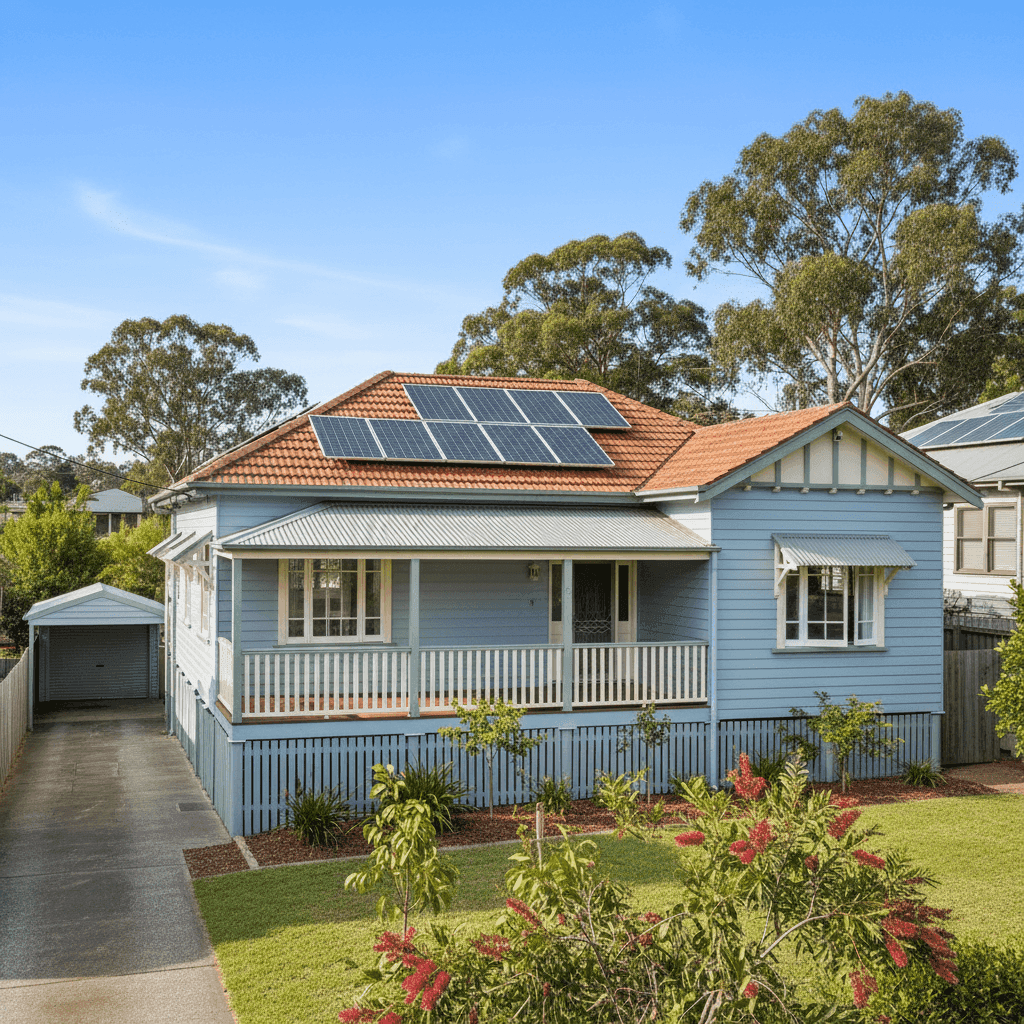
If you own a free standing home in Sherwood, NSW 2440, you already know the appeal — a relaxed coastal-hinterland lifestyle within the Port Macquarie-Hastings Local Government Area, with all the character that older Australian homes bring. But with character often comes complexity, particularly when it comes to insuring your property. This article takes a close look at a real home insurance quote for a three-bedroom, two-bathroom weatherboard home in Sherwood, and unpacks whether the premium stacks up against what other homeowners are paying across the state and nationally.
---
Is This Quote Fair?
The annual premium on this quote comes in at $6,666 per year (or $639 per month), covering both building and contents for a home insured at $965,000 for the building and $50,000 for contents. Our price rating for this quote is CHEAP — below average — which is genuinely good news for this homeowner.
To put that in perspective: the NSW state average premium sits at $9,528 per year, meaning this quote comes in roughly $2,862 below what the typical NSW homeowner pays. Against the national average of $5,347, the quote is higher — but that's largely expected given the elevated building sum insured of nearly $1 million, which reflects the true replacement cost of a well-appointed home in regional NSW.
When you factor in the above-average fittings quality, the solar panel system, and ducted climate control — all of which add to the insured value — landing a below-average premium is a solid outcome. The $1,000 excess on both building and contents is standard and reasonable.
---
How Sherwood Compares
Suburb-level premium data for Sherwood (2440) is limited due to sample size, but we can draw meaningful comparisons using broader benchmarks. Here's how the numbers line up:
| Benchmark | Annual Premium |
|---|---|
| This Quote | $6,666 |
| LGA Average (Port Macquarie-Hastings) | $7,001 |
| NSW State Average | $9,528 |
| NSW State Median | $3,770 |
| National Average | $5,347 |
| National Median | $2,764 |
A few things stand out. First, this quote sits below the LGA average of $7,001 — a meaningful comparison since it reflects homes in the same local government area facing similar risk profiles. Second, the NSW state average is notably elevated compared to the national average, reflecting the higher property values and storm/flood exposure that many parts of New South Wales carry.
The national and state medians are considerably lower than the averages, which tells us there's a wide spread in premiums — a small number of very high-risk or high-value properties pull the averages up. For a home with a $965,000 building sum insured, being below both the LGA and state averages is a strong result.
You can explore more local data on the Sherwood suburb stats page and compare it against all NSW postcodes.
---
Property Features That Affect Your Premium
Every home tells its own story, and insurers read that story carefully when calculating your premium. Here's how the key features of this Sherwood property influence the price:
Weatherboard Timber Walls
Weatherboard construction is common in older Australian homes and carries a higher fire risk than brick or rendered masonry. Timber can also be more susceptible to termite damage and general wear. Insurers typically apply a loading for weatherboard exteriors, so it's worth noting that despite this, the quote still came in below average.
Tiled Roof
A tiled roof is generally viewed favourably by insurers — tiles are durable, fire-resistant, and long-lasting compared to corrugated iron or Colorbond in some scenarios. That said, tiles can crack under hail impact or heavy debris, so ensuring your policy covers storm damage is essential.
Stump Foundation
Homes on stumps (also called "on piers") are elevated off the ground, which can actually reduce flood inundation risk in some scenarios. However, stumps require periodic inspection and maintenance, and insurers may factor in the structural complexity of this foundation type.
Timber and Laminate Flooring
This flooring type is consistent with the home's character and era, and at above-average fittings quality, it contributes meaningfully to the contents and building valuation. Quality flooring increases replacement costs, which is reflected in the sum insured.
Solar Panels
Solar panels are an increasingly common feature and most standard home insurance policies include them as part of the building cover — but it's always worth confirming this explicitly. Panels add replacement value and can also be a lightning or storm damage consideration.
Ducted Climate Control
A ducted system is a significant fixed asset and is typically covered under building insurance. Like solar panels, it's worth verifying that your policy explicitly includes HVAC systems in the event of a claim.
Construction Era (1980)
A home built in 1980 is over 40 years old. While this doesn't automatically mean higher premiums, older homes can have ageing electrical wiring, plumbing, and structural elements that insurers view as higher risk. Keeping maintenance records and undertaking proactive upgrades can help manage this.
---
Tips for Homeowners in Sherwood
Whether you're reviewing an existing policy or shopping for the first time, these practical steps can help you get the best outcome:
- Validate your building sum insured regularly. With a sum insured of $965,000, it's critical this figure reflects the current cost to rebuild — not the market value. Construction costs have risen sharply in recent years, and being underinsured can leave you significantly out of pocket after a major claim. Use a quantity surveyor or an online rebuild calculator to check your figure annually.
- Confirm solar panels and ducted systems are explicitly covered. Don't assume these are included — ask your insurer directly and get it in writing. Some policies require these to be listed as separate items or may apply sub-limits.
- Inspect and maintain your stumps. Timber stumps can rot or shift over time, which may affect your home's structural integrity and potentially your ability to make a successful claim if damage is linked to foundation issues. Consider a periodic inspection by a licensed builder or pest inspector.
- Shop around at renewal time. Even with a below-average premium today, insurers adjust their pricing annually. Use a comparison platform like CoverClub to benchmark your renewal quote against the market before you automatically renew.
---
Compare Your Own Quote
Whether you're a Sherwood local or a homeowner anywhere in Australia, it pays to know what you're actually paying relative to the market. CoverClub makes it easy to analyse your home insurance quote, compare it against real premium data, and make a confident, informed decision. Get started with a free quote comparison today — it only takes a few minutes and could save you thousands.