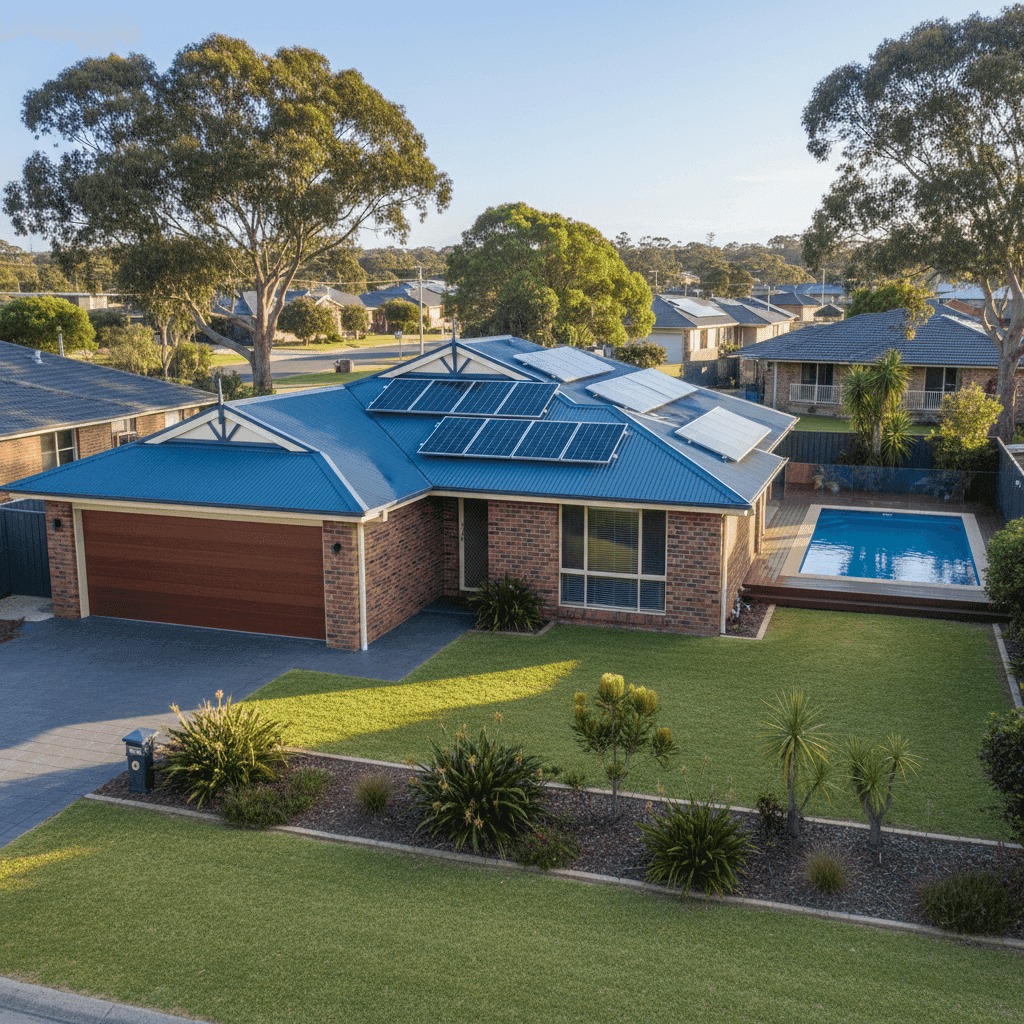
Shoalhaven Heads is a relaxed coastal village on the NSW South Coast, where the Shoalhaven River meets the sea and a laid-back lifestyle comes with genuinely beautiful surroundings. It's also an area where home insurance costs deserve a careful look — coastal proximity, local weather patterns, and the age of the housing stock all play a role in what you'll pay to protect your property. This article breaks down a recent building insurance quote for a three-bedroom, two-bathroom free-standing home in Shoalhaven Heads (postcode 2535), and puts the numbers in context so you can judge whether it stacks up.
---
Is This Quote Fair?
The quote in question is $2,654 per year (or $254 per month) for building-only cover, with a $1,000 building excess and a sum insured of $671,000. Our price rating for this quote is FAIR — Around Average.
That rating reflects where this premium sits relative to what other homeowners in the area are paying. It's not a bargain, but it's not an outlier either. With only 16 quotes in our Shoalhaven Heads sample, the spread is reasonably wide — from around $1,328 at the 25th percentile all the way to $3,098 at the 75th percentile. At $2,654, this quote lands solidly in the upper half of that range, sitting above the suburb average of $2,141 and well above the median of $1,772.
That said, "fair" doesn't mean you can't do better. It simply means this quote is in the ballpark of what the market is currently offering for comparable properties in this postcode. The features of this particular home — more on those below — do justify a higher-than-median premium, so the rating holds up under scrutiny.
---
How Shoalhaven Heads Compares
To put the $2,654 figure in proper perspective, it helps to zoom out and look at the broader picture.
| Benchmark | Premium |
|---|---|
| Shoalhaven Heads 25th percentile | $1,328/yr |
| Shoalhaven Heads median | $1,772/yr |
| This quote | $2,654/yr |
| Shoalhaven Heads average | $2,141/yr |
| Shoalhaven Heads 75th percentile | $3,098/yr |
| Kiama LGA average | $3,332/yr |
| National median | $2,764/yr |
| National average | $5,347/yr |
| NSW median | $3,770/yr |
| NSW average | $9,528/yr |
A few things stand out here. First, this quote is notably below both the NSW median ($3,770) and the national median ($2,764), which is a positive sign. NSW as a whole carries some of the highest home insurance costs in the country — largely driven by flood-prone and high-risk areas — so coming in under those benchmarks is meaningful.
Second, the Kiama LGA average of $3,332 is higher than this quote, suggesting that within the broader local government area, Shoalhaven Heads may attract slightly more competitive pricing than some neighbouring localities.
You can explore more localised data on the Shoalhaven Heads suburb stats page, compare it against the NSW state overview, or take a broader look at national home insurance trends.
---
Property Features That Affect Your Premium
Several characteristics of this property have a direct bearing on the premium calculated. Understanding them helps explain why this quote lands where it does.
Construction era (1982) Homes built in the early 1980s are well past their initial build phase, which means certain systems — plumbing, electrical wiring, roofing materials — may be ageing. Insurers factor this in when assessing risk, as older homes can be more susceptible to water damage, electrical faults, and structural wear.
Brick veneer walls and Colorbond roof Brick veneer is generally viewed favourably by insurers — it's durable, fire-resistant, and weathers well in coastal environments. The steel Colorbond roof is similarly robust and a popular choice in coastal NSW, offering good resistance to wind and salt air. These two features likely work in the homeowner's favour when it comes to premium calculations.
Slab foundation A concrete slab foundation is considered relatively low-risk by most insurers. Unlike raised or timber-stumped foundations, slabs have fewer vulnerabilities to moisture ingress and pest damage, which can translate to slightly lower premiums.
Timber and laminate flooring While attractive and common in Australian homes, timber and laminate floors are more susceptible to water damage than tiles. In a coastal area where humidity can be elevated, this is a factor worth noting — particularly if a claim involves water ingress.
Above-average fittings quality The property's above-average internal fittings — think quality cabinetry, fixtures, and finishes — contribute to a higher rebuild cost estimate, which flows directly into the sum insured of $671,000. A higher sum insured means a higher premium, but it also means you're properly covered if the worst happens.
Swimming pool Pools add liability exposure and increase the complexity of a rebuild, both of which nudge premiums upward. They also require specific coverage considerations around damage to pool structures and equipment.
Solar panels Solar systems are now a standard feature on many Australian homes, but they do add to the replacement value of the property. A quality solar installation can cost $8,000–$20,000 or more to replace, so ensuring your sum insured accounts for this is important.
Ducted climate control Ducted air conditioning systems are expensive to repair or replace and are covered under building insurance. Their presence contributes to a higher sum insured and, by extension, a slightly elevated premium.
---
Tips for Homeowners in Shoalhaven Heads
1. Review your sum insured annually Building costs have risen significantly in recent years, and a sum insured set a few years ago may no longer reflect the true cost of rebuilding your home. Use a building cost calculator or speak with a quantity surveyor to ensure your $671,000 figure remains accurate — being underinsured can be a costly mistake.
2. Ask about bundling discounts This quote covers building only. If you also need contents insurance, many insurers offer meaningful discounts when you bundle both policies. It's worth getting a combined quote to see whether the saving justifies consolidating with a single provider.
3. Consider your excess level A $1,000 excess is fairly standard, but increasing your excess voluntarily can reduce your annual premium. If you have a solid emergency fund and are unlikely to make small claims, a higher excess could deliver worthwhile savings over time.
4. Shop around — even when your renewal looks reasonable A "fair" rating means this quote is competitive, but the insurance market is dynamic. Premiums can shift meaningfully from one insurer to the next, even for identical properties. Making a habit of comparing quotes at each renewal cycle is one of the simplest ways to avoid overpaying.
---
Compare Your Own Quote
Whether you're renewing your existing policy or insuring a property for the first time, it pays to see what the market has to offer. CoverClub makes it straightforward to compare home insurance quotes from a range of Australian insurers — all in one place. Get a quote today at CoverClub and find out whether your current cover is genuinely competitive.