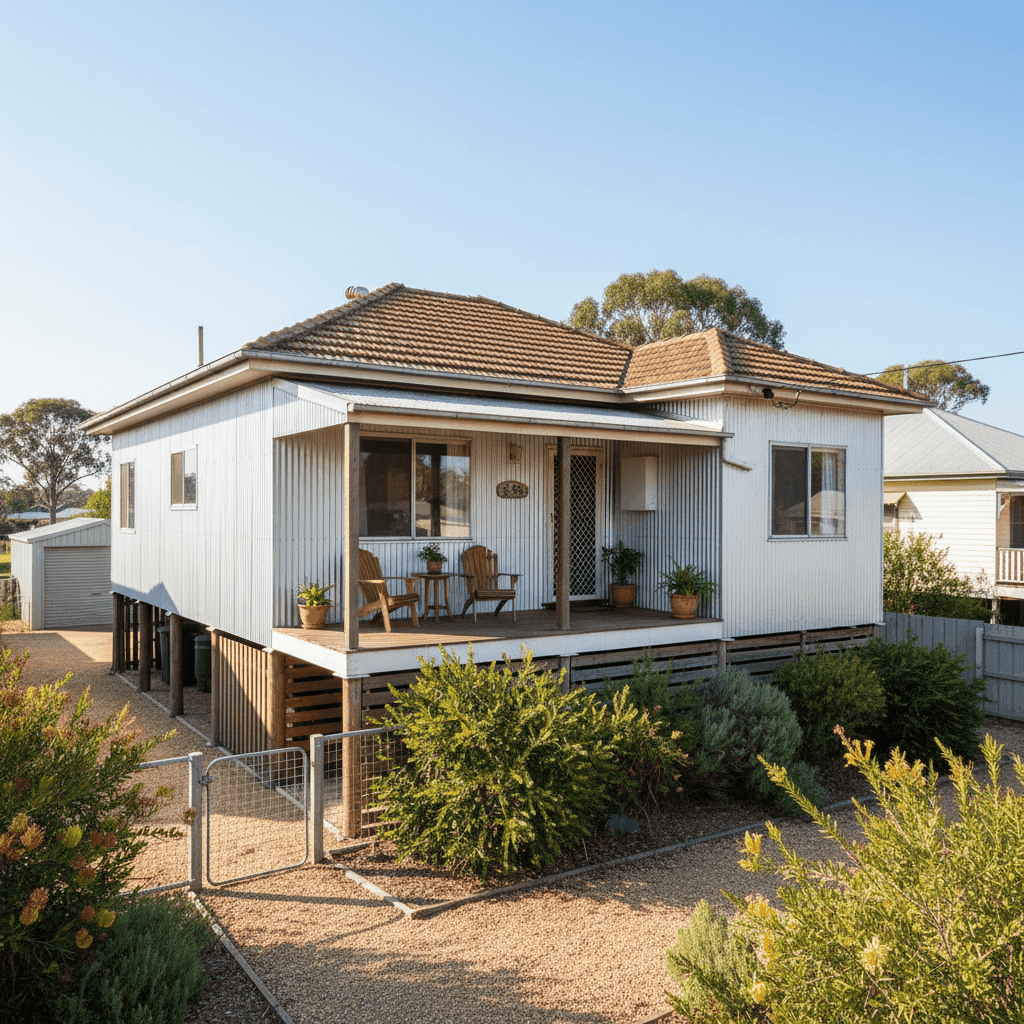
Singleton, nestled in the Hunter Valley region of New South Wales, is a well-established town with a mix of older character homes and modern builds. This analysis looks at a building-only insurance quote for a 2-bedroom, 1-bathroom free standing home in Singleton NSW 2330 — a property that carries some interesting features worth unpacking when it comes to premium pricing.
---
Is This Quote Fair?
The short answer: yes, and then some. At $2,508 per year (or $233 per month), this quote has been rated CHEAP — meaning it sits well below the average for comparable properties in the area.
To put that in perspective, the suburb average premium in Singleton is $6,926 per year, and the median sits at $6,482 per year. This quote comes in at roughly 64% below the suburb average — a significant saving by any measure. Even compared to the 25th percentile of quotes in the suburb (meaning the cheapest quarter of quotes), which sits at $5,670 per year, this premium is still dramatically lower.
This doesn't mean the cover is inadequate — it simply reflects that this particular property's risk profile, insurer pricing, and sum insured have aligned to produce a very competitive outcome. A building sum insured of $408,000 for a 130 sqm home is reasonable for the region, and the $1,000 building excess is standard.
---
How Singleton Compares
Understanding where Singleton sits in the broader pricing landscape helps contextualise just how competitive this quote really is. You can explore the full data on the Singleton suburb insurance stats page.
| Benchmark | Annual Premium |
|---|---|
| This Quote | $2,508 |
| Singleton Suburb Average | $6,926 |
| Singleton Suburb Median | $6,482 |
| NSW State Average | $9,528 |
| NSW State Median | $3,770 |
| National Average | $5,347 |
| National Median | $2,764 |
| LGA (Hawkesbury) Average | $10,350 |
A few things stand out here. First, the NSW state average of $9,528 per year is notably high — driven in part by flood-prone areas, bushfire zones, and coastal properties that inflate the mean. The state median of $3,770 is a more grounded figure, and this quote still beats it comfortably.
At the national level, the average sits at $5,347 and the median at $2,764 — meaning this quote is broadly in line with the national median, which is encouraging for a property in regional NSW.
It's also worth noting that the LGA average listed here is for Hawkesbury at $10,350 per year — a region known for significant flood exposure along the Hawkesbury-Nepean river system. Singleton falls under the Singleton LGA, not Hawkesbury, so this figure is included purely for broader regional context.
The suburb sample size of 15 quotes is relatively small, which can cause averages to skew. Nonetheless, the data paints a clear picture: this is an exceptionally well-priced quote for the area.
---
Property Features That Affect Your Premium
Several characteristics of this property likely contribute to its favourable premium. Let's walk through the key ones.
Construction Era (1960)
Homes built in the 1960s are generally considered moderate risk by insurers. They're old enough that electrical and plumbing systems may have aged, but they're typically solidly constructed. That said, some insurers apply a loading to older homes — so landing a competitive quote on a 60-plus-year-old property is a good result.
Aluminium External Walls
Aluminium cladding is relatively uncommon as a primary wall material and can attract varied insurer responses. On the positive side, aluminium is non-combustible, which may reduce bushfire and accidental fire risk assessments. It's also low-maintenance and durable, which can work in the homeowner's favour.
Tiled Roof
Terracotta or concrete tiles are generally viewed favourably by insurers — they're durable, fire-resistant, and long-lasting. A tiled roof on an older home is a solid asset and likely contributes to keeping this premium down.
Stump Foundation (Elevated Less Than 1m)
Homes on stumps are elevated off the ground, which can reduce flood and moisture damage risk to some degree. Being elevated by less than 1 metre means the property still benefits from airflow underneath while remaining accessible for maintenance. Stumped homes can sometimes attract higher premiums due to the additional structural complexity, but at less than 1m elevation, the risk profile remains manageable.
Ducted Climate Control
The presence of ducted air conditioning adds to the replacement value of the home and is factored into the sum insured. It's a meaningful inclusion in the building cover and is appropriately captured in the $408,000 sum insured.
No Pool, No Solar
The absence of a swimming pool and solar panels simplifies the risk profile. Pools add liability and structural considerations; solar panels introduce electrical and weather-related risks. Neither applies here, which keeps things straightforward for insurers.
---
Tips for Homeowners in Singleton
Whether you're reviewing your current policy or shopping for the first time, here are four practical tips tailored to homeowners in Singleton.
1. Don't Underinsure Your Older Home
Construction costs have risen sharply in recent years, and older homes — particularly those with non-standard materials like aluminium cladding — can be more expensive to repair or rebuild than their size suggests. Regularly review your sum insured to ensure it reflects current building costs in your area. A $408,000 sum insured for 130 sqm is reasonable, but it's worth checking against a professional building cost estimator annually.
2. Check Your Flood and Storm Cover
The Hunter Valley, including Singleton, is no stranger to heavy rainfall and localised flooding. Ensure your policy explicitly includes storm and flood cover — these are sometimes sold as separate add-ons. Read the Product Disclosure Statement (PDS) carefully to understand what weather events are and aren't covered.
3. Review Your Excess Level
This policy carries a $1,000 building excess, which is standard. If you're looking to reduce your annual premium further, some insurers allow you to voluntarily increase your excess in exchange for a lower premium. Just make sure the excess remains an amount you could comfortably pay out of pocket in the event of a claim.
4. Compare at Renewal — Every Year
Insurance loyalty rarely pays off in Australia. Insurers frequently offer their best pricing to new customers, meaning long-term policyholders can end up significantly overpaying. Given that this property is already attracting a below-average premium, it's worth comparing at each renewal to ensure that competitive pricing is maintained.
---
Ready to Compare Home Insurance in Singleton?
Whether this quote matches your situation or you're simply curious what's available in your area, CoverClub makes it easy to see how different insurers price your specific property. Get a home insurance quote today and find out if you could be paying less — or confirm that your current cover is already working hard for you.