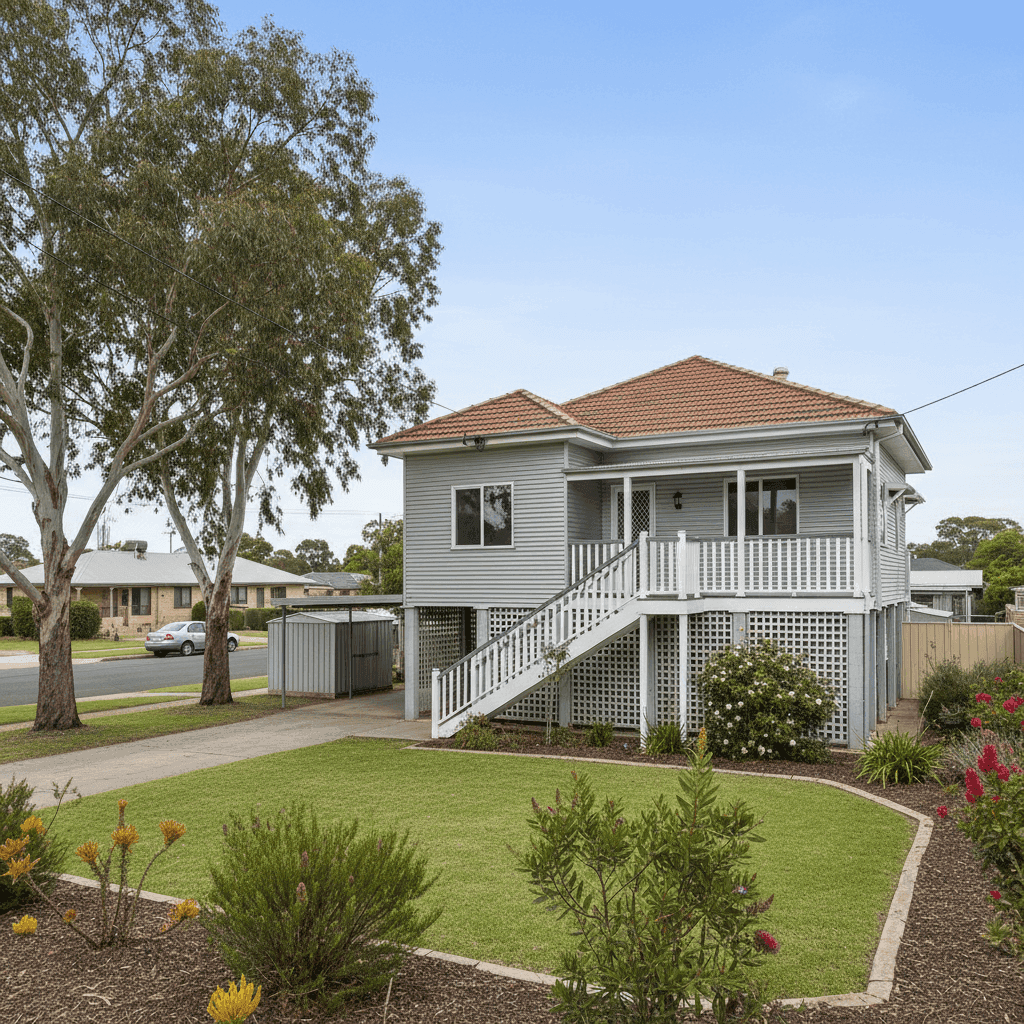
If you own a free standing home in Singleton, NSW 2330, you already know this Hunter Valley town has plenty of character — but how does it stack up when it comes to home insurance costs? This article breaks down a real building insurance quote for a 2-bedroom, 1-bathroom home in Singleton, comparing it against local, state, and national benchmarks so you can make a more informed decision at renewal time.
---
Is This Quote Fair?
The short answer: yes — and then some. This quote came in at $2,301 per year (or roughly $214/month), and our price rating system has flagged it as CHEAP, meaning it sits well below the average for comparable properties in the area.
To put that in perspective, the suburb average for Singleton is $6,926/year, and the median sits at $6,482/year. Even at the 25th percentile — meaning only 25% of quotes in the suburb are cheaper — the figure is $5,670/year. This quote at $2,301 is dramatically lower than all of those benchmarks, suggesting it represents genuinely strong value for a building-only policy with a $408,000 sum insured.
It's worth noting that the building excess on this policy is $2,000, which is on the higher side. A higher excess is one of the most common levers insurers use to reduce premiums, so part of the savings here may come from accepting more out-of-pocket cost in the event of a claim. That's a reasonable trade-off for many homeowners — just make sure you have that amount accessible if you ever need to lodge a claim.
---
How Singleton Compares
Drilling into the numbers paints an interesting picture. Here's how Singleton stacks up against broader benchmarks:
| Benchmark | Annual Premium |
|---|---|
| This Quote | $2,301 |
| Singleton Suburb Average | $6,926 |
| Singleton Suburb Median | $6,482 |
| NSW State Average | $9,528 |
| NSW State Median | $3,770 |
| National Average | $5,347 |
| National Median | $2,764 |
| Hawkesbury LGA Average | $10,350 |
A few things stand out here. First, the NSW state average of $9,528 is remarkably high — pulled up significantly by expensive coastal and flood-prone markets across the state. The state median of $3,770 tells a more balanced story, and this quote still sits below that figure.
Nationally, the average is $5,347, but the median of $2,764 is much closer to what this homeowner is paying. That suggests this quote is broadly in line with what a typical Australian homeowner pays — but well below what most Singleton residents are being quoted.
The Hawkesbury LGA average of $10,350 is notably elevated, likely reflecting significant flood risk in that region. Singleton, while located in the Hunter Valley, benefits from a different risk profile, which is part of why premiums here can be more competitive.
You can explore more local data on the Singleton suburb insurance stats page, compare it against NSW state-wide figures, or browse national insurance benchmarks.
---
Property Features That Affect Your Premium
Every home is different, and insurers weigh up a range of property characteristics when calculating your premium. Here's how the features of this particular property likely influence the price:
Construction year (1960): Older homes can attract higher premiums due to ageing infrastructure — plumbing, wiring, and structural elements may be more prone to failure. However, this doesn't always translate to dramatically higher costs if the home has been well maintained.
Aluminium external walls: Aluminium cladding is generally considered a low-maintenance, durable material that holds up reasonably well against the elements. It's not as fire-resistant as brick veneer, but it's lighter and less susceptible to moisture damage than some timber alternatives, which can be a positive factor in premium calculations.
Tiled roof: Terracotta or concrete tiles are a common and well-regarded roofing material in Australia. They're durable and offer good protection against hail and rain — both relevant risks in the Hunter Valley. Tiled roofs are generally viewed favourably by insurers compared to older materials like fibrous cement sheeting.
Stump foundation (elevated less than 1m): Homes on stumps have a degree of elevation that can offer modest protection against minor flooding or ground moisture. At under 1 metre, this isn't a major flood-mitigation factor, but it does allow for airflow beneath the home, which can reduce dampness-related claims.
Carpet flooring: Carpet is more susceptible to water damage than hard flooring options, which can slightly increase the risk profile for water-related events. That said, for a building-only policy, the focus is on the structure rather than internal finishes.
Ducted climate control: The presence of a ducted climate control system adds to the overall rebuild cost of the home, which is reflected in the sum insured. It's a meaningful inclusion when calculating an accurate building replacement value.
No pool, no solar panels: The absence of a swimming pool and solar panels simplifies the risk profile and keeps the sum insured more straightforward. Both features, when present, can add complexity and cost to a policy.
---
Tips for Homeowners in Singleton
Whether you're reviewing an existing policy or shopping around for the first time, here are four practical steps worth taking:
1. Review your sum insured regularly. Building costs have risen sharply across Australia in recent years. A $408,000 sum insured may have been accurate when the policy was first taken out, but construction costs in regional NSW have climbed significantly. Use an independent building cost calculator annually to make sure you're not underinsured — the consequences of being caught short at claim time can be financially devastating.
2. Understand your flood risk. Singleton sits in the Hunter Valley, a region that has experienced significant flooding events in recent years. Check whether your policy includes flood cover as standard or as an optional extra. Some insurers exclude flood by default, so reading your Product Disclosure Statement (PDS) carefully is essential.
3. Weigh up your excess carefully. The $2,000 building excess on this policy is higher than average. While it helps keep the premium down, it means you'll need to cover the first $2,000 of any claim yourself. If you'd prefer a lower excess, request quotes with different excess levels to see how much the premium changes — sometimes the difference is smaller than you'd expect.
4. Consider contents cover. This is a building-only policy, which means your personal belongings — furniture, appliances, clothing, and electronics — are not covered. If you haven't already, it's worth getting a combined building and contents quote to see whether bundling provides better overall value.
---
Compare Quotes for Your Singleton Home
Getting a great rate on home insurance starts with comparison. The quote analysed here is well below the Singleton suburb average, but your property's specific features, claims history, and chosen insurer can all shift the price significantly. The best way to know you're getting a fair deal is to put your own property details to the test.
Get a home insurance quote for your Singleton property today and see how your premium stacks up against the benchmarks in your suburb.