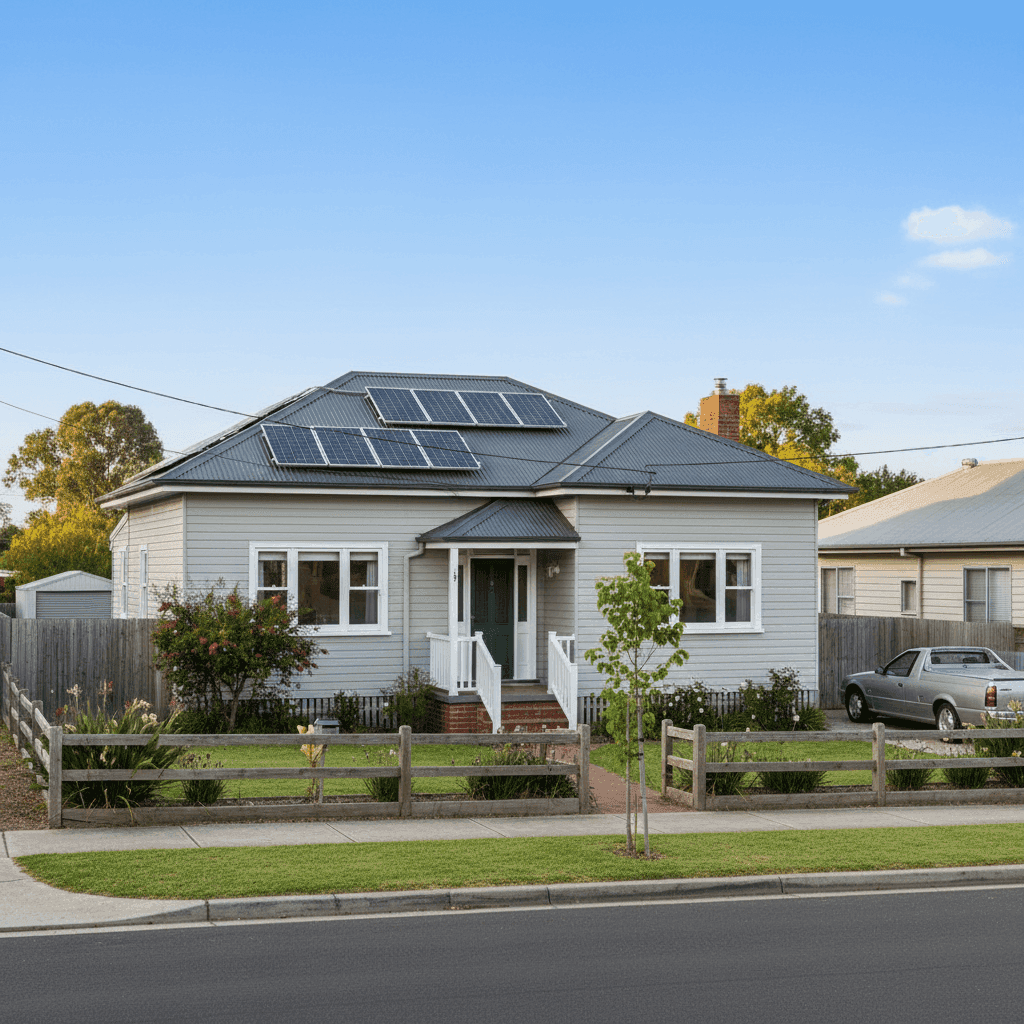
If you own a free standing home in Singleton, NSW 2330, you're probably curious whether you're paying a fair price for home and contents insurance — or leaving money on the table. This article breaks down a real quote for a 3-bedroom, 1-bathroom property in the area, compares it against local, state, and national benchmarks, and offers practical tips to help you get the best possible cover.
---
Is This Quote Fair?
The quote in question comes in at $2,739 per year (or $256/month) for combined home and contents insurance, covering a building sum insured of $650,000 and contents valued at $70,000. Both the building and contents excess are set at $5,000.
Our price rating for this quote? Cheap — well below average.
To put that in perspective, the suburb average premium in Singleton sits at $6,926/year, and the median is $6,482/year. Even at the 25th percentile — meaning only 25% of quotes are cheaper — Singleton homeowners are still paying around $5,670/year. This quote at $2,739 comes in dramatically below all of those markers.
That's a genuinely strong result. For a property of this age and construction type, landing a premium this far below the local average suggests the insurer has assessed the risk favourably — likely influenced by the Colorbond roof, the non-cyclone zone location, and the absence of a pool. It's worth noting that a $5,000 excess does contribute to keeping the premium lower, so it's important to ensure you're comfortable covering that amount out of pocket in the event of a claim.
---
How Singleton Compares
Understanding where Singleton sits in the broader insurance landscape helps you gauge whether your quote is competitive or cause for concern. Here's how the numbers stack up:
| Benchmark | Annual Premium |
|---|---|
| This Quote | $2,739 |
| Singleton Suburb Average | $6,926 |
| Singleton Suburb Median | $6,482 |
| Singleton 25th Percentile | $5,670 |
| Singleton 75th Percentile | $8,775 |
| Hawkesbury LGA Average | $10,350 |
| NSW State Average | $9,528 |
| NSW State Median | $3,770 |
| National Average | $5,347 |
| National Median | $2,764 |
A few things stand out here. The NSW state average of $9,528 is remarkably high — pulled upward by flood-prone and high-risk areas across the state. The NSW median of $3,770 is a more grounded figure, and this quote still sits comfortably below it.
Compared to the national average of $5,347, this quote represents a saving of nearly $2,600 per year. Even against the national median of $2,764, the quote is competitive. The Hawkesbury LGA average of $10,350 is notably elevated — likely driven by the significant flood risk in parts of that LGA — which makes this Singleton result look even more favourable by comparison.
It's worth noting that the suburb sample size here is 15 quotes, so while directionally useful, the local averages should be interpreted with some caution. A larger sample would provide even greater confidence in the comparison.
---
Property Features That Affect Your Premium
Every property tells a story when it comes to insurance pricing. Here's how the specific characteristics of this home likely influenced the quote:
Construction year (1929): Older homes can attract higher premiums due to ageing infrastructure, outdated wiring, and the cost of sourcing period-appropriate materials for repairs. However, a well-maintained heritage-era home with modern upgrades can still attract competitive pricing.
Hardiplank/Hardiflex external walls: Fibre cement cladding like Hardiplank is generally viewed favourably by insurers. It's fire-resistant, durable, and less susceptible to rot and pest damage compared to timber weatherboards — a common feature in homes of this era.
Steel/Colorbond roof: Colorbond is one of the most insurer-friendly roofing materials available in Australia. It's lightweight, highly durable, resistant to fire and corrosion, and performs well in extreme weather. This likely had a positive impact on the premium.
Stump foundation: Homes on stumps (also known as pier foundations) are common in older Australian properties and can be more vulnerable to movement, moisture, and pest damage. Insurers may factor this in, though it doesn't appear to have significantly impacted this particular quote.
Solar panels: Solar panels are now a standard feature on many Australian homes, but they do add replacement value to a building. Ensuring your sum insured accounts for the cost of reinstating your solar system is important — and it's worth confirming your policy explicitly covers them.
Ducted climate control: Ducted systems are expensive to repair or replace and are typically included in building cover. Their presence can nudge premiums slightly upward, but they also add to the overall liveability and value of the home.
No pool, no cyclone risk zone: The absence of a pool removes a common liability risk, and being outside a cyclone risk area means the property avoids the significant premium loadings that affect parts of Queensland and northern NSW.
---
Tips for Homeowners in Singleton
Whether you're renewing your policy or shopping around for the first time, here are some practical steps to make sure you're getting the best deal:
- Review your sum insured annually. Building costs have risen sharply in recent years. A $650,000 sum insured may have been appropriate when the policy was first taken out, but it's worth checking whether it still reflects the true cost of rebuilding your home — especially given its age and construction type. Underinsurance is one of the most common and costly mistakes homeowners make.
- Understand your excess before you commit. A $5,000 excess is on the higher end of the scale and is a key reason this premium is so competitive. If a claim arises, you'll need to cover that amount yourself before the insurer steps in. Consider whether a lower excess — even at a slightly higher premium — might offer better peace of mind.
- Check that your solar panels are explicitly covered. Not all policies automatically include solar panels under building cover. Confirm with your insurer that your system is listed and that the sum insured reflects its replacement value.
- Compare quotes at renewal time. Even if you're happy with your current insurer, the market moves. Loyalty doesn't always pay in insurance — new customers often receive better rates. Using a comparison platform like CoverClub makes it easy to see what else is available without spending hours on hold.
---
Compare Your Own Quote
Curious how your home insurance stacks up? Whether you're in Singleton or anywhere else in Australia, CoverClub makes it easy to compare quotes and understand whether you're getting a fair deal. Get a quote today and see how your premium measures up against real data from your suburb, your state, and across the country. You might be surprised at what you find.