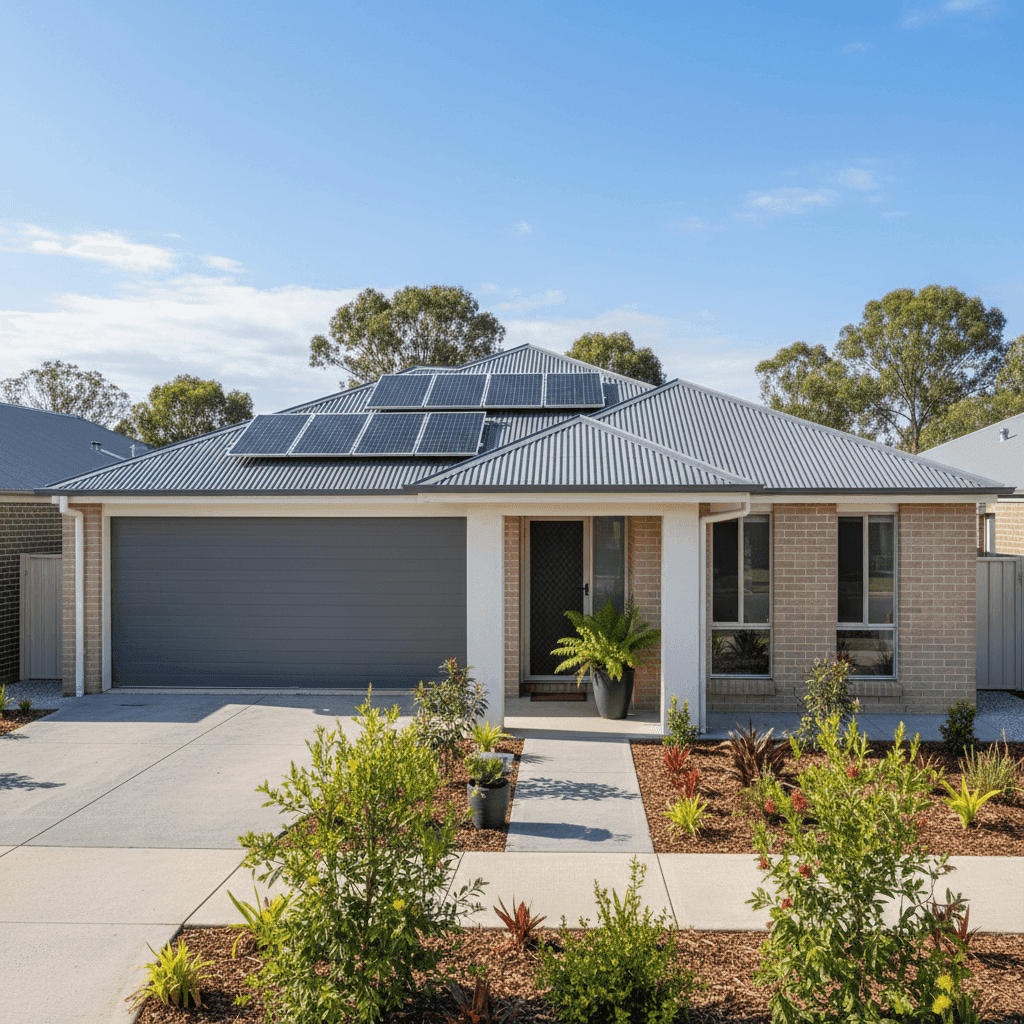
Sippy Downs is a well-established suburb on Queensland's Sunshine Coast, known for its family-friendly streets, proximity to the University of the Sunshine Coast, and a mix of modern and early-2000s housing stock. If you own a free standing home here, understanding what you should be paying for home and contents insurance is an important step toward protecting one of your most valuable assets — without overpaying for the privilege.
This article breaks down a real home insurance quote for a 4-bedroom, 2-bathroom free standing home in Sippy Downs (postcode 4556), comparing it against suburb, state, and national benchmarks to help you make a more informed decision.
---
Is This Quote Fair?
The annual premium for this property came in at $1,981 per year (or roughly $202 per month), covering both building (sum insured: $470,000) and contents ($249,000). Our price rating for this quote is FAIR — around average.
That rating holds up well under scrutiny. Based on data from 60 quotes collected for Sippy Downs, the suburb's 25th percentile sits at $1,928/yr and the 75th percentile at $3,356/yr. At $1,981, this quote lands just above the cheapest quarter of the market — meaning the majority of comparable properties in the area are paying more. That's a reasonably healthy position to be in.
It's worth noting that the suburb's median premium is $2,696/yr, so this quote comes in roughly $715 below the median. For a property with a $470,000 building sum insured and nearly a quarter of a million dollars in contents cover, that's a solid result.
The high suburb average of $21,055/yr is likely skewed by a small number of outlier quotes — perhaps properties with significantly higher replacement values or specialist cover requirements — which is why the median is a more reliable benchmark for most homeowners.
---
How Sippy Downs Compares
To put this quote into a broader context, here's how Sippy Downs stacks up against Queensland and national figures:
| Benchmark | Average Premium | Median Premium |
|---|---|---|
| Sippy Downs (4556) | $21,055/yr* | $2,696/yr |
| Sunshine Coast LGA | $7,249/yr | — |
| Queensland | $9,129/yr | $3,903/yr |
| National | $5,347/yr | $2,764/yr |
\Suburb average is skewed by high-value outliers; median is more representative.*
A few things stand out here. Queensland's median premium of $3,903/yr is noticeably higher than the national median of $2,764/yr — a gap that reflects the elevated risk profile of many Queensland properties, including flood exposure, storm damage, and in some areas, cyclone risk. Sippy Downs, however, is not classified as a cyclone risk area, which helps keep premiums more competitive.
The Sunshine Coast LGA average of $7,249/yr also reflects the diversity of properties across the region — from coastal hinterland homes to beachside properties with significantly higher risk profiles. A well-built, inland suburban home like this one in Sippy Downs naturally sits at the lower end of that range.
At $1,981/yr, this quote is below both the Queensland and national medians, which is an encouraging sign for the homeowner.
---
Property Features That Affect Your Premium
Several characteristics of this property work in the homeowner's favour when it comes to insurance pricing:
Brick Veneer Walls Brick veneer is generally viewed favourably by insurers. It offers solid fire resistance and durability, which can help moderate premiums compared to timber-framed or clad exteriors.
Steel / Colorbond Roof Colorbond roofing is one of the most popular roofing materials in Australia for good reason — it's durable, low-maintenance, and performs well in high-wind and storm conditions. Insurers tend to price Colorbond roofs more competitively than older materials like terracotta tiles or fibrous cement sheeting.
Concrete Slab Foundation A slab foundation reduces exposure to underfloor moisture, pest ingress, and subsidence-related claims. This is particularly relevant in Queensland's subtropical climate, where humidity can be a factor.
Construction Year: 2001 Homes built around 2001 were constructed under more modern building codes than older stock, which means better structural standards — but the property is also mature enough that wear-and-tear on fixtures and fittings may become a consideration over time.
Solar Panels The presence of solar panels is worth flagging. Many standard home insurance policies include solar panels under building cover, but the extent of that cover — including damage from storms, hail, or electrical faults — can vary significantly between insurers. It's worth confirming exactly what your policy covers for the solar system specifically.
Tile Flooring & Standard Fittings Tile flooring and standard-grade fittings keep the replacement cost estimate grounded. High-end finishes like engineered timber floors or stone benchtops can push building sum insured figures — and therefore premiums — higher. Standard fittings help keep the quote realistic and proportionate.
---
Tips for Homeowners in Sippy Downs
1. Review your building sum insured regularly Construction costs have risen significantly in recent years. A sum insured of $470,000 may have been accurate when the policy was first taken out, but it's worth checking whether it still reflects current rebuild costs. Underinsurance is one of the most common — and costly — mistakes homeowners make.
2. Confirm your solar panel cover As mentioned above, solar panels aren't always comprehensively covered under a standard building policy. Ask your insurer specifically whether storm damage, inverter failure, and accidental breakage are included, and whether there are any sub-limits that apply.
3. Shop around at renewal time Even if your current quote is fair, insurers adjust their pricing models regularly. What's competitive this year may not be next year. Using a comparison tool like CoverClub at renewal time takes only a few minutes and can surface meaningfully better options.
4. Consider your excess settings carefully This policy carries a building excess of $3,000 and a contents excess of $1,000. A higher excess typically lowers your annual premium, but make sure you're comfortable covering that amount out of pocket in the event of a claim. For many homeowners, a slightly lower excess offers better peace of mind — especially for contents claims, which tend to be more frequent and smaller in value.
---
Compare Your Home Insurance Today
Whether you're reviewing an existing policy or shopping for cover for the first time, it pays to see what else is out there. CoverClub makes it easy to compare home and contents insurance quotes for properties across Sippy Downs and the wider Sunshine Coast. Get a quote today and see how your premium stacks up — you might be surprised at what you find.
For more localised data on insurance costs in your area, visit the Sippy Downs suburb stats page or explore Queensland-wide premium trends.