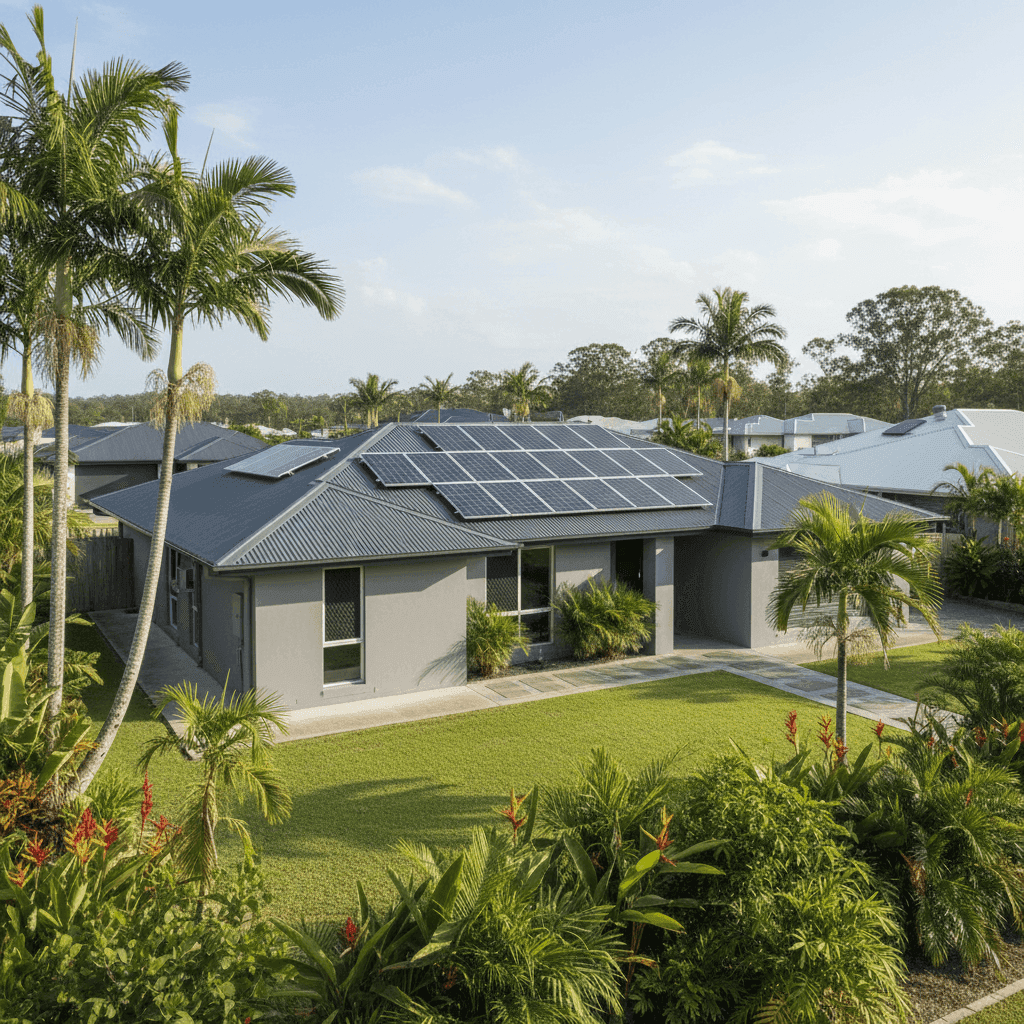
Smithfield, nestled in the northern suburbs of Cairns in Far North Queensland, is a vibrant and growing community — but it comes with some of the most challenging home insurance conditions in Australia. This article breaks down a real home and contents insurance quote for a three-bedroom, free-standing home in Smithfield (postcode 4878), examines how it compares to local, state, and national benchmarks, and offers practical advice for homeowners in the area.
---
Is This Quote Fair?
The quote in question comes in at $1,782 per year (or $178/month), covering both building and contents for a property with a building sum insured of $520,000 and contents valued at $32,000. The building excess is $3,000, and the contents excess sits at $1,000.
Our price rating for this quote is CHEAP — below average — and the data firmly backs that up.
When you consider that the suburb average premium in Smithfield is $4,171/yr and the suburb median sits even higher at $4,310/yr, this quote is paying less than half of what most comparable properties in the area are being quoted. Even the 25th percentile — meaning 75% of quotes are more expensive — sits at $2,760/yr, which is still $978 more than this premium.
Put simply, this is an exceptionally competitive result for a Smithfield property. Whether it reflects a particularly well-constructed home, a savvy insurer selection, or a combination of both, the policyholder is in a strong position compared to their neighbours.
---
How Smithfield Compares
To understand just how significant this quote is, it helps to zoom out and look at the broader picture. You can explore the full data on our Smithfield insurance stats page, Queensland stats page, and national stats page.
| Benchmark | Premium |
|---|---|
| This quote | $1,782/yr |
| Smithfield suburb average | $4,171/yr |
| Smithfield suburb median | $4,310/yr |
| Smithfield 25th percentile | $2,760/yr |
| Cairns LGA average | $6,667/yr |
| QLD state average | $4,547/yr |
| QLD state median | $3,931/yr |
| National average | $2,965/yr |
| National median | $2,716/yr |
A few things stand out here. First, the Cairns LGA average of $6,667/yr is striking — it's nearly four times the premium on this quote. This reflects the significant cyclone and weather-related risk that insurers price into properties across the Cairns region as a whole.
Second, even the national average of $2,965/yr is well above this quote, which is remarkable given that Smithfield sits in one of Australia's highest-risk insurance zones. Typically, homeowners in Far North Queensland expect to pay a substantial premium above the national average — not below it.
This quote, based on a sample of 49 quotes in the suburb, sits in genuinely rare territory.
---
Property Features That Affect Your Premium
Several characteristics of this property likely contribute to its competitive premium. Understanding these factors can help any homeowner make smarter decisions about their coverage.
Construction Materials
The home features concrete external walls and a steel/Colorbond roof — both of which are highly regarded by insurers in cyclone-prone regions. Concrete walls offer superior wind and impact resistance compared to timber or brick veneer, while Colorbond roofing is purpose-built for Australian conditions, with strong performance in high-wind events. These materials are frequently rewarded with lower premiums in Far North Queensland.
Slab Foundation
A concrete slab foundation is another positive signal for insurers. Slab homes are generally considered more stable and less susceptible to certain types of water damage (such as underfloor flooding) compared to raised or suspended floor systems.
Year of Construction
Built in 2016, this home benefits from relatively modern construction standards. Properties built after significant updates to Australian building codes — particularly those introduced following cyclone damage reviews — tend to be engineered to higher wind-resistance specifications, which can meaningfully reduce insurance risk.
Solar Panels
The presence of solar panels is worth noting. While solar adds value to a property, some insurers factor in the replacement cost of panels when calculating premiums. It's important to confirm that your policy explicitly covers solar panel damage — particularly from hail or cyclone-related debris — and that the sum insured accounts for their replacement value.
Cyclone Risk Area
Smithfield is formally designated as a cyclone risk area, which is one of the primary drivers of elevated premiums across the Cairns region. The fact that this quote remains well below average despite this designation suggests the property's construction quality is doing a lot of heavy lifting in the risk assessment.
No Pool
The absence of a swimming pool removes one additional liability and maintenance risk that some insurers price into their premiums, keeping things straightforward.
---
Tips for Homeowners in Smithfield
Living in a cyclone-prone suburb means home insurance isn't just a formality — it's a critical financial safeguard. Here are four practical tips to help you get the best outcome.
1. Don't Assume Your Sum Insured Is Still Accurate
Construction costs have risen sharply in recent years across Queensland. A building insured for $520,000 today may cost significantly more to rebuild in two or three years' time. Review your sum insured annually and consider using a professional building cost estimator to avoid being underinsured when it matters most.
2. Check Your Cyclone-Specific Policy Conditions
Not all policies treat cyclone damage the same way. Some apply a separate, higher excess for cyclone events (sometimes called a "storm excess"). Read the fine print carefully and confirm exactly what is — and isn't — covered during and after a cyclone event, including temporary accommodation costs.
3. Compare Quotes Every Year at Renewal
The spread of premiums in Smithfield is enormous — from $2,760/yr at the 25th percentile to $5,749/yr at the 75th percentile. That's a $2,989 difference for what may be very similar coverage. Loyalty rarely pays in insurance; comparing at renewal is one of the most effective ways to keep your costs down.
4. Confirm Solar Panel Coverage
If your home has solar panels (as this one does), verify that they are explicitly listed as an insured item under your building policy. Check the replacement value included and whether the policy covers damage from cyclone-related events, hail, or falling debris. This is an easy thing to overlook and an expensive gap to discover after a claim.
---
Compare Your Own Quote at CoverClub
Whether you're a Smithfield local or anywhere else in Australia, seeing how your premium stacks up against real market data can make a significant difference to what you pay. At CoverClub, we help Australians make sense of their home insurance costs with transparent comparisons and suburb-level insights. Get a quote today and find out if you're paying a fair price — or if it's time to shop around.