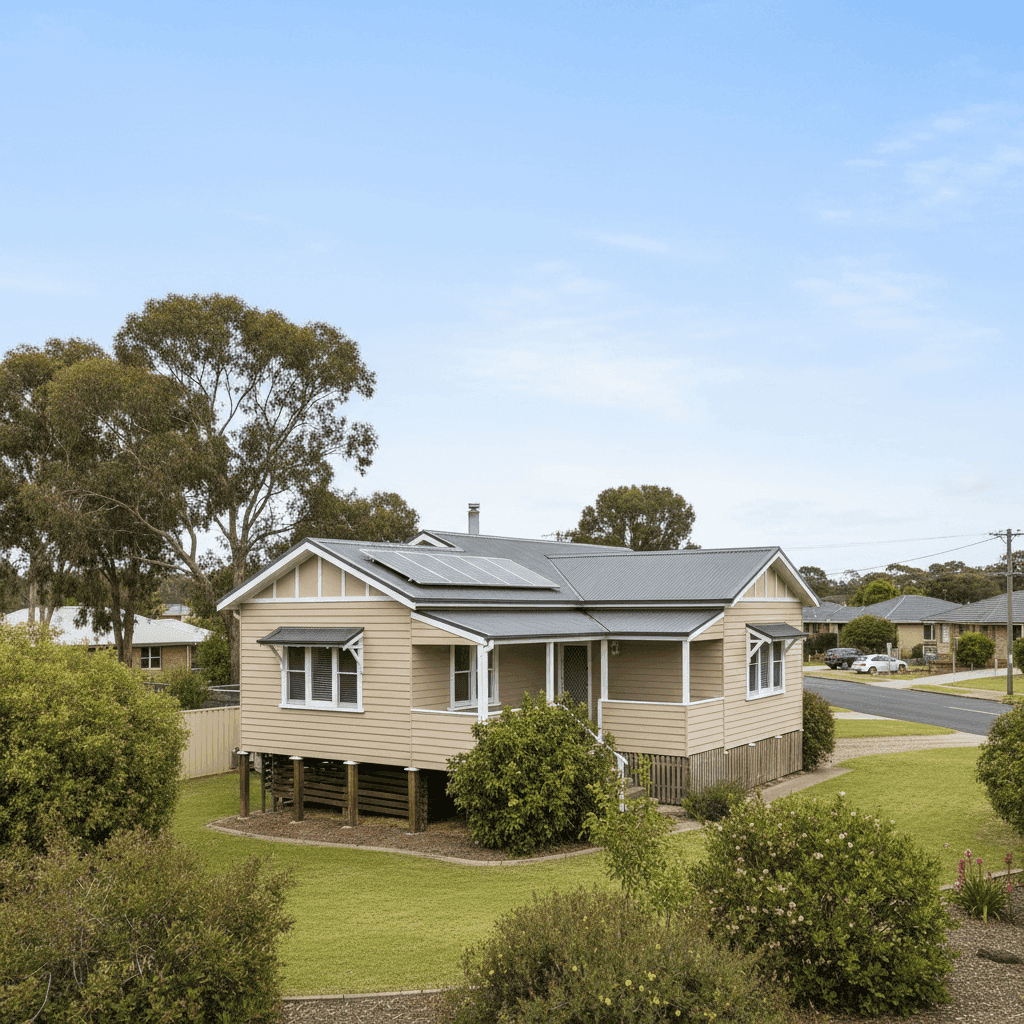
If you own a free standing home in South Kempsey, NSW 2440, you've probably noticed that insurance premiums in regional New South Wales can vary enormously. This article breaks down a real home and contents insurance quote for a three-bedroom property in the area, compares it against local, state, and national benchmarks, and offers practical advice to help you make the most of your cover.
---
Is This Quote Fair?
The quote in question comes in at $2,344 per year (or $219/month) for combined home and contents cover — a building sum insured of $495,000 and $50,000 in contents cover, with a $3,000 building excess and a $2,000 contents excess.
The short answer? This is a genuinely competitive quote. CoverClub rates it as CHEAP — meaning it sits well below the average for comparable properties in South Kempsey.
To put that in perspective:
- The suburb average for South Kempsey is $4,168/year
- The suburb median sits at $4,026/year
- Even the 25th percentile (the cheapest quarter of quotes) is $2,852/year
This quote at $2,344 falls below the cheapest 25% of quotes collected in the area — a strong indicator that it represents excellent value. Based on 42 quotes sampled in the 2440 postcode, most homeowners are paying significantly more for similar cover.
---
How South Kempsey Compares
Zooming out to a broader context only reinforces how competitive this premium is. Here's how South Kempsey stacks up against state and national figures:
| Benchmark | Average Premium | Median Premium |
|---|---|---|
| South Kempsey (2440) | $4,168/yr | $4,026/yr |
| NSW | $3,801/yr | $3,410/yr |
| National | $2,965/yr | $2,716/yr |
| Port Macquarie-Hastings LGA | $5,055/yr | — |
You can explore the full data on the South Kempsey suburb stats page, the NSW state overview, or the national insurance stats.
A few things stand out here. First, South Kempsey premiums run notably higher than the NSW state average — roughly 10% above on a median basis. Second, the Port Macquarie-Hastings LGA average of $5,055/year is the highest benchmark in this comparison, suggesting that insurers price this region with elevated risk in mind. The Macleay River valley and the broader mid-North Coast are areas that have historically experienced flooding and severe weather events, which tends to push premiums upward across the board.
Against this backdrop, the $2,344 quote looks even more impressive — it's 37% below the suburb average and 22% below the national average.
---
Property Features That Affect Your Premium
Several characteristics of this property influence how insurers calculate the premium.
Weatherboard Timber Construction
The external walls are weatherboard wood — a common building material in older Australian homes, particularly those built before the 1980s. Timber-framed homes can attract higher premiums than brick veneer or full brick construction because they carry a greater fire risk and are generally considered less resilient to storm and impact damage. That said, many insurers are experienced with weatherboard homes, and the right policy can still offer strong value.
Steel/Colorbond Roof
The Colorbond steel roof is a positive feature from an insurance perspective. Colorbond is durable, low-maintenance, and performs well in high-wind conditions compared to older materials like terracotta tiles or asbestos cement sheeting. It's a common upgrade that can contribute to more favourable pricing.
Stump Foundation
The home sits on stumps, which is typical for properties of this era and construction type in regional NSW. Stump foundations allow airflow beneath the home and can provide some flexibility in flood-prone areas, though they may also introduce vulnerabilities if stumps deteriorate over time. Keeping stumps in good condition is important for both structural integrity and insurance purposes.
Construction Year: 1970
At over 50 years old, this is an older home, and age is a factor insurers weigh carefully. Older properties may have outdated wiring, plumbing, or structural elements that increase the likelihood of a claim. It's worth ensuring your sum insured reflects the true cost to rebuild — not just the market value of the land and structure.
Solar Panels
The presence of solar panels is worth noting. Most standard home insurance policies cover rooftop solar as part of the building, but it's always worth confirming this with your insurer. Solar systems can add meaningful value to your home, so make sure your building sum insured accounts for replacement costs.
No Pool, No Ducted Climate Control
The absence of a pool and ducted air conditioning keeps things straightforward — both can add complexity and cost to a policy, so their absence may contribute to a cleaner, more affordable premium.
---
Tips for Homeowners in South Kempsey
1. Review Your Building Sum Insured Regularly
Construction costs have risen sharply in recent years across regional NSW. A sum insured of $495,000 for a 139 sqm weatherboard home should be reviewed annually to ensure it still reflects current rebuild costs — including labour, materials, and demolition. Underinsurance is a real risk, particularly for older homes where like-for-like replacement can be more expensive than expected.
2. Ask About Flood Cover Specifically
South Kempsey sits in the Macleay River floodplain, and flooding has historically been a significant risk in the area. Make sure your policy explicitly includes flood cover — not just storm or rainwater damage. Some policies exclude flood as a standard, so read the Product Disclosure Statement (PDS) carefully before committing.
3. Maintain Your Stumps and Timber Elements
Weatherboard homes on stump foundations require regular maintenance to stay insurable and structurally sound. Have your stumps inspected periodically, and address any signs of rot, termite activity, or subsidence promptly. Neglected maintenance can affect your ability to make a successful claim.
4. Compare Before You Renew
Even with a competitive quote like this one, it pays to shop around at renewal time. Insurers regularly adjust their pricing models, and the market can shift significantly from year to year. Use a comparison platform to benchmark your renewal offer against the current market — you might be surprised by what's available.
---
Compare Home Insurance Quotes in South Kempsey
Whether you're a first-time buyer or a long-time homeowner in South Kempsey, comparing quotes is the simplest way to ensure you're not overpaying. CoverClub makes it easy to see real premiums from multiple insurers side by side, so you can make an informed decision with confidence. Get a home insurance quote today and see how your current premium stacks up.