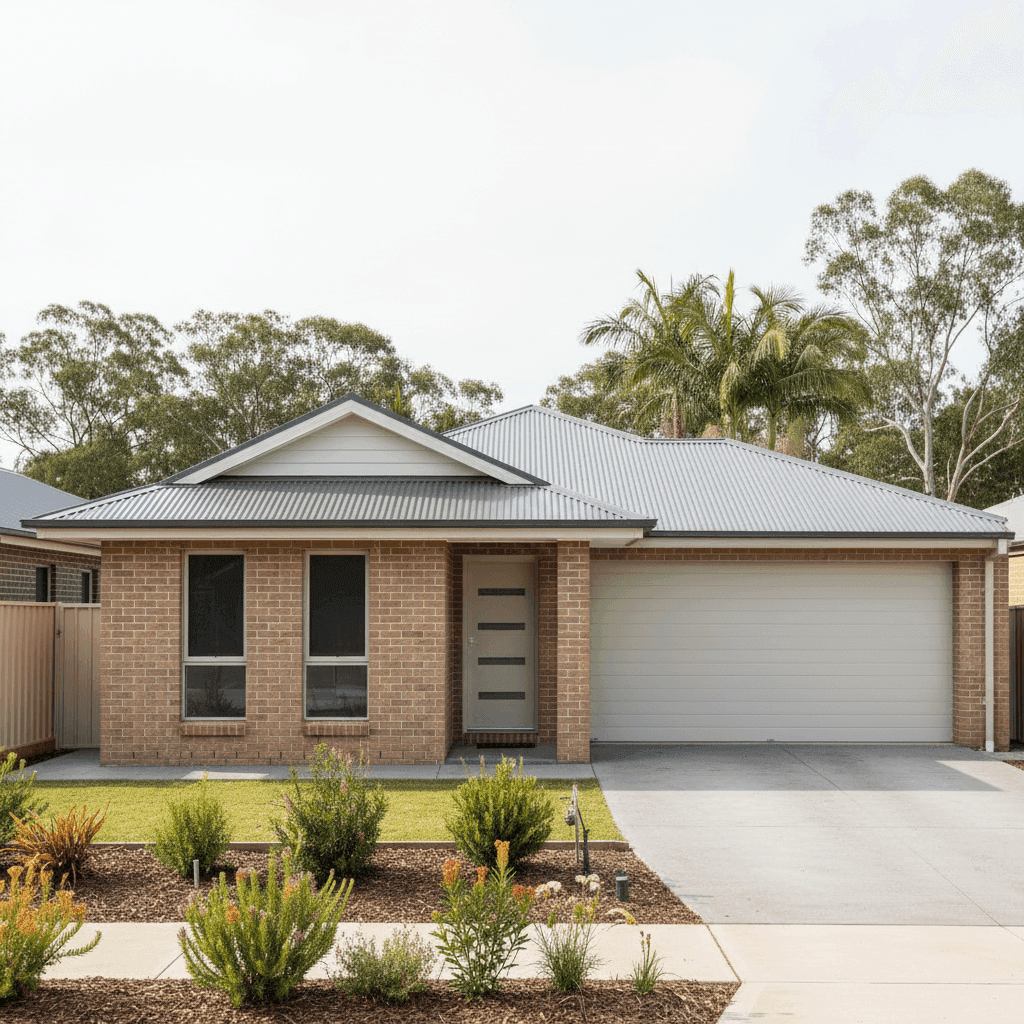
South Maclean is a quiet residential suburb tucked into the southern fringe of the Logan region in Queensland, sitting within postcode 4280 alongside neighbouring communities like Glenlogan and Greenbank. It's the kind of area that attracts families looking for space, a suburban feel, and relative proximity to both Brisbane and the Gold Coast. For homeowners here, understanding what home insurance should cost — and whether a quote is genuinely competitive — can make a real difference to the household budget.
This article breaks down a real building insurance quote for a 3-bedroom, 1-bathroom free standing home in South Maclean, comparing it against local, state, and national benchmarks to help you make an informed decision.
---
Is This Quote Fair?
The quote in question comes in at $1,934 per year (or $185 per month) for building-only cover on a 160 sqm brick veneer home, with a building sum insured of $521,000 and a $500 excess.
Our rating? Cheap — well below average.
To put that in context, the average home insurance premium across South Maclean sits at $4,115 per year, with a median of $3,875. This quote lands at less than half the suburb average — a significant saving of over $2,180 annually compared to what many neighbours are likely paying.
Even measured against the suburb's 25th percentile (the cheapest quarter of quotes), which sits at $2,337 per year, this premium still comes in lower. That means this quote is genuinely competitive, not just relative to the middle of the market, but even against the cheapest end of the local range.
For homeowners comparing options, this is the kind of result worth paying attention to.
---
How South Maclean Compares
Zooming out to a broader view, the picture becomes even more striking. You can explore the full breakdown on our South Maclean insurance stats page.
| Benchmark | Annual Premium |
|---|---|
| This Quote | $1,934 |
| Suburb Average (South Maclean) | $4,115 |
| Suburb Median | $3,875 |
| LGA Average (Logan) | $4,617 |
| QLD State Average | $9,129 |
| QLD State Median | $3,903 |
| National Average | $5,347 |
| National Median | $2,764 |
Queensland is one of the most expensive states in Australia for home insurance, largely driven by extreme weather events — cyclones in the north, floods across the south-east, and severe storm activity throughout. The QLD state average of $9,129 per year reflects this elevated risk profile, though the median of $3,903 suggests that a significant portion of that average is pulled up by high-risk properties.
Compared to the national average of $5,347 and a national median of $2,764, South Maclean's median premium of $3,875 sits above the national midpoint — consistent with Queensland's generally higher insurance costs. The quote analysed here, at $1,934, actually falls below even the national median, which is a strong result for a QLD property.
It's worth noting that the suburb sample includes 19 quotes, which provides a reasonable snapshot but may not capture the full range of insurers active in the area.
---
Property Features That Affect Your Premium
Several characteristics of this property work in its favour from an underwriting perspective:
Brick Veneer Construction Brick veneer external walls are generally well-regarded by insurers. They offer solid resistance to wind and fire compared to timber or lightweight cladding, which can translate to lower premiums. In a region that sees its share of severe storms, this is a meaningful factor.
Steel / Colorbond Roof Colorbond roofing is a popular choice across Queensland for good reason — it's durable, lightweight, and performs well in high-wind conditions. Insurers tend to view it favourably compared to older tile roofs, which can be more susceptible to storm damage and are costlier to repair.
Slab Foundation A concrete slab foundation is considered low-risk by most insurers. It's stable, resistant to movement, and doesn't carry the complications that can come with older pier-and-beam or timber stump foundations.
Slight Elevation (Less Than 1m) The property is noted as slightly elevated — less than one metre — which can offer a degree of protection against surface water intrusion during heavy rainfall events. While this isn't the same as a fully raised Queenslander, even modest elevation can reduce flood risk exposure.
No Pool, No Solar Panels The absence of a swimming pool removes a liability and maintenance risk that some insurers factor into premiums. Similarly, no solar panels means no additional coverage complexity around inverters, panels, or roof penetrations.
Ducted Climate Control The presence of ducted air conditioning does add some value to the building sum insured and is a consideration in the $521,000 coverage figure. It's a standard inclusion for a home of this type and age, built in 1995.
1995 Construction Homes built in the mid-1990s generally fall into a comfortable middle ground for insurers — past the era of asbestos-containing materials (which were phased out by the late 1980s), but not so old as to carry significant structural uncertainty. Building codes from this period also introduced improved standards for cyclone and storm resistance across Queensland.
---
Tips for Homeowners in South Maclean
Whether you're reviewing an existing policy or shopping for the first time, here are a few practical steps to keep your premiums competitive:
1. Review Your Sum Insured Annually Construction costs have risen sharply in recent years. Make sure your building sum insured reflects current rebuild costs — not just the original purchase price or an outdated estimate. Under-insuring can leave you significantly out of pocket after a major claim, while over-insuring means paying more than you need to.
2. Ask About Excess Trade-Offs The $500 building excess on this quote is relatively modest. Many insurers offer lower premiums in exchange for a higher voluntary excess. If you have the financial buffer to absorb a larger out-of-pocket cost in the event of a claim, increasing your excess to $1,000 or more could reduce your annual premium noticeably.
3. Don't Auto-Renew Without Comparing Loyalty doesn't always pay in the home insurance market. Insurers frequently offer their best rates to new customers, meaning long-term policyholders can end up paying significantly more than they should. Make it a habit to compare quotes at renewal time.
4. Consider Bundling Strategically — But Verify the Savings Some insurers offer discounts when you bundle building and contents cover. If you're renting out contents cover separately, it's worth getting a combined quote to see whether bundling actually saves money in your specific situation. In some cases, separate policies from different providers can still come out cheaper.
---
Compare Your Own Quote
If you own a home in South Maclean or anywhere across Australia, it's worth checking whether your current premium stacks up. CoverClub makes it easy to compare building and contents insurance quotes side by side, so you can see exactly where you stand relative to your neighbours and the broader market.
Get a quote today at CoverClub and find out if you're paying a fair price — or if there's a better deal waiting for you.