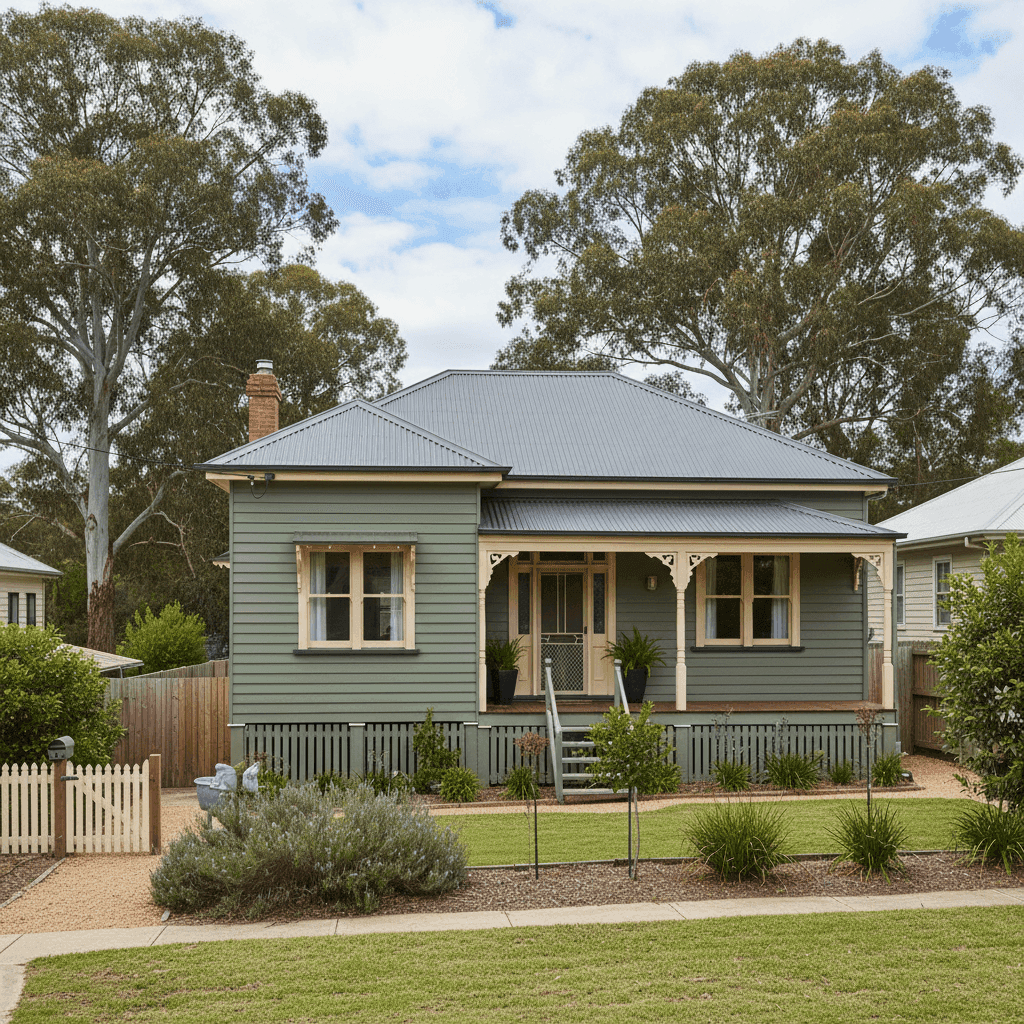
South Maitland is a quiet residential suburb in the Hunter Valley, sitting within the City of Maitland local government area. It's a region steeped in history, and that history is written into many of its homes — including the kind of classic weatherboard cottage that was common in the late 19th century. If you own a free-standing home here and you're wondering whether your building insurance premium is reasonable, this article breaks down a real quote and puts it in context.
---
Is This Quote Fair?
The quote in question is $4,280 per year (or around $403 per month) for building-only cover on a 3-bedroom, 1-bathroom free-standing home, with a sum insured of $496,000 and a $1,000 building excess.
Our rating for this quote? Cheap — below average. That's a good thing.
To understand why, it helps to look at the broader picture. The suburb average premium for South Maitland (NSW 2320) sits at $6,495 per year, with a median of $7,069. This quote comes in well below both figures — in fact, it's also below the suburb's 25th percentile of $5,081, meaning it's cheaper than at least 75% of quotes we've seen for this area. That's a meaningful saving.
For a homeowner in South Maitland, securing cover at this price level represents genuine value. The difference between this quote and the suburb average alone is over $2,200 per year — money that stays in your pocket.
---
How South Maitland Compares
It's worth zooming out to understand where South Maitland sits in the broader insurance landscape.
| Benchmark | Premium |
|---|---|
| This quote | $4,280/yr |
| South Maitland suburb average | $6,495/yr |
| South Maitland suburb median | $7,069/yr |
| NSW state average | $9,528/yr |
| NSW state median | $3,770/yr |
| National average | $5,347/yr |
| National median | $2,764/yr |
| Dungog LGA average | $4,832/yr |
A few things stand out here. First, the NSW state average of $9,528 per year is strikingly high — a reflection of the significant flood, storm, and bushfire risks that affect many parts of the state. However, the NSW median of $3,770 tells a different story; it suggests a wide spread in premiums, with some very expensive properties pulling the average upward.
At the national level, the average sits at $5,347 per year, while the median is $2,764. This quote of $4,280 is below the national average but above the national median — which is consistent with what you'd expect for an older home with some characteristics that insurers view as higher risk.
Compared to the Dungog LGA average of $4,832, this quote is also slightly cheaper, which is encouraging. Overall, the pricing here is competitive across every benchmark we track.
---
Property Features That Affect Your Premium
Insurers don't just look at your postcode — they assess the specific characteristics of your home. Several features of this property are worth understanding in the context of your premium.
Age of Construction (1890)
This home was built in 1890, making it well over 130 years old. Heritage-era homes can attract higher premiums because older materials and construction methods may be more expensive to repair or replace, and sourcing like-for-like materials can be difficult. That said, many older homes are solidly built and well-maintained, and a competitive quote like this one suggests the insurer has assessed the risk favourably.
Weatherboard Timber Walls
Weatherboard timber is a classic and charming external wall material, but it does carry some considerations for insurers. Timber is more susceptible to fire and moisture damage than brick or rendered masonry, which can push premiums higher. It also requires ongoing maintenance — paint, sealing, and treatment — to remain in good condition.
Steel / Colorbond Roof
On the positive side, a Colorbond steel roof is viewed favourably by insurers. It's durable, fire-resistant, and holds up well in storms and high winds. Replacing weatherboard roofing with Colorbond is often one of the most cost-effective upgrades a homeowner can make from an insurance perspective.
Stump Foundation
Homes on stumps (also known as pier-and-beam foundations) are common in older Australian properties. They offer good ventilation and can be easier to access for repairs, but they can also be vulnerable to subsidence, termite activity, and movement over time. Insurers factor this in when assessing structural risk.
Timber and Laminate Flooring
Timber flooring in an older home adds to the character — but it also adds to the replacement cost. Timber floors can be expensive to repair or replace after water damage or fire, which is reflected in the sum insured.
Sum Insured: $496,000
For a 160 sqm home of this age and construction type, $496,000 as a building sum insured is a figure worth reviewing periodically. Building costs have risen significantly in recent years, and underinsurance remains one of the most common issues homeowners face at claim time. It's worth getting a professional building valuation every few years to ensure your cover keeps pace.
---
Tips for Homeowners in South Maitland
1. Review Your Sum Insured Regularly
Construction costs in regional NSW have climbed sharply. What it cost to rebuild your home five years ago is likely less than what it would cost today. Check your sum insured annually and consider using a qualified quantity surveyor or your insurer's rebuilding cost calculator to stay accurate.
2. Maintain Your Weatherboard Exterior
Regular painting and sealing of timber weatherboards isn't just about kerb appeal — it's about protecting your home from moisture ingress, rot, and pest damage. Keeping your home well-maintained can also support your claims if damage occurs, as insurers may query whether lack of maintenance contributed to a loss.
3. Inspect Your Stumps
If you haven't had your stump foundation inspected recently, it's worth organising a professional assessment. Timber stumps in particular can be vulnerable to termite damage and rot, and early detection is far cheaper than structural repairs after the fact. Some homeowners in older homes also choose to restump with concrete or steel for added peace of mind.
4. Shop Around at Renewal Time
This quote is already priced well below the suburb average, but that doesn't mean you should simply auto-renew each year. Insurance markets shift, and the best price today may not be the best price in 12 months. Use a comparison platform like CoverClub to benchmark your renewal quote before you commit.
---
Compare Your Own Quote
Whether you're a long-time South Maitland resident or you've recently purchased in the area, it pays to know where your premium stands. CoverClub makes it easy to compare building insurance quotes and understand how your price stacks up against local and national benchmarks. Get a quote today and see if you could be paying less — or confirm that your current cover is already working hard for you.