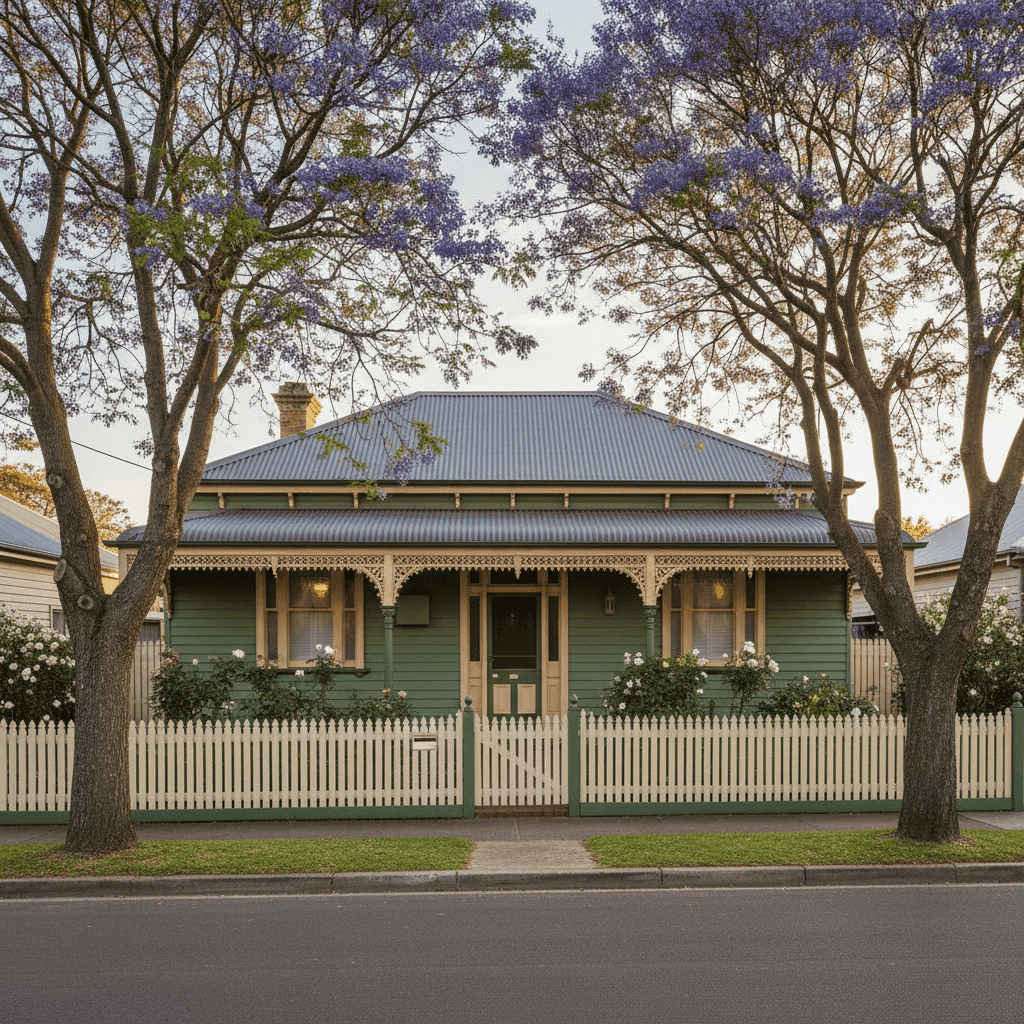
South Maitland is a quiet residential suburb in the Hunter Valley, sitting within the City of Maitland local government area in New South Wales. Known for its older housing stock and heritage streetscapes, it's a suburb where the charm of Federation and late-Victorian architecture is very much alive. If you own a freestanding home here — particularly one of the weatherboard cottages that define the area — understanding what drives your insurance premium is well worth your time.
This article breaks down a real home and contents insurance quote for a 3-bedroom freestanding home in South Maitland (postcode 2320), compares it against local, state, and national benchmarks, and offers practical tips for keeping your cover both comprehensive and cost-effective.
---
Is This Quote Fair?
The quote in question comes in at $4,807 per year (or roughly $454 per month) for a combined home and contents policy, covering a building sum insured of $520,000 and $50,000 in contents. The building and contents excess are each set at $1,000.
Our pricing engine rates this quote as Fair — Around Average, which is an honest and useful result. It means you're not being significantly overcharged, but there may still be room to shop around. Given the complexity of insuring a heritage-listed, pre-Federation weatherboard home, landing near the average is actually a reasonably solid outcome.
To put it in context: the suburb average for South Maitland sits at $6,578 per year, and the median is $6,142 per year. This quote comes in well below both figures — about $1,335 below the suburb median. That's a meaningful saving, and it suggests the insurer has priced this particular risk competitively relative to others in the same postcode.
---
How South Maitland Compares
Understanding where South Maitland sits in the broader insurance landscape helps you make sense of your premium. Here's a snapshot:
| Benchmark | Annual Premium |
|---|---|
| This Quote | $4,807 |
| South Maitland Suburb Average | $6,578 |
| South Maitland Suburb Median | $6,142 |
| South Maitland 25th Percentile | $3,317 |
| South Maitland 75th Percentile | $7,259 |
| Dungog LGA Average | $4,605 |
| NSW State Average | $3,801 |
| NSW State Median | $3,410 |
| National Average | $2,965 |
| National Median | $2,716 |
A few things stand out here. First, South Maitland premiums are notably higher than both the NSW state average and the national average. The suburb average of $6,578 is nearly double the national median of $2,716 — a significant gap that reflects the elevated risk profile of the area.
Why is South Maitland more expensive to insure? Several factors are at play: the prevalence of older homes with heritage overlays, the Hunter Valley's exposure to storm and flood events, and the generally higher rebuild costs associated with pre-1900 construction. The Dungog LGA average of $4,605 provides a useful regional reference — this quote sits just above that figure, which is consistent with the "fair" rating.
It's also worth noting that the suburb sample size is relatively small (6 quotes), so the averages may shift as more data comes in. You can track updated figures on the South Maitland stats page.
---
Property Features That Affect Your Premium
This particular home has a number of characteristics that insurers assess carefully. Here's how each one plays into the pricing:
Heritage Overlay
This is one of the most significant premium drivers for this property. Heritage-listed homes are more expensive to repair and rebuild because they often require specialist tradespeople, period-appropriate materials, and council-approved restoration methods. Insurers factor this in — and it's one of the main reasons South Maitland premiums trend higher than the NSW average.
Weatherboard Timber Walls
Timber weatherboard is a beautiful but higher-risk external cladding material. It's more susceptible to fire spread, termite damage, and general weathering than brick veneer or cavity brick. Insurers typically apply a loading to weatherboard homes, particularly older ones.
Construction Year: 1890
At over 130 years old, this home predates modern building codes entirely. Older wiring, plumbing, and structural elements can increase the likelihood of certain claims — particularly storm damage, water ingress, and electrical faults. That said, many well-maintained homes of this era are solid and resilient.
Stump Foundation
Homes on stumps (also called pier foundations) are common in older NSW properties and can be more vulnerable to subsidence, movement, and moisture-related issues. Some insurers assess stump foundations as a higher risk, particularly in areas with reactive soils or flood exposure.
Steel / Colorbond Roof
This is actually a positive for insurance purposes. Colorbond roofing is durable, low-maintenance, and performs well in storms. It's likely one of the factors keeping this premium from being even higher, and it's a worthwhile upgrade for any older home still on corrugated iron or terracotta tiles.
Building Size: 130 sqm, Sum Insured: $520,000
The sum insured of $520,000 for a 130 sqm home reflects the premium rebuild costs associated with heritage construction. Standard cost-per-sqm calculators often underestimate heritage homes, so it's important this figure is reviewed regularly to ensure it remains adequate.
---
Tips for Homeowners in South Maitland
1. Review your sum insured annually Heritage homes are particularly prone to underinsurance. Rebuild costs for period properties — factoring in heritage-compliant materials and specialist labour — can be substantially higher than standard estimates. Use a quantity surveyor or your insurer's calculator to validate your building sum insured each year.
2. Document your contents thoroughly With $50,000 in contents cover, it's worth keeping an up-to-date home inventory. Photograph valuables, keep receipts where possible, and store records in the cloud so they're accessible if you ever need to make a claim.
3. Maintain your weatherboard cladding and stumps Insurers can reduce or deny claims where damage is attributed to lack of maintenance. Regular painting and sealing of weatherboard, combined with periodic stump inspections, can prevent costly deterioration and demonstrate that the home is well cared for.
4. Compare quotes before renewal Your premium is rated as fair, but the wide spread of suburb premiums — from $3,317 at the 25th percentile to $7,259 at the 75th — shows that different insurers price this risk very differently. Shopping around at renewal could save you hundreds of dollars without reducing your level of cover.
---
Ready to Compare?
Whether you're reviewing an existing policy or shopping for the first time, comparing quotes is the single most effective way to ensure you're getting fair value. Get a home and contents insurance quote at CoverClub and see how your premium stacks up against the market in seconds.