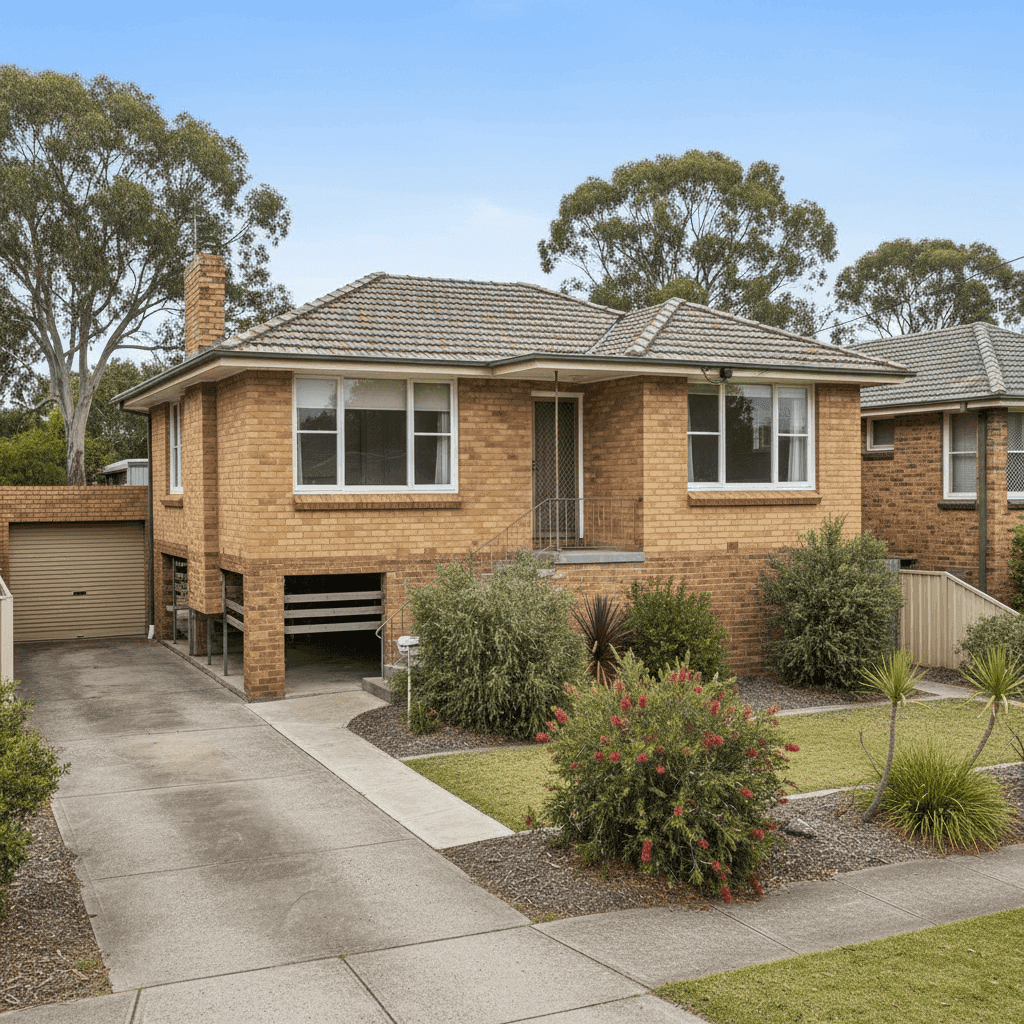
South Windsor, nestled in the Hawkesbury region of New South Wales, is a well-established suburb with a mix of older character homes and growing residential streets. This analysis looks at a recent home and contents insurance quote for a three-bedroom, free-standing brick veneer home in the area — and whether the premium stacks up against what other homeowners are paying locally, across NSW, and nationally.
---
Is This Quote Fair?
The quote in question comes in at $2,824 per year (or $264/month) for combined home and contents cover, with a building sum insured of $305,000 and contents valued at $50,000. The building excess is set at $2,000, and the contents excess at $1,000.
Based on CoverClub's pricing data, this quote is rated Expensive — above average for the South Windsor area. The suburb average sits at $2,198/year, and the median is notably lower at $1,720/year. That means this particular quote is running about $626 above the local average and over $1,100 more than what the typical South Windsor homeowner pays at the median.
That said, "expensive" doesn't automatically mean "wrong." A higher-than-average premium can be justified by the specific characteristics of a property — and in this case, there are a few features worth examining closely. But it does signal that shopping around could be worthwhile.
---
How South Windsor Compares
Understanding where South Windsor sits in the broader insurance landscape helps put this quote in perspective.
| Benchmark | Annual Premium |
|---|---|
| This Quote | $2,824 |
| Suburb Average (South Windsor) | $2,198 |
| Suburb Median (South Windsor) | $1,720 |
| Suburb 25th Percentile | $1,391 |
| Suburb 75th Percentile | $2,606 |
| NSW Average | $9,528 |
| NSW Median | $3,770 |
| National Average | $5,347 |
| National Median | $2,764 |
| LGA Average (Hawkesbury) | $11,842 |
Based on 29 quotes collected for the South Windsor 2756 postcode. [View full suburb stats →](https://coverclub.com.au/stats/NSW/2756/south-windsor)
A few things stand out here. First, South Windsor's premiums are significantly lower than both the NSW and national averages — which is good news for homeowners in the area. The NSW state average of $9,528/year is nearly four times the local median, largely skewed by high-risk coastal and flood-prone areas across the state. Similarly, the national average of $5,347/year is well above what most South Windsor residents are paying.
The LGA average for Hawkesbury is an eye-catching $11,842/year — but this figure is heavily influenced by flood-exposed properties along the Hawkesbury River, which push averages up dramatically. South Windsor itself, while not immune to weather events, tends to attract more moderate premiums than some of its riverside neighbours.
This quote, at $2,824/year, sits above the suburb's 75th percentile of $2,606 — meaning it's more expensive than roughly three-quarters of quotes in the area. That's worth paying attention to.
---
Property Features That Affect Your Premium
Several characteristics of this property are likely influencing the premium, both up and down.
Brick veneer construction is generally viewed favourably by insurers. It's durable, fire-resistant, and relatively low-maintenance compared to timber weatherboard homes. This should, in theory, help keep the premium down.
Tiled roofing is similarly regarded as a lower-risk roofing type — tiles are long-lasting and perform well in most weather conditions, unlike older corrugated iron or fibrous cement options.
Stump foundations are a defining feature of older Australian homes, particularly those built in the mid-20th century. This property, constructed in 1974, sits on stumps and is elevated by less than one metre. While this style of construction is common in the region, it can be a flag for insurers — elevated homes on stumps may be assessed differently depending on the underwriter, and some policies apply stricter terms to properties with subfloor access.
Ducted climate control adds meaningful value to the building sum insured. These systems are costly to repair or replace, and their inclusion in the insured sum can push premiums upward — especially when the building is insured for $305,000.
Carpet flooring and standard fittings suggest a modest, practical interior — which typically keeps contents valuations reasonable. The $50,000 contents figure is fairly conservative, which is appropriate for a home of this size and fit-out.
The absence of a pool, solar panels, or cyclone risk are all neutral-to-positive factors. No cyclone rating for this area is particularly relevant, as cyclone-prone postcodes in Queensland and northern WA can attract substantial loading.
---
Tips for Homeowners in South Windsor
If you're a homeowner in South Windsor looking to get better value from your insurance, here are some practical steps worth considering.
1. Compare quotes before renewing Loyalty doesn't always pay in home insurance. Insurers regularly offer better rates to new customers, and the gap between the cheapest and most expensive quotes in South Windsor is significant — from $1,391 at the 25th percentile to $2,606 at the 75th. Getting a fresh quote takes minutes and could save you hundreds.
2. Review your sum insured carefully A building sum insured of $305,000 for a 130 sqm home works out to roughly $2,346 per square metre — which is within a reasonable range for brick veneer construction in regional NSW, but worth verifying with a building cost calculator. Overinsuring pushes your premium up unnecessarily; underinsuring leaves you exposed at claim time.
3. Consider adjusting your excess This quote carries a $2,000 building excess and a $1,000 contents excess. Opting for a higher voluntary excess can meaningfully reduce your annual premium — just ensure you'd be comfortable covering that amount out of pocket in the event of a claim.
4. Check what's actually covered Older homes built in the 1970s on stump foundations can sometimes face exclusions or limitations around subfloor damage, gradual deterioration, or pest-related issues. Read the Product Disclosure Statement (PDS) carefully to understand what your policy does — and doesn't — cover.
---
Compare Your Options with CoverClub
Whether you're renewing your existing policy or shopping for the first time, it pays to see what else is out there. CoverClub makes it easy to compare home and contents insurance quotes across a range of Australian insurers — all in one place, without the back-and-forth.