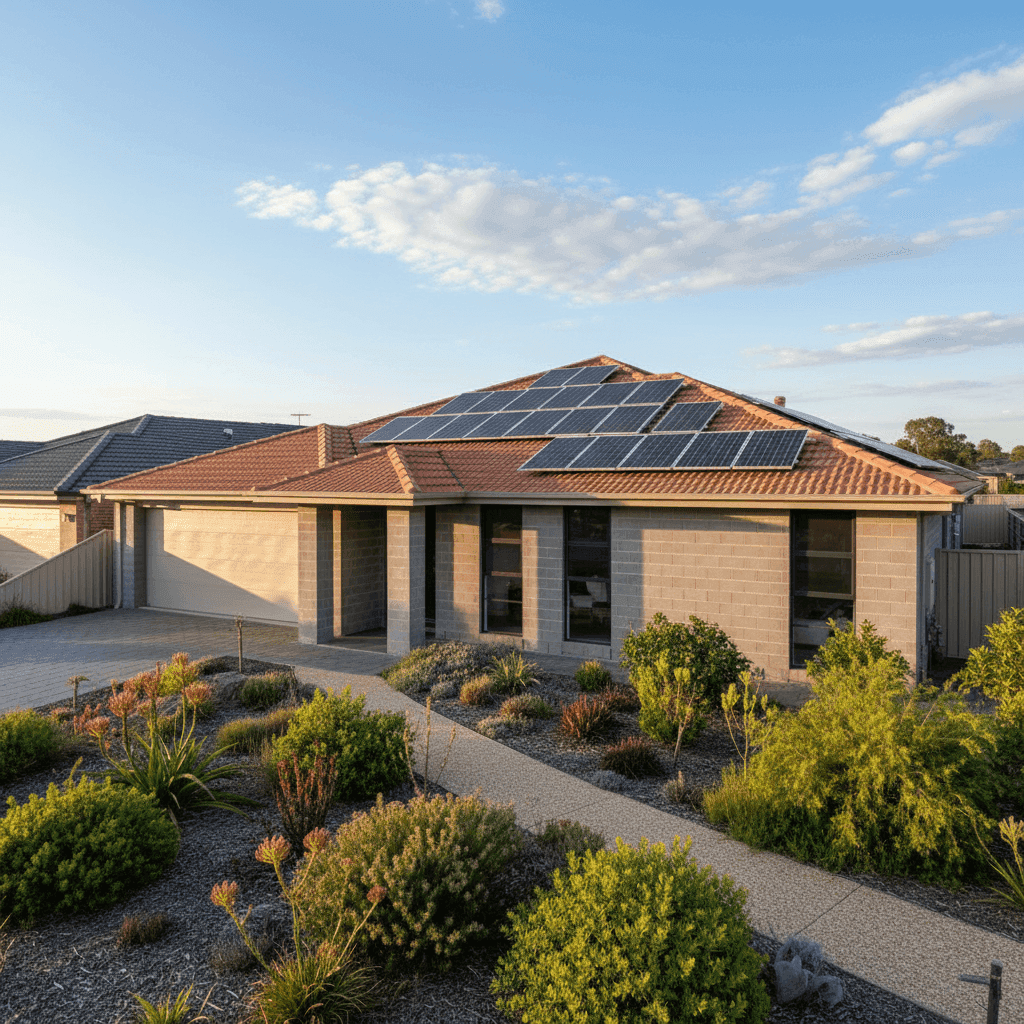
Southern River is a well-established residential suburb in Perth's south-eastern corridor, sitting within the City of Gosnells. Known for its family-friendly streets, modern housing stock, and proximity to the Tonkin Highway, it's a popular choice for homeowners seeking space without straying too far from the city. This article takes a close look at a building-only insurance quote for a five-bedroom, two-bathroom free-standing home in Southern River — and breaks down exactly what the numbers mean for you.
---
Is This Quote Fair?
The quote in question comes in at $938 per year (or roughly $97 per month) for building-only cover on a home insured for $500,000, with a building excess of $3,000. CoverClub's pricing engine has rated this quote as FAIR — Around Average.
That rating holds up well under scrutiny. The suburb average for comparable quotes in Southern River sits at $1,348 per year, meaning this particular quote is tracking about 30% below the local average — a meaningful saving. Against the suburb median of $1,421 per year, the gap is even wider.
It's worth noting that the 25th percentile for the suburb is $832 per year, so there are cheaper quotes available in the market. However, landing below the suburb average while maintaining $500,000 in building cover is a solid outcome for most homeowners. The $3,000 excess is on the higher side, which is a key reason the premium is kept relatively low — a higher excess means you're taking on more of the initial cost in the event of a claim, which insurers reward with a reduced annual premium.
---
How Southern River Compares
To put this quote in full context, it helps to zoom out and look at the broader pricing landscape. Here's how Southern River stacks up:
| Benchmark | Annual Premium |
|---|---|
| This Quote | $938 |
| Southern River Suburb Average | $1,348 |
| Southern River Suburb Median | $1,421 |
| City of Gosnells LGA Average | $1,427 |
| WA State Average | $2,811 |
| WA State Median | $2,127 |
| National Average | $5,347 |
| National Median | $2,764 |
The figures are striking. Home insurance premiums across Western Australia average $2,811 per year, more than double what this Southern River homeowner is paying. Nationally, the picture is even more dramatic — the Australian average sits at $5,347 per year, driven largely by high-risk areas in Queensland, northern WA, and parts of the Northern Territory where cyclone, flood, and storm risk push premiums sharply upward.
Southern River's relatively modest premiums reflect a number of favourable risk factors: it's not in a designated cyclone risk zone, it's not a flood-prone coastal area, and the suburb's housing stock is comparatively modern. You can explore the full breakdown of local pricing data on the Southern River suburb stats page, or compare it against all of WA and the national picture.
---
Property Features That Affect Your Premium
Every home is different, and insurers weigh a range of physical characteristics when calculating your premium. Here's how the features of this particular property influence what you pay:
Concrete external walls are viewed favourably by insurers. Concrete is highly resistant to fire, impact damage, and general wear — making it one of the more durable wall materials available. Compared to weatherboard or lightweight cladding, concrete homes typically attract lower premiums.
Tiled roof is another positive signal. Terracotta and concrete tiles are among the most durable roofing materials on the market, offering strong resistance to fire and wind damage. They're a common choice in Perth's climate and are well-regarded by underwriters.
Slab foundation is standard for homes of this era and construction type in WA. Slabs are stable, low-maintenance, and present minimal subsidence risk in most Perth suburban environments.
Tiled flooring is a practical, durable choice that reduces the risk of water damage claims — particularly relevant in bathrooms, kitchens, and living areas.
Built in 2014, this home benefits from relatively modern construction standards. Homes built after major updates to the National Construction Code tend to incorporate better structural integrity, energy efficiency, and bushfire or storm resilience depending on the region.
Solar panels are increasingly common on Perth homes given the city's exceptional sunshine hours. While solar panels can add a small amount of complexity to an insurance policy (they're generally covered under building insurance as a fixed fixture), they don't significantly inflate premiums in most cases.
Ducted climate control is a high-value fixed inclusion that is typically covered under building insurance. Its presence contributes to the overall sum insured but doesn't materially change the risk profile of the property.
At 286 square metres, this is a generously sized home — and the $500,000 sum insured reflects that. Getting the sum insured right is critical: underinsurance is one of the most common and costly mistakes homeowners make.
---
Tips for Homeowners in Southern River
1. Review your sum insured annually. Building costs in Perth have risen significantly over the past few years due to labour shortages and material price increases. A sum insured that was adequate in 2021 may no longer cover full rebuilding costs today. Use a building cost calculator or speak with a quantity surveyor to make sure your $500,000 cover still reflects current rebuild values.
2. Consider whether your excess is working for you. A $3,000 building excess keeps this premium competitive, but it means you'll be out of pocket for that amount before your insurer steps in. If you'd prefer a lower excess — particularly if you have limited savings to draw on in an emergency — it's worth getting comparison quotes with a $1,000 or $2,000 excess to see the premium difference.
3. Don't overlook contents cover. This quote covers building only. If you haven't separately arranged contents insurance, your furniture, appliances, clothing, and personal belongings are unprotected. A combined building and contents policy is often more cost-effective than two separate policies, and it simplifies claims management significantly.
4. Check your solar panels are explicitly covered. Most standard building policies cover solar panels as fixed fixtures, but it's worth confirming with your insurer. Check whether the policy covers panel damage from storms or hail, as well as any liability relating to the system — particularly if you have battery storage installed.
---
Compare Your Options at CoverClub
Whether you're renewing your existing policy or shopping for the first time, comparing quotes is the single most effective way to make sure you're not overpaying. CoverClub makes it easy to see real quotes side by side, with transparent pricing data drawn from thousands of properties across Australia. Get a quote today and find out where your home insurance sits relative to your neighbours — you might be surprised by what you find.