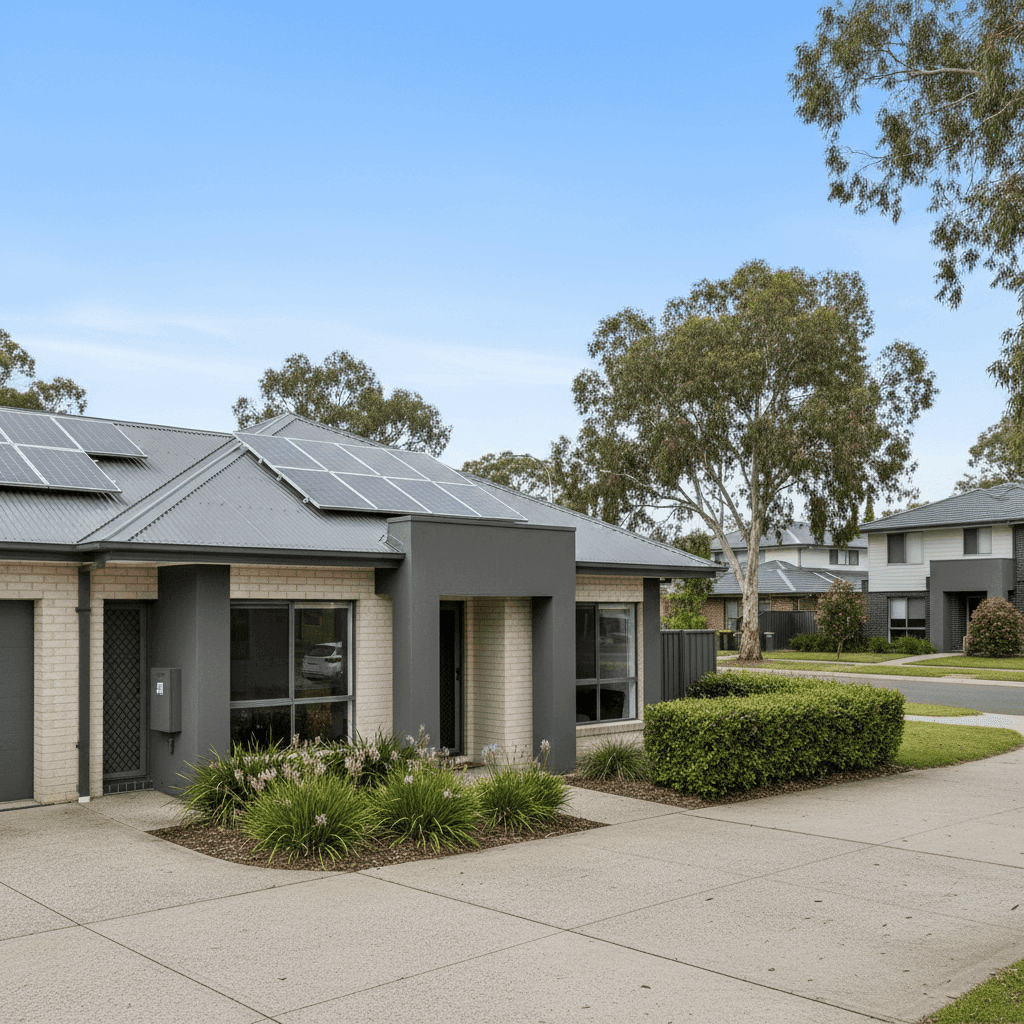
If you own or are considering insuring a townhouse in Southport, QLD 4215, you're probably wondering whether the premium you've been quoted is competitive — or whether you're leaving money on the table. This article breaks down a real home and contents insurance quote for a three-bedroom townhouse in Southport, benchmarks it against local, state, and national data, and offers practical tips to help you get the best possible cover.
---
Is This Quote Fair?
The quote in question comes in at $1,371 per year (or $126/month) for combined home and contents cover, with a building sum insured of $647,000 and contents valued at $63,000. The building excess is $3,000 and the contents excess is $1,000.
Our price rating for this quote is CHEAP — below average — and the numbers back that up convincingly.
To put it in perspective, the average home insurance premium across Southport postcodes sits at $4,099 per year, and the suburb median is $2,984. Even the cheapest quarter of quotes in the area (the 25th percentile) comes in at $1,947 — still $576 more expensive than this quote. That means this premium is genuinely exceptional for the area, not just slightly below average.
For Queensland as a whole, the picture is even starker. The state average premium for QLD is $4,547/yr and the median is $3,931/yr — more than three times the cost of this quote. Nationally, the average home insurance premium is $2,965/yr, which is still more than double what this homeowner is paying.
In short: at $1,371/yr, this is an outstanding result by any measure.
---
How Southport Compares
Southport sits within the Gold Coast LGA, which carries one of the highest average premiums in the country at a hefty $5,494 per year. That's nearly four times the cost of this particular quote, and well above both the Queensland and national averages.
Here's a quick snapshot of how the numbers stack up:
| Benchmark | Annual Premium |
|---|---|
| This Quote | $1,371 |
| Southport 25th Percentile | $1,947 |
| Southport Median | $2,984 |
| Southport Average | $4,099 |
| Southport 75th Percentile | $5,006 |
| QLD State Average | $4,547 |
| National Average | $2,965 |
| Gold Coast LGA Average | $5,494 |
The wide spread of premiums across Southport — from under $1,947 at the cheap end to over $5,006 at the expensive end — reflects just how much individual property characteristics, insurer appetite, and risk assessments can vary within a single suburb. You can explore the full local data on the Southport insurance stats page.
The Gold Coast's elevated premiums are largely driven by flood exposure, storm surge risk, and the high cost of rebuilding in a densely developed coastal market. Not every property in the area carries the same risk profile, however — which is where property-specific features make a significant difference.
---
Property Features That Affect Your Premium
Several characteristics of this particular townhouse help explain why the quote lands so favourably compared to the local average.
New construction (2022) Built just a few years ago, this townhouse benefits from modern building standards, including up-to-date cyclone and storm engineering requirements. Newer homes tend to attract lower premiums because they're less likely to have hidden structural issues and are built to more stringent codes.
Brick veneer walls and Colorbond roof Brick veneer is one of the most insurer-friendly wall materials available — it's durable, fire-resistant, and holds up well in storms. Paired with a steel Colorbond roof, this property has a construction profile that insurers generally view favourably. Colorbond roofs are resistant to rust, lightweight, and designed for Australian conditions.
Slab foundation Concrete slab foundations are considered low-risk by most insurers. Unlike older homes with suspended timber floors or stumps, a slab offers stability and reduces the likelihood of subsidence or pest-related structural damage.
Not in a cyclone risk zone Despite being on the Gold Coast, this property is not classified as being in a cyclone risk area — a meaningful factor given that cyclone-rated premiums in parts of Queensland can be dramatically higher.
Body corporate / strata property As a strata-titled townhouse, the body corporate is typically responsible for insuring the building structure itself. This means the building sum insured here ($647,000) may reflect the owner's portion of the building or a top-up policy, and the overall insurance burden is often shared across the strata scheme. This can reduce individual premiums considerably compared to a freestanding home.
Solar panels The property has solar panels, which some insurers factor into their risk assessment. It's worth confirming that your policy explicitly covers solar panel damage — not all standard policies include this automatically.
Timber/laminate flooring While generally considered a mid-range risk for contents claims (compared to, say, polished concrete or carpet), timber and laminate floors can be susceptible to water damage. Ensuring your contents policy covers accidental water damage is worthwhile.
---
Tips for Homeowners in Southport
1. Confirm your strata building cover is adequate In a body corporate arrangement, it's critical to understand exactly what the strata building policy covers and where it ends. Your individual policy should fill any gaps — particularly for internal fixtures, fittings, and any improvements you've made to the unit.
2. Check that solar panels are explicitly covered Ask your insurer to confirm in writing that solar panels are included under your building cover. Some policies treat them as standard fixtures; others require a specific endorsement. Given the cost of replacing a solar system, it's not worth assuming.
3. Review your contents sum insured regularly At $63,000, the contents value here is relatively modest. Take time to inventory your belongings — furniture, electronics, appliances, clothing, and valuables — to make sure you're not underinsured. Underinsurance is one of the most common and costly mistakes homeowners make.
4. Maintain a high building excess strategically The $3,000 building excess on this policy is on the higher side, which is one reason the premium is so competitive. If you have the financial buffer to cover a $3,000 out-of-pocket cost in the event of a claim, this is a smart trade-off. Just make sure you're comfortable with that threshold before renewing.
---
Compare Your Own Quote
Whether you're a Southport local or insuring a property elsewhere in Queensland, it pays to benchmark your premium against the market. Prices vary enormously between insurers — sometimes by thousands of dollars for identical cover.
Get a home insurance quote at CoverClub and see how your premium stacks up against real data from your suburb, your state, and across Australia. It takes minutes and could save you significantly at renewal time.