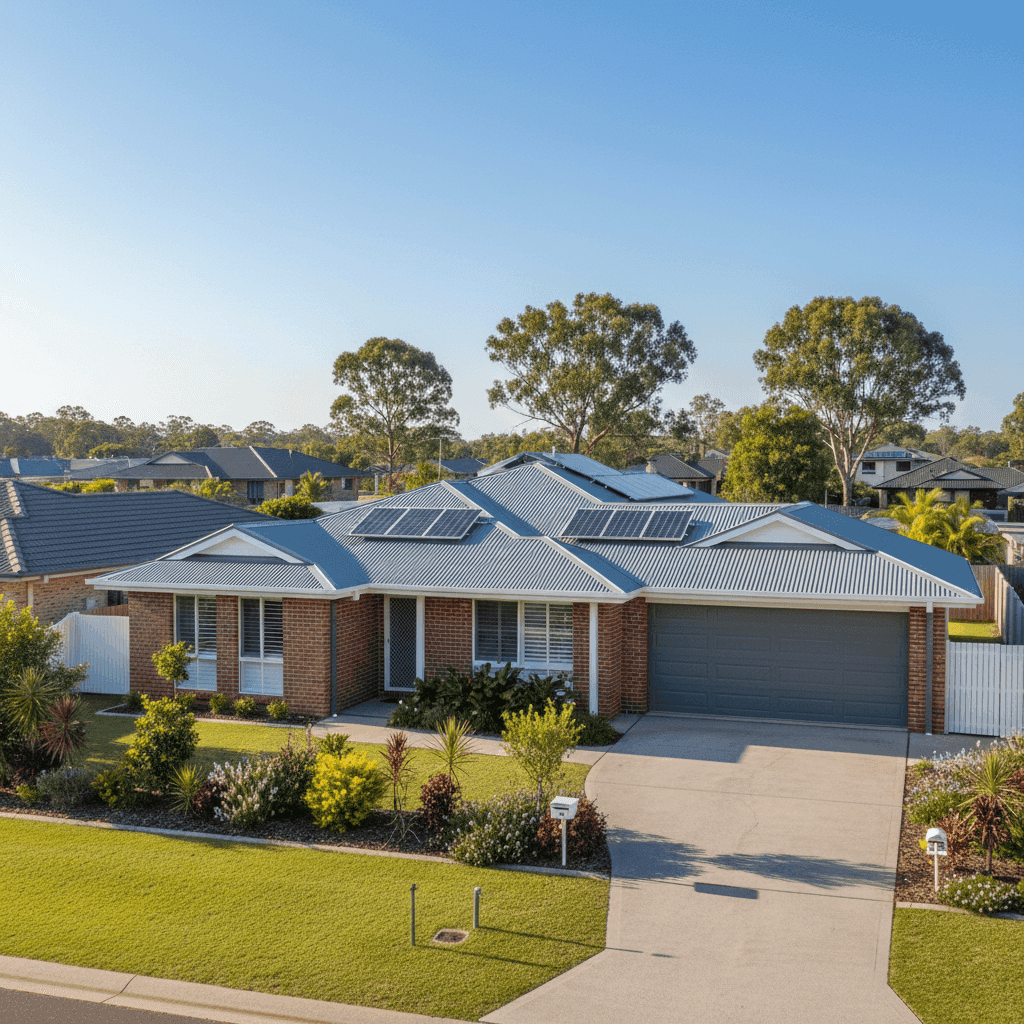
Southport, sitting at the heart of the Gold Coast, is one of Queensland's most dynamic suburban centres — and like much of South East Queensland, it comes with its own unique set of home insurance considerations. This article breaks down a real home and contents insurance quote for a six-bedroom, free-standing brick veneer home in Southport (QLD 4215), rated Fair (Around Average) by CoverClub's pricing engine. Whether you're a homeowner looking to benchmark your own premium or simply curious about what insurance costs in this area, read on.
---
Is This Quote Fair?
The annual premium for this property came in at $3,648 per year (or $350/month), covering both building (insured at $1,007,000) and contents ($22,000), each with a $1,000 excess.
CoverClub's price rating system has assessed this quote as Fair — Around Average, which is a reasonable outcome for a property of this size and age. Here's what that means in context:
- The suburb average for Southport is $4,415/yr, meaning this quote sits comfortably below the local average — a positive sign.
- However, the suburb median is $2,903/yr, which tells us that roughly half of Southport homeowners are paying less than this quote. The median is often a more reliable benchmark than the average, as it's less distorted by extreme high-end premiums.
- At $3,648/yr, this quote falls between the suburb's 25th percentile ($1,863/yr) and 75th percentile ($4,469/yr), placing it squarely in the middle range of what Southport residents are paying.
So while it's not the cheapest quote available, it's far from the most expensive — and for a large, older home with solar panels and ducted climate control, there are good reasons the premium lands where it does.
---
How Southport Compares
One of the most striking takeaways from this data is just how favourably Southport compares to broader Queensland benchmarks. You can explore the full picture on the Southport suburb stats page.
| Benchmark | Average Premium | Median Premium |
|---|---|---|
| Southport (4215) | $4,415/yr | $2,903/yr |
| Gold Coast LGA | $8,161/yr | — |
| Queensland | $9,129/yr | $3,903/yr |
| National | $5,347/yr | $2,764/yr |
The numbers tell a clear story. Queensland's average home insurance premium of $9,129/yr is among the highest in the country — largely driven by cyclone-prone regions in North and Far North Queensland, where premiums can be eye-watering. You can see this in detail on the QLD state stats page.
Southport, by contrast, is not classified as a cyclone risk area, which makes a significant difference. Even the Gold Coast LGA average of $8,161/yr is pulled upward by higher-risk pockets within the region. Southport's suburb-level figures are considerably more moderate.
Compared to the national average of $5,347/yr, this quote of $3,648/yr is also below the mark — a reassuring result for homeowners in this postcode.
---
Property Features That Affect Your Premium
Every home is different, and insurers price risk based on a detailed combination of construction, location, and features. Here's how the key characteristics of this property influence the premium:
Age and Construction (Built 1973, Brick Veneer)
At over 50 years old, this home is considered a mature property by insurers. Older homes can carry higher rebuild risk due to outdated wiring, plumbing, or materials that no longer meet current building codes. That said, brick veneer construction is generally viewed favourably — it's durable, fire-resistant, and widely used across Queensland suburbs. The steel/Colorbond roof is also a practical choice, offering good resilience against hail and general weathering.
Building Size and Sum Insured
At 363 sqm with a building sum insured of $1,007,000, this is a substantial property. Larger homes cost more to rebuild, and the sum insured reflects that. It's essential that the sum insured accurately represents the full cost of rebuilding — not the market value — to avoid being underinsured in a claim.
Solar Panels
The presence of solar panels adds a layer of complexity for insurers. Panels represent an additional asset that can be damaged by storms, hail, or fire, and they also introduce electrical system considerations. Most policies cover solar panels as part of the building, but it's worth confirming the specifics with your insurer.
Ducted Climate Control
Ducted air conditioning systems are a significant fixture and are typically covered under building insurance. These systems are costly to repair or replace, which can marginally influence the premium — but they also indicate a well-appointed home, which may factor into the sum insured calculation.
Slab Foundation and Vinyl Flooring
A concrete slab foundation is standard for Queensland homes of this era and is generally considered low-risk by insurers. Vinyl flooring is practical and relatively inexpensive to replace compared to timber or stone alternatives, which can work in the homeowner's favour when assessing contents and building fit-out values.
No Pool
The absence of a swimming pool removes one common source of liability risk and potential claims (think storm debris, equipment failure, or safety incidents), which can keep premiums slightly lower.
---
Tips for Homeowners in Southport
If you own a home in Southport — or are thinking about buying — here are some practical steps to make sure you're getting the right cover at a fair price.
1. Review Your Sum Insured Annually
Building costs have risen sharply across Australia in recent years. A sum insured that was adequate two years ago may no longer cover a full rebuild today. Use a building cost calculator or speak with a quantity surveyor to ensure your coverage keeps pace with construction cost inflation.
2. Don't Overlook Contents Coverage
At $22,000, the contents sum insured in this quote is relatively modest for a six-bedroom, four-bathroom home. Consider whether your furniture, appliances, electronics, clothing, and valuables are fully accounted for. Underinsuring contents is a common mistake that only becomes apparent at claim time.
3. Compare Multiple Quotes
CoverClub's data is drawn from 54 quotes in the Southport suburb alone — and the spread between the 25th percentile ($1,863/yr) and the 75th percentile ($4,469/yr) is enormous. That's a potential saving of over $2,600 per year for the same suburb and similar properties. Shopping around genuinely pays off.
4. Ask About Discounts for Safety Features
Homes with monitored alarm systems, deadbolts, and other security measures may qualify for premium discounts. Given the age of this property, it may be worth upgrading certain security features — both for peace of mind and potential savings.
---
Ready to Compare Your Own Quote?
Whether you're paying too much or just want to make sure you're getting value, CoverClub makes it easy to benchmark your home insurance premium against real data from your suburb, your state, and across Australia. Get a quote today and see exactly where you stand — no obligation, no jargon, just clear and honest comparisons.