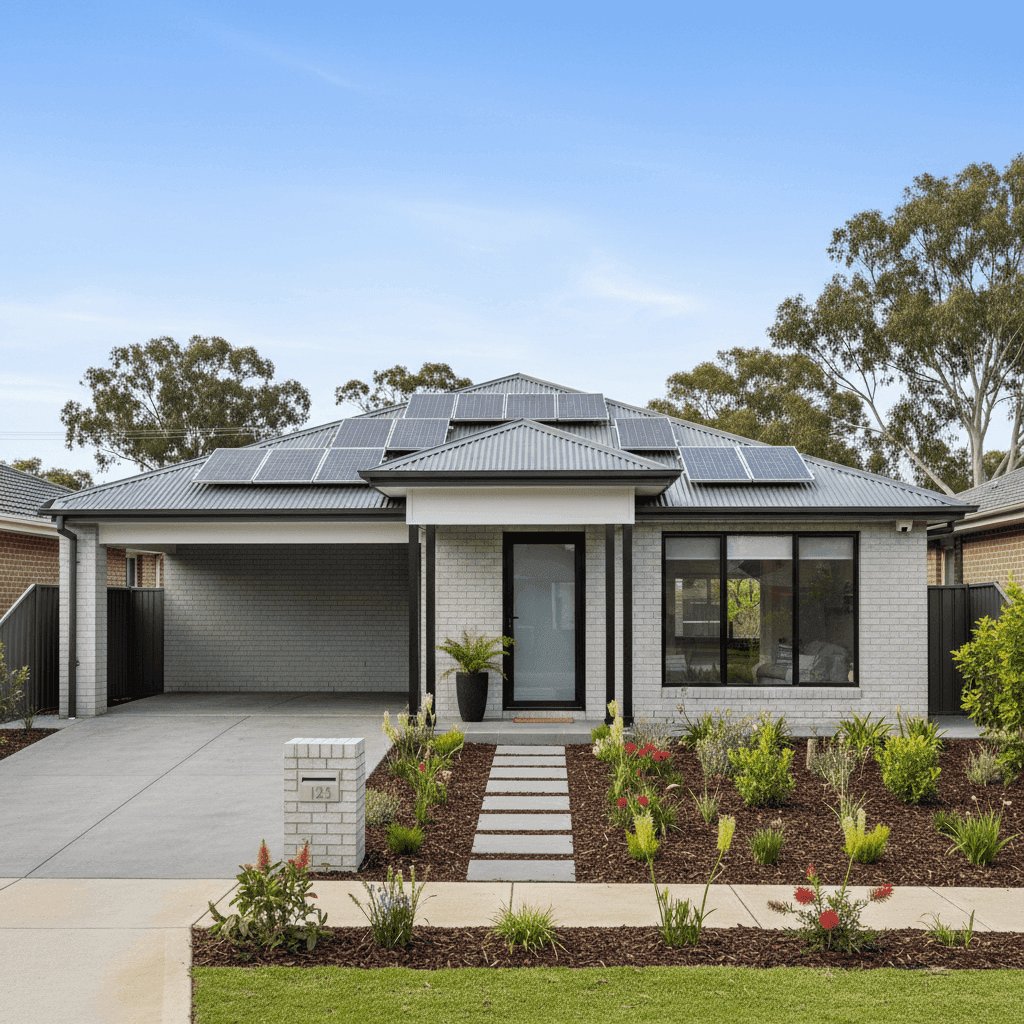
Southside is a well-established residential suburb in the Fraser Coast region of Queensland, sitting within postcode 4570. For owners of free standing homes here, understanding what drives your insurance premium — and whether you're paying a fair price — can make a real difference to your household budget. This article breaks down a recent home and contents insurance quote for a four-bedroom, brick veneer home in Southside, comparing it against local, state, and national benchmarks to help you make a more informed decision.
---
Is This Quote Fair?
The quote in question comes in at $3,304 per year (or $310 per month) for combined home and contents cover, with a building sum insured of $652,000 and contents valued at $131,000. Both the building and contents excess are set at $1,000 each.
Our price rating for this quote is FAIR — Around Average. That's a reasonable outcome, but it's worth unpacking what "average" actually means in this context, because the numbers tell an interesting story.
Compared to the Southside suburb average of $5,426/yr, this quote sits notably below the mean — which is a good sign. However, the suburb median premium is $3,152/yr, meaning roughly half of comparable quotes in the area come in lower than this one. So while the quote is well below what some Southside homeowners are paying, there is room to potentially do better.
The spread of premiums in this suburb is quite wide: the 25th percentile sits at $2,532/yr and the 75th percentile reaches $5,946/yr. That's a range of over $3,400 between the cheaper and more expensive quartiles, which underscores just how much variation exists — and why shopping around is so worthwhile.
---
How Southside Compares
To put this quote into proper perspective, here's how it stacks up across different geographic levels:
| Benchmark | Average Premium | Median Premium |
|---|---|---|
| Southside (4570) | $5,426/yr | $3,152/yr |
| Queensland | $4,547/yr | $3,931/yr |
| National | $2,965/yr | $2,716/yr |
| Fraser Coast LGA | $4,810/yr | — |
A few things stand out here. First, Queensland premiums are significantly higher than the national average — by roughly $1,500/yr on average. This reflects the elevated weather and climate risks that come with living in Queensland, including storm, flood, and hail exposure. The Fraser Coast LGA average of $4,810/yr sits between the state average and the Southside suburb average, suggesting localised risk factors are pushing costs up in parts of this postcode.
At $3,304/yr, this quote beats both the suburb and state averages comfortably, and sits just above the suburb median. For a property of this size and value in regional Queensland, that's a competitive outcome — though not the sharpest price available in the market.
---
Property Features That Affect Your Premium
Several characteristics of this property have a meaningful influence on the insurance premium:
Brick Veneer Construction Brick veneer walls are generally viewed favourably by insurers. They offer solid fire resistance and structural durability compared to lightweight cladding materials. This typically contributes to a more competitive premium.
Steel/Colorbond Roof Colorbond steel roofing is one of the most insurer-friendly roof types in Australia. It's durable, low-maintenance, and performs well in high-wind and hail events. Homes with older tile or fibrous cement roofs often attract higher premiums, so this is a positive factor here.
Concrete Slab Foundation A slab-on-ground foundation is standard for homes built in this era and region. It avoids the subsidence and moisture risks sometimes associated with older raised timber stumps, which insurers tend to price more cautiously.
Solar Panels The presence of solar panels adds some value to the property that needs to be reflected in the sum insured. Some insurers cover rooftop solar as part of the building, while others require it to be specifically noted. It's worth confirming with your insurer exactly how your solar system is covered — particularly for storm or hail damage.
Built in 2009 At around 15–16 years old, this home is relatively modern. Newer builds generally benefit from up-to-date construction standards, better electrical wiring, and more resilient materials, all of which can work in your favour at claims time and when insurers assess risk.
214 sqm Building Size and Standard Fittings A 214 sqm home with standard-quality fittings is a sensible combination for the $652,000 building sum insured. Ensuring your sum insured accurately reflects the full cost of rebuilding (not the market value) is critical — underinsurance is one of the most common and costly mistakes homeowners make.
---
Tips for Homeowners in Southside
1. Check Your Rebuild Cost Annually Construction costs in Queensland have risen sharply in recent years. The $652,000 building sum insured may be appropriate today, but it's worth reviewing this figure each renewal using a building cost calculator or by consulting a quantity surveyor. Being underinsured can leave you significantly out of pocket after a major claim.
2. Confirm Solar Panel Coverage With solar panels on the roof, make sure your policy explicitly covers them — including damage from hail, storms, and accidental breakage. Ask your insurer whether the panels are included under the building definition or need to be listed separately.
3. Compare Quotes Before Each Renewal The wide premium spread in Southside (from $2,532 to $5,946/yr) shows that insurers price this suburb very differently. Loyalty doesn't always pay — many insurers offer better rates to new customers. Make it a habit to compare quotes at CoverClub before accepting your renewal offer.
4. Review Your Contents Sum Insured At $131,000, the contents cover is a significant component of this policy. Take time to do a proper home inventory — many Australians underestimate the replacement cost of furniture, appliances, clothing, and electronics. An accurate contents figure protects you from a shortfall when it matters most.
---
Ready to Compare?
Whether you're renewing your existing policy or shopping for cover for the first time, it pays to see what the broader market has to offer. CoverClub makes it easy to compare home and contents insurance quotes for properties across Southside and the wider Fraser Coast region. Get a quote today and see how your premium stacks up — you might be surprised by the savings available.
For more localised data on insurance costs in this area, visit the Southside suburb stats page or explore Queensland-wide insurance trends.