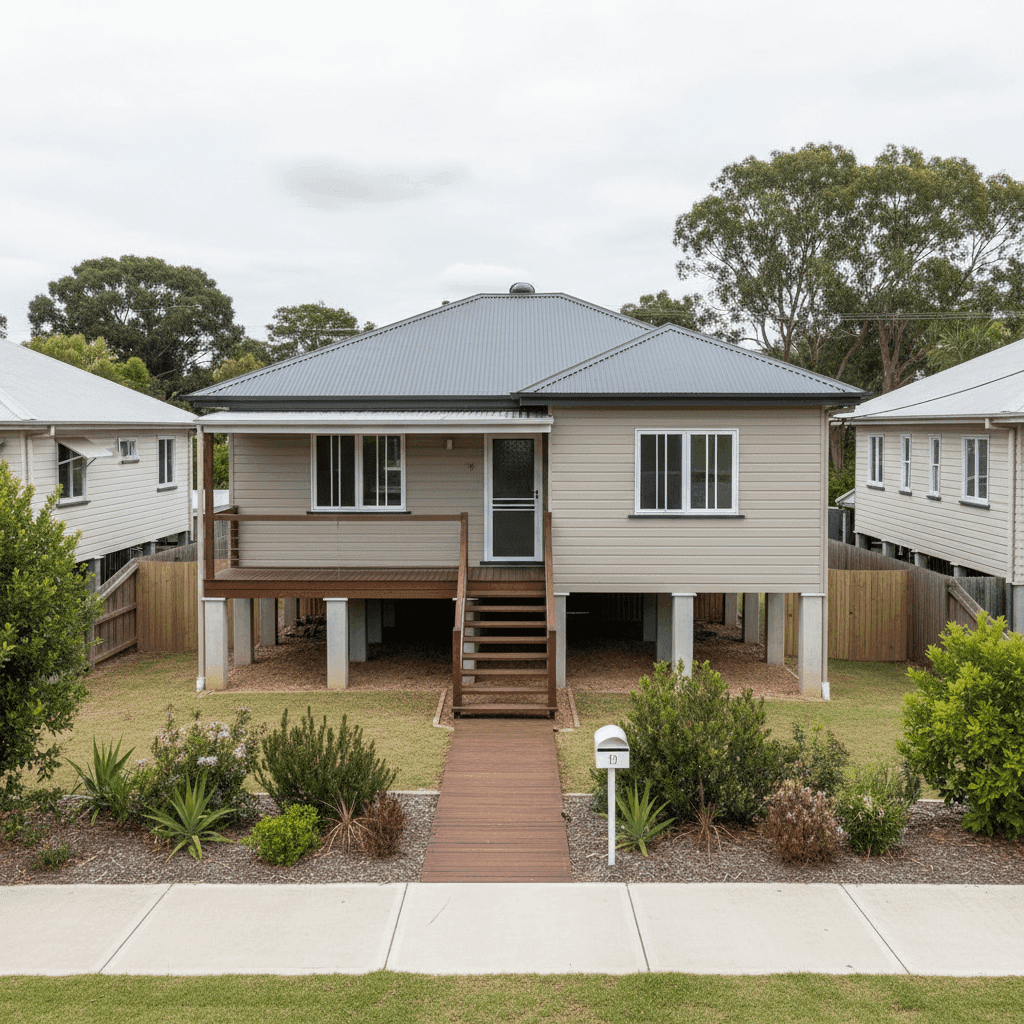
If you own a free standing home in Southside, QLD 4570, you're probably curious about whether the building insurance premium you've been quoted is competitive — or whether you're leaving money on the table. This analysis breaks down a real building-only insurance quote for a three-bedroom, one-bathroom weatherboard home in the suburb, and puts it in context against local, state, and national benchmarks.
---
Is This Quote Fair?
The short answer: yes, and then some. The quote in question comes in at $2,486 per year (or $231 per month), which earns a CHEAP — Below Average price rating. That's a meaningful distinction in Queensland, where premiums can vary wildly depending on flood zones, cyclone exposure, and construction type.
To put it plainly, this quote sits well below the suburb average of $4,137 per year and also undercuts the suburb median of $3,464 per year. It even falls below the 25th percentile for Southside, which sits at $2,735 per year — meaning this premium is cheaper than at least 75% of comparable quotes collected in the area. For a building sum insured of $400,000, that's a genuinely strong result.
The building excess is set at $1,000, which is a standard and reasonable level for Queensland properties. A higher excess can reduce your premium further if you're comfortable absorbing more out-of-pocket cost in the event of a claim, but $1,000 strikes a sensible balance for most homeowners.
---
How Southside Compares
Understanding where Southside sits relative to broader benchmarks helps put this quote in perspective. Based on data from 54 quotes collected in the Southside area:
| Benchmark | Premium |
|---|---|
| This Quote | $2,486/yr |
| Suburb 25th Percentile | $2,735/yr |
| Suburb Median | $3,464/yr |
| Suburb Average | $4,137/yr |
| Suburb 75th Percentile | $5,370/yr |
| LGA (Fraser Coast) Average | $4,810/yr |
| QLD State Average | $9,129/yr |
| QLD State Median | $3,903/yr |
| National Average | $5,347/yr |
| National Median | $2,764/yr |
A few things stand out here. The Queensland state average of $9,129 per year looks alarming at first glance, but it's heavily skewed by high-risk coastal and cyclone-prone areas in Far North Queensland. The state median of $3,903 is a more representative figure, and this quote still beats it comfortably.
Compared to the national median of $2,764, this quote is slightly below — a positive sign that the property's risk profile is being assessed favourably. The Fraser Coast LGA average of $4,810 further reinforces that this premium is well below what many homeowners in the region are paying.
---
Property Features That Affect Your Premium
Several characteristics of this particular property influence how insurers price the risk. Here's what's at play:
Construction Era and Materials
Built in 1947, this home falls into the pre-war and early post-war category — a period when weatherboard timber construction was the norm across regional Queensland. Weatherboard wood external walls are generally considered a higher fire risk than brick veneer or double brick, and older homes can carry elevated replacement costs due to non-standard materials and labour. Despite this, the quote remains competitive.
Roof Type
The steel/Colorbond roof is a positive factor here. Colorbond is a modern, durable roofing material that performs well in Queensland's climate — resistant to corrosion, fire-rated, and relatively low maintenance. Insurers tend to view it more favourably than older materials like terracotta tiles or corrugated iron in poor condition.
Foundation: Stumps
The home sits on timber or concrete stumps, which is very common for Queensland homes of this era. Stumped foundations offer good ventilation and some resilience to ground movement, but they can be a consideration for insurers assessing flood risk or structural integrity in older properties. Given the competitive premium, this doesn't appear to be a red flag for this particular location.
Flooring and Fittings
Vinyl flooring and standard-quality fittings keep the replacement cost estimate grounded. High-end finishes — think engineered timber floors, stone benchtops, or custom joinery — push up the sum insured and, in turn, the premium. Standard fittings at a $400,000 sum insured for 214 sqm is a reasonable and defensible position.
Ducted Climate Control
The presence of ducted climate control is factored into the building sum insured. These systems can cost tens of thousands of dollars to replace and are a legitimate inclusion in the $400,000 coverage figure.
No Pool, No Solar
The absence of a pool and solar panels simplifies the risk profile slightly. Both add value and complexity to a property — pools carry liability considerations, and solar panels add replacement cost. Without them, the insurer has fewer variables to price in.
---
Tips for Homeowners in Southside
Whether you're reviewing your existing policy or shopping around for the first time, here are some practical steps to make sure you're getting the best outcome.
- Review your sum insured annually. Building costs in regional Queensland have risen significantly in recent years due to labour shortages and material price increases. A sum insured that was accurate two years ago may no longer reflect what it would actually cost to rebuild your home today. Use a building cost calculator or speak with a local builder to get a realistic estimate.
- Check your flood and water damage definitions carefully. Southside sits within the Gympie region, which has experienced significant flooding events historically. Make sure your policy clearly defines what's covered under storm surge, riverine flooding, and flash flooding — these are not always the same thing, and some policies exclude certain flood types.
- Consider whether building-only cover is sufficient. This quote covers the building structure only. If you have valuable contents — furniture, appliances, electronics, clothing — a separate contents policy or a combined building and contents policy may be worth comparing. Get a quote at CoverClub to see what combined cover looks like for your property.
- Don't automatically renew without comparing. Insurers often increase premiums at renewal without a corresponding change in your risk profile. The fact that this quote is already below the suburb's 25th percentile suggests the market is competitive — it's worth checking at least one or two alternatives before committing.
---
Compare Your Own Quote
Whether this is your home or you're simply curious about what building insurance costs in Southside, the best way to know if you're getting a fair deal is to compare. CoverClub aggregates real quotes from across Australia so you can see exactly where your premium sits relative to your neighbours — and find a better deal if one exists. Start comparing home insurance quotes today and see what's available for your property.