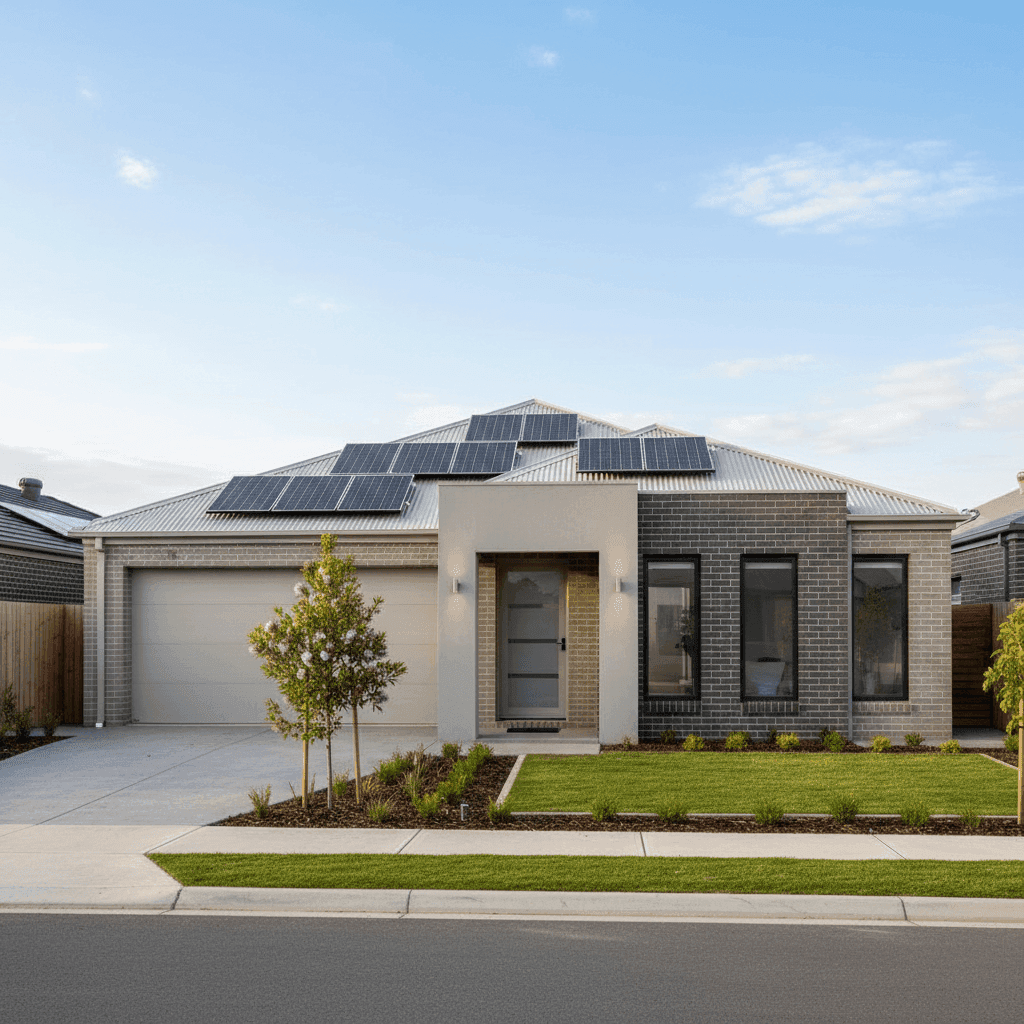
Spring Farm, nestled in the Wollondilly local government area of South-West Sydney, has grown rapidly over the past decade into one of the region's most popular master-planned communities. For owners of a free standing home in this suburb, understanding what you should be paying for building insurance — and why — can make a meaningful difference to your household budget. This article breaks down a real building-only insurance quote for a four-bedroom, three-bathroom brick veneer home in Spring Farm, and puts the numbers in context against local, state and national benchmarks.
---
Is This Quote Fair?
The quote in question comes in at $1,829 per year (or $175 per month) for building-only cover on a home with a sum insured of $1,298,000. Our price rating for this quote is Expensive — Above Average.
To put that in perspective, the suburb average premium for Spring Farm sits at $1,248 per year, and the median is considerably lower at $899 per year. This quote lands well above both figures, and also exceeds the suburb's 75th percentile of $1,296 per year — meaning it is pricier than at least three-quarters of comparable quotes we've seen in the area.
That said, it's worth noting that the sum insured here is $1,298,000 — a substantial figure that reflects the cost of rebuilding a modern, well-appointed 235 sqm home from scratch. Higher replacement values naturally attract higher premiums, and this is likely one of the key drivers pushing this quote above the local average. The building excess of $5,000 is also on the higher end, which typically works to reduce a premium rather than inflate it — so if anything, the underlying base rate from this insurer appears particularly steep for this property profile.
---
How Spring Farm Compares
Understanding where Spring Farm sits in the broader insurance landscape is useful context for any homeowner shopping around.
| Benchmark | Average Premium | Median Premium |
|---|---|---|
| Spring Farm (2570) | $1,248/yr | $899/yr |
| Wollondilly LGA | $2,297/yr | — |
| NSW | $9,528/yr | $3,770/yr |
| National | $5,347/yr | $2,764/yr |
(Based on available quote data. See [Spring Farm suburb stats](https://coverclub.com.au/stats/NSW/2570/spring-farm), [NSW state stats](https://coverclub.com.au/stats/NSW), and [national stats](https://coverclub.com.au/stats/national) for the latest figures.)
A few things stand out here. First, Spring Farm is actually quite affordable relative to the broader NSW market — the state average of $9,528 is eye-watering by comparison, heavily influenced by high-risk areas such as flood-prone regions and bushfire zones. Spring Farm's median of $899 suggests many homeowners in the suburb are securing competitive cover, likely reflecting the area's relatively modern housing stock and lower natural hazard exposure.
It's also worth noting that the Wollondilly LGA average of $2,297 is notably higher than Spring Farm's own suburb average, which suggests that other parts of the LGA — including more rural and bushfire-exposed properties — are pulling that figure upward. Spring Farm itself benefits from being a newer, well-serviced urban development.
The sample size for Spring Farm is currently eight quotes, so these figures will become more robust as more data comes in. Still, the trend is clear: this particular quote is on the expensive side for the suburb.
---
Property Features That Affect Your Premium
Several characteristics of this property are worth examining through an insurance lens.
Brick veneer construction and Colorbond roof — This is generally a favourable combination from an insurer's perspective. Brick veneer offers solid fire and impact resistance, while steel Colorbond roofing is durable, lightweight and performs well in high winds. Homes with these materials often attract more competitive premiums than those with timber cladding or terracotta tiles.
Built in 2021 — A recently constructed home is a significant advantage. Modern builds must comply with current Australian building codes, which include improved structural standards, energy efficiency requirements and fire safety measures. Insurers typically view newer homes as lower risk, and the reduced likelihood of hidden defects or aged materials can work in the homeowner's favour at renewal time.
Slab foundation — Concrete slab foundations are standard in newer NSW developments and are generally well-regarded by insurers. They offer good stability and are less susceptible to certain subsidence risks compared to older footing types.
Solar panels — The presence of a rooftop solar system adds to the replacement cost of the home, which is reflected in the sum insured. Solar panels can also introduce specific risks (such as electrical faults or storm damage to panels), and some insurers price this accordingly. It's worth confirming your policy explicitly covers solar panel damage.
Ducted climate control — Ducted air conditioning is a premium fitting that increases the rebuild cost of the home. Like solar, it should be factored into your sum insured calculation to avoid being underinsured in the event of a total loss.
No pool, no cyclone risk — The absence of a pool removes a common liability and structural risk factor. Spring Farm is also outside designated cyclone risk zones, which keeps premiums lower than properties in northern Queensland or coastal NT.
---
Tips for Homeowners in Spring Farm
1. Shop around — seriously This quote is rated expensive for the suburb, and with a suburb median of $899, there's clearly room to find better value. Use a comparison tool like CoverClub to run multiple quotes side by side and identify where you can save without sacrificing cover.
2. Review your sum insured carefully At $1,298,000, this sum insured is substantial. Make sure it reflects a genuine estimate of your home's rebuild cost — not its market value. Overcooking the sum insured will push your premium up unnecessarily, while underinsuring leaves you exposed. Tools like the Cordell Sum Sure calculator can help you arrive at an accurate figure.
3. Consider your excess strategy This quote carries a $5,000 building excess, which is relatively high. While a higher excess generally reduces your premium, make sure you're comfortable covering that amount out of pocket in the event of a claim. If cash flow is a concern, a lower excess with a slightly higher premium may be the smarter trade-off.
4. Check your solar panel cover Given the solar installation on this property, read the policy fine print carefully. Some standard building policies include solar panels automatically; others treat them as an optional add-on or exclude certain types of damage. Knowing exactly what's covered before you need to claim is always time well spent.
---
Compare Your Options with CoverClub
Whether you're renewing your existing policy or shopping for the first time, CoverClub makes it easy to see how your quote stacks up. We aggregate real premium data from across Australia so you can benchmark your price and make a confident decision. Get a quote today and find out if you're paying a fair price for your Spring Farm home.