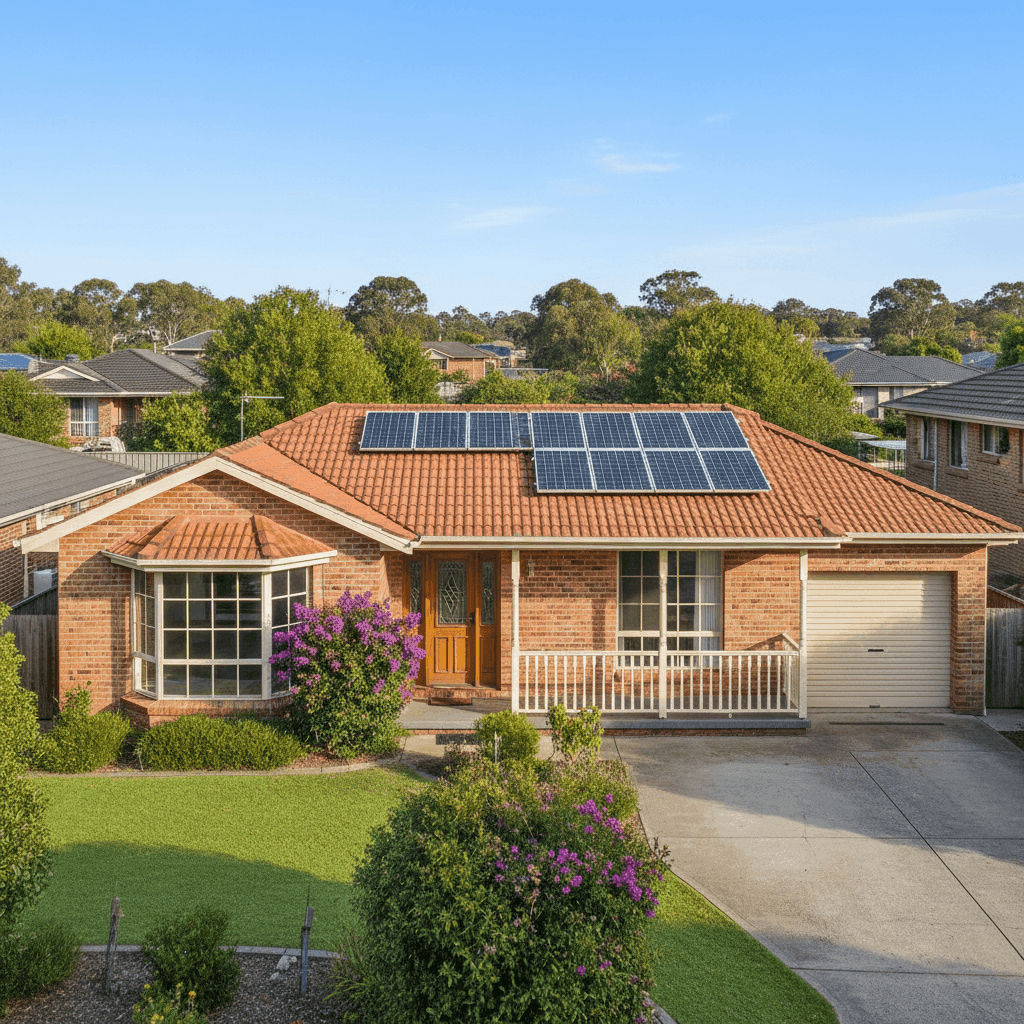
If you own a free standing home in Springfield, NSW 2250, you're probably curious about whether you're paying a fair price for home and contents insurance — or whether there's a better deal out there. This article breaks down a real insurance quote for a three-bedroom, two-bathroom brick veneer home in Springfield, comparing it against suburb, state, and national benchmarks so you can make a genuinely informed decision.
---
Is This Quote Fair?
The short answer: yes — and then some. This quote came in at $2,247 per year (or around $229 per month), which earns a "Cheap" price rating, meaning it sits well below the average for comparable properties in the area.
To put that in perspective, the suburb average for Springfield is $4,041 per year, and the median sits at $3,203 per year. Even at the 25th percentile — meaning only 25% of quotes are cheaper — the figure is $2,569 per year. This quote undercuts even that lower benchmark, placing it among the most competitive premiums recorded for this postcode.
For a home insured at $626,000 for the building and $30,000 for contents, that's a strong result. The building excess is set at $3,000 (higher than typical, which does help bring the premium down), while the contents excess is a more modest $500.
---
How Springfield Compares
It's worth zooming out to understand the broader pricing landscape. Springfield's local insurance data paints an interesting picture when stacked against wider benchmarks:
| Benchmark | Annual Premium |
|---|---|
| This Quote | $2,247 |
| Springfield Suburb Average | $4,041 |
| Springfield Suburb Median | $3,203 |
| Springfield 25th Percentile | $2,569 |
| Hawkesbury LGA Average | $10,350 |
| NSW State Median | $3,770 |
| NSW State Average | $9,528 |
| National Average | $5,347 |
| National Median | $2,764 |
The Hawkesbury LGA average of $10,350 per year stands out as particularly high — likely driven by flood-prone and bushfire-affected properties within the broader local government area. Springfield itself appears to be a more benign risk environment by comparison, which is reflected in the suburb-level figures.
Looking at NSW state-wide data, the average premium of $9,528 is heavily skewed by high-risk postcodes across the state. The median of $3,770 is a more useful yardstick, and this quote still comes in well below it. Against national benchmarks, the story is similar — the national median of $2,764 is close to this quote, but the average of $5,347 highlights how much outliers can distort the picture.
The sample size for Springfield is 13 quotes, which is a reasonable dataset for a suburb of this size, though it's worth noting the figures may shift as more data comes in.
---
Property Features That Affect Your Premium
Several characteristics of this property work in favour of a competitive premium:
Brick Veneer Walls Brick veneer is one of the most common and well-regarded wall constructions in Australian suburban homes. Insurers generally view it favourably — it's durable, fire-resistant, and widely understood in terms of repair costs. This construction type typically attracts lower premiums compared to timber-framed or clad exteriors.
Tiled Roof Terracotta or concrete tiles are considered a solid, low-maintenance roofing choice. They perform well in most weather conditions and are less susceptible to fire than some alternatives, which contributes to a more attractive risk profile.
Slab Foundation A concrete slab foundation is straightforward for insurers to assess and is generally associated with lower subsidence and pest-related risks compared to raised timber floors.
Solar Panels This property has solar panels installed, which do add a small element of risk (replacement cost, potential for electrical issues), but most insurers now include solar panels as a standard part of building cover. It's always worth confirming your policy explicitly covers them.
Ducted Climate Control Ducted air conditioning is a significant fixed asset. It's typically covered under building insurance, but homeowners should verify this is reflected in the sum insured to avoid being underinsured in the event of a claim.
1996 Construction At around 28–29 years old, this home sits in a comfortable middle ground — not so old that it raises concerns about outdated wiring or plumbing, but mature enough that some components (roof tiles, hot water systems, electrical switchboards) may be approaching end-of-life. Keeping up with maintenance is key.
No Pool, No Cyclone Risk The absence of a swimming pool removes a common liability exposure. Springfield is also outside designated cyclone risk zones, which keeps wind-related risk assessments modest.
---
Tips for Homeowners in Springfield
1. Review your sum insured regularly Building costs have risen sharply across NSW in recent years. A sum insured of $626,000 for a 214 sqm brick veneer home may be appropriate today, but it's worth recalculating annually using a building cost estimator to ensure you're not left underinsured after a total loss.
2. Check that solar panels and ducted systems are explicitly covered Some policies treat solar panels and ducted HVAC systems as standard building inclusions, while others may require specific endorsement. Read your Product Disclosure Statement carefully and contact your insurer if you're unsure.
3. Consider whether your contents cover is sufficient $30,000 in contents cover is on the lower end for a three-bedroom, two-bathroom home. Do a rough stocktake of furniture, appliances, clothing, and electronics — many households find they're underinsured for contents without realising it.
4. Understand the impact of your building excess The $3,000 building excess on this policy is higher than average, which is one reason the premium is so competitive. That's a reasonable trade-off if you have the financial buffer to cover it in a claim scenario. If not, it may be worth requesting a lower excess option and comparing the premium difference.
---
Compare Your Own Quote
Whether you're renewing your current policy or shopping around for the first time, it pays to see what the market looks like for your specific property. Premiums vary significantly between insurers, even for identical homes — and as this quote demonstrates, there can be real savings on offer.
Get a home insurance quote at CoverClub and see how your premium stacks up against Springfield neighbours and the broader NSW market. It takes just a few minutes and could save you hundreds of dollars a year.