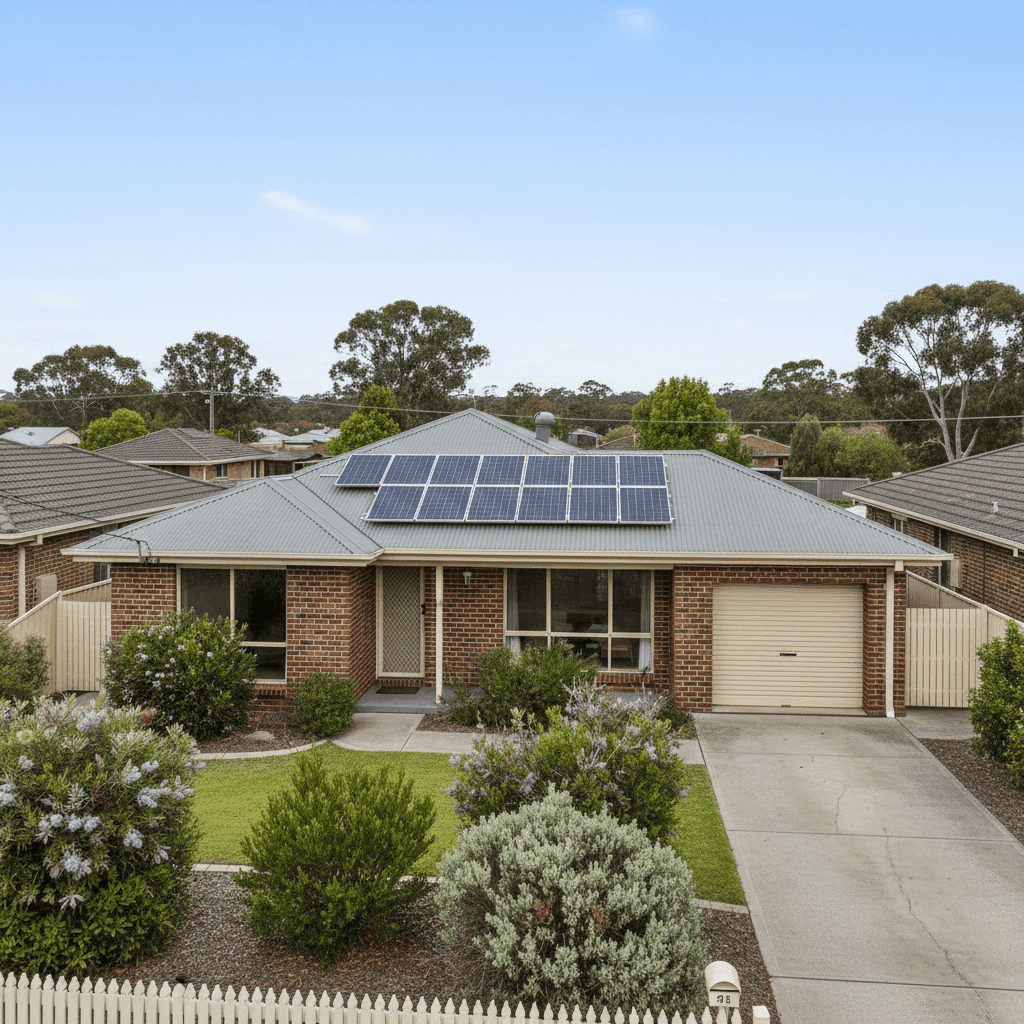
If you own a free standing home in Springfield, NSW 2250, you're probably curious whether what you're paying for home insurance is reasonable — or whether you're leaving money on the table. This article breaks down a real home and contents insurance quote for a three-bedroom, two-bathroom brick veneer home in Springfield, comparing it against local, state-wide, and national benchmarks to help you make a more informed decision.
---
Is This Quote Fair?
The annual premium for this property came in at $2,894 per year (or $270 per month), covering both building (insured at $475,000) and contents (valued at $79,000), each with a $2,000 excess.
Our pricing engine has rated this quote as FAIR — Around Average. That's a reasonable outcome for a property of this type and age, and here's why that label is meaningful: it doesn't mean you're being overcharged, but it also suggests there may be room to shop around. A "fair" rating typically means the premium sits within a normal range for comparable properties in the area — not a standout deal, but not a red flag either.
For context, the suburb average for Springfield (NSW 2250) sits at $3,444 per year, while the median is $2,551. This quote of $2,894 falls between the median and the average — comfortably in the middle of the pack. The 25th percentile of quotes in the suburb comes in at $2,011, and the 75th at $3,804, which means this premium is well within the typical range for the area.
---
How Springfield Compares
One of the most striking figures in this analysis is how Springfield stacks up against the broader Hawkesbury LGA, which records an average annual premium of $10,350. That's a dramatic difference — and it reflects the elevated flood and bushfire risk that affects many parts of the Hawkesbury region. Springfield, however, appears to attract considerably more modest premiums, suggesting insurers view it as a lower-risk pocket within the LGA.
Zooming out further:
| Benchmark | Average | Median |
|---|---|---|
| Springfield (2250) | $3,444/yr | $2,551/yr |
| NSW State | $3,801/yr | $3,410/yr |
| National | $2,965/yr | $2,716/yr |
Compared to the NSW state average of $3,801, this quote is notably cheaper — about 24% below the state mean. Against the national average of $2,965, it's also slightly below, which is a positive sign. The quote is marginally above the national median of $2,716, but given the property's characteristics and location, that's not unexpected.
Overall, Springfield homeowners appear to benefit from relatively competitive premiums compared to much of NSW — a silver lining worth knowing about.
---
Property Features That Affect Your Premium
Several characteristics of this property will have influenced the quoted premium, both positively and negatively.
Construction era (1970): Homes built in the 1970s are a mixed bag for insurers. On one hand, they're well-established structures; on the other, they may have older wiring, plumbing, or roofing materials that increase the likelihood of a claim. Expect insurers to factor this into their risk assessment.
Brick veneer walls: This is generally viewed favourably. Brick veneer offers good fire resistance and structural durability, which can help keep premiums in check compared to timber-clad or fibre cement alternatives.
Steel/Colorbond roof: A modern Colorbond roof is a strong asset when it comes to insurance. It's lightweight, resistant to corrosion and ember attack, and typically requires less maintenance than tiled roofs. Insurers tend to look kindly on this roofing type.
Stump foundation: Homes on stumps (or piers) are common in older Australian properties. While this foundation style allows for ventilation and can be advantageous in some flood-prone areas, it may also raise questions about structural movement or subfloor maintenance — factors some insurers weigh up.
Solar panels: The presence of solar panels adds value to the property and may slightly increase the sum insured required to cover replacement costs. It's worth confirming with your insurer that your solar system is adequately covered under your building policy.
Standard fittings and carpet flooring: These are neutral factors. Standard-quality fittings and carpet are straightforward to value and replace, which keeps the contents and building assessments relatively uncomplicated.
No pool, no cyclone risk zone: Both of these reduce risk in the eyes of insurers. Pools add liability exposure, and cyclone-rated construction requirements can significantly inflate premiums in northern parts of Australia. Neither applies here.
---
Tips for Homeowners in Springfield
1. Review your sum insured regularly. At $475,000, the building sum insured needs to reflect what it would actually cost to rebuild your home from scratch — not its market value. With construction costs rising across NSW, it's worth reassessing this figure annually to avoid being underinsured. Use a building cost calculator or speak with a quantity surveyor if you're unsure.
2. Check your solar panels are covered. Many standard home insurance policies include solar panels under building cover, but the extent of that coverage varies. Confirm whether your policy covers panel damage from storms, hail, or accidental breakage, and whether inverter replacement is included.
3. Consider your excess carefully. Both the building and contents excess are set at $2,000. While a higher excess typically lowers your premium, it also means a larger out-of-pocket cost at claim time. Make sure this amount is something you could comfortably access in an emergency.
4. Shop around at renewal time. Because this quote is rated "fair" rather than "great," there's a reasonable chance a comparable level of cover could be found at a lower price. Insurers price risk differently, and loyalty doesn't always pay — comparing quotes annually is one of the simplest ways to avoid overpaying.
---
Compare Your Home Insurance at CoverClub
Whether you're reviewing an existing policy or shopping for cover on a new property, CoverClub makes it easy to see how your premium stacks up. Get a home insurance quote today and compare it against real data from properties like yours across Springfield and the rest of NSW. Knowledge is your best tool when it comes to protecting your home without overpaying.