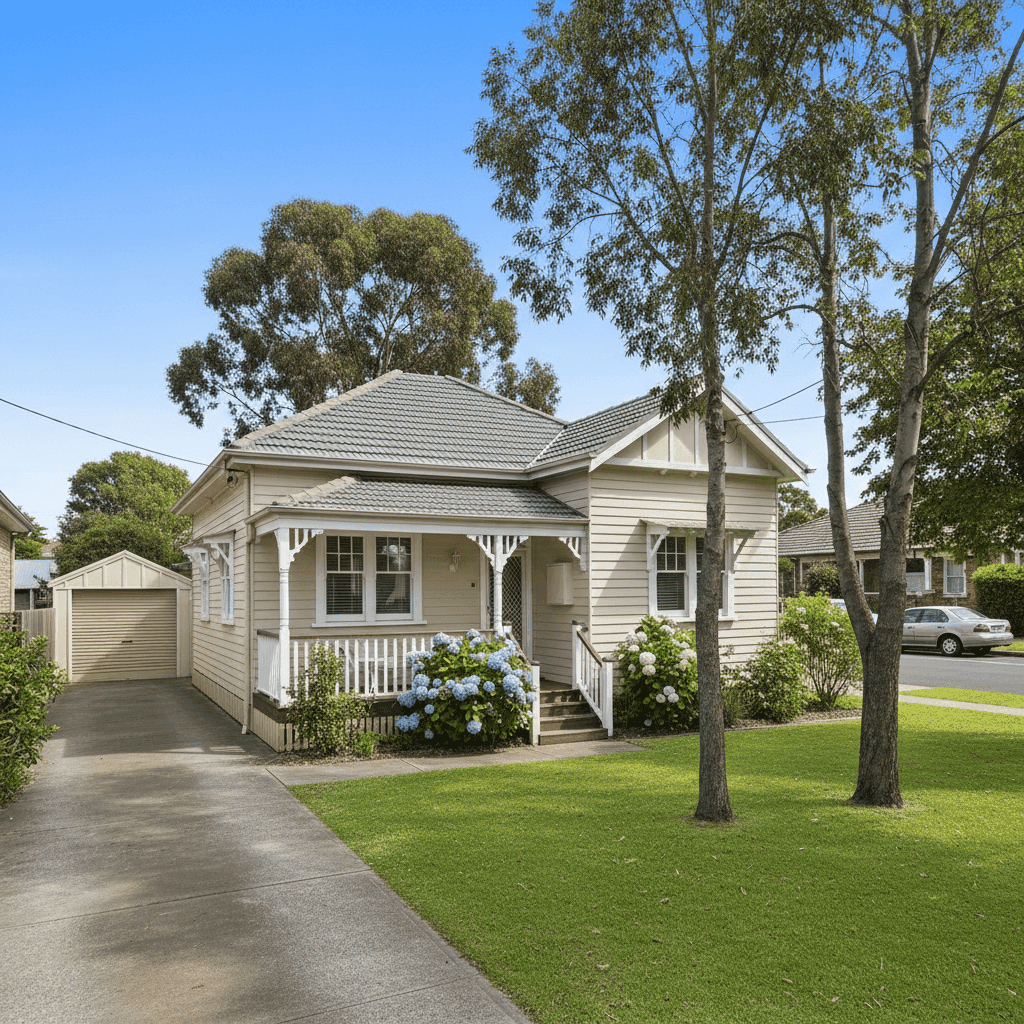
Springvale is one of Melbourne's most vibrant and diverse suburbs, sitting within the City of Greater Dandenong about 26 kilometres south-east of the CBD. For owners of free standing homes in this postcode, understanding what drives home insurance costs — and whether a quote represents good value — can make a meaningful difference to the household budget. This article breaks down a real building insurance quote for a three-bedroom free standing home in Springvale (VIC 3171), and puts the numbers in context so you can make a more informed decision.
---
Is This Quote Fair?
The quote in question sits at $1,725 per year (or $169 per month) for building-only cover, with a sum insured of $545,000 and a building excess of $2,500. Based on CoverClub's pricing data, this quote has been rated Expensive — Above Average for the area.
To put that simply: this premium is higher than what most comparable properties in Springvale are paying. The suburb average sits at $1,222 per year, and the median is even lower at $1,152 per year. That means this quote is roughly 41% above the suburb average and about 50% above the median — a notable gap worth investigating before accepting the price.
That said, "expensive" doesn't automatically mean "wrong." A higher sum insured, specific property characteristics, or the insurer's own risk appetite can all push premiums upward. The key is knowing whether you're getting fair value for what you're paying, or whether there's room to shop around.
---
How Springvale Compares
When you zoom out to a broader view, Springvale actually looks relatively affordable compared to the rest of Victoria and the country as a whole. Here's how the numbers stack up:
| Benchmark | Annual Premium |
|---|---|
| Springvale (3171) average | $1,222 |
| Springvale (3171) median | $1,152 |
| Greater Dandenong LGA average | $1,780 |
| Victoria average | $2,921 |
| Victoria median | $2,694 |
| National average | $2,965 |
| National median | $2,716 |
Even this quote — rated expensive for the suburb — sits well below the Victorian and national averages. That's a useful reminder that home insurance costs vary enormously depending on where you live, and Springvale homeowners are generally in a more favourable position than many Australians.
You can explore more local data on the Springvale suburb insurance stats page, compare it against all of Victoria, or see how it stacks up nationally.
It's also worth noting that the suburb's 75th percentile is $1,567 per year — meaning only one in four quotes in Springvale exceed that figure. At $1,725, this quote sits above even that upper threshold, reinforcing that there's likely room to find a more competitive price.
---
Property Features That Affect Your Premium
Several characteristics of this property are relevant to how insurers assess risk and price cover.
Weatherboard Timber Walls
Weatherboard construction is common in Melbourne's older suburbs, and this home's timber exterior is one of the most significant factors influencing its premium. Timber walls carry a higher fire risk than brick or rendered masonry, and they can be more susceptible to rot, pest damage, and general wear over time. Insurers typically price weatherboard homes at a higher rate than brick equivalents, all else being equal.
Tiled Roof
A tiled roof is generally viewed positively by insurers — tiles are durable, fire-resistant, and widely used across Australian homes. This is unlikely to be a negative factor in the pricing.
Stump Foundation
The home sits on stumps, which is characteristic of many pre-1970s Melbourne properties. While stumps can be re-levelled and maintained, older stump foundations may raise questions for insurers around subsidence risk or structural movement — particularly in areas with reactive clay soils, which are common across Melbourne's south-east.
Timber and Laminate Flooring
Timber and laminate floors can be costly to repair or replace following water damage or fire, and this may be factored into the overall rebuild cost estimate.
Construction Year: 1960
At over 60 years old, this home pre-dates many modern building standards. Older homes can carry higher rebuild complexity and cost, and may have ageing electrical, plumbing, or structural elements that increase the likelihood of a claim.
Sum Insured: $545,000
The building is insured for $545,000 across 139 square metres. This works out to roughly $3,921 per square metre — which is on the higher end but not unreasonable given current construction costs and the complexity of rebuilding an older weatherboard home to modern standards.
---
Tips for Homeowners in Springvale
If you're looking to get better value on your building insurance, here are four practical steps worth considering.
1. Compare multiple quotes before renewing The single most effective thing you can do is shop around. With a 23-quote sample showing a suburb median of $1,152 per year, there's clear evidence that more competitive pricing exists in this postcode. Get a quote through CoverClub to see what multiple insurers would charge for your property.
2. Review your sum insured carefully Make sure your sum insured reflects the actual cost to rebuild — not the market value of the property. Overinsuring pushes your premium up unnecessarily, while underinsuring can leave you exposed after a major claim. Tools like the Cordell Sum Sure calculator can help you arrive at a more accurate figure.
3. Consider your excess level This quote includes a $2,500 building excess. Opting for a higher excess can reduce your annual premium, which may make sense if you have the savings to cover that amount in the event of a claim. Conversely, if cash flow is a concern, a lower excess with a slightly higher premium might be the better trade-off.
4. Maintain your property proactively For an older weatherboard home, regular maintenance matters — both for your safety and your insurance. Keeping the roof in good condition, checking subfloor ventilation, and ensuring the stumps are sound can reduce the likelihood of a claim and may support a better risk profile with your insurer over time.
---
Ready to Find a Better Deal?
Whether you're renewing an existing policy or taking out cover for the first time, comparing quotes is the smartest way to make sure you're not overpaying. CoverClub makes it easy to see what multiple insurers would charge for your specific property — in minutes, with no obligation.
Compare home insurance quotes for your Springvale property today →