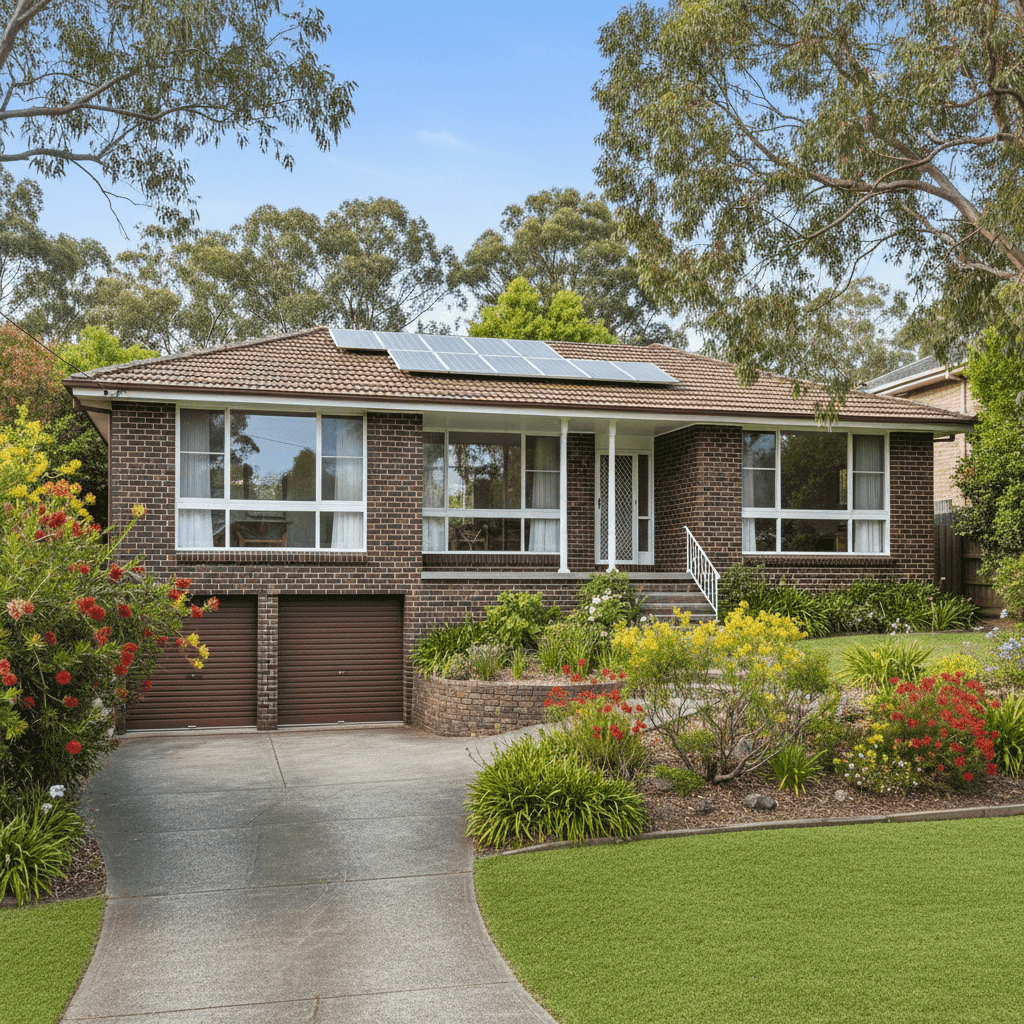
If you own a free standing home in Springwood, NSW 2777, nestled in the scenic Blue Mountains foothills, you'll know that protecting your property is no small matter. Between the bush-adjacent landscape, ageing housing stock, and the sheer size of larger family homes in the area, home insurance premiums can vary enormously. This article breaks down a real home and contents insurance quote for a five-bedroom brick veneer home in Springwood, examines how it stacks up against local and national benchmarks, and offers practical advice for getting the best value on your cover.
---
Is This Quote Fair?
The quote in question comes in at $3,597 per year (or $338/month) for combined home and contents cover, with a building sum insured of $1,175,000 and contents valued at $165,000. Both the building and contents excess sit at $2,000.
Our price rating for this quote is Expensive (Above Average) — and the data backs that up. The suburb average premium in Springwood is $2,580/yr, meaning this quote is roughly $1,017 above what most comparable properties in the area are paying. It also sits above the suburb's 75th percentile of $3,184/yr, placing it in the top quarter of premiums locally.
That said, context matters. This is a large property — 358 sqm of living space across five bedrooms — with a high building sum insured of $1.175 million. Larger homes with greater replacement costs will naturally attract higher premiums, so some of the price gap is expected. The question is whether the premium is proportionate to the risk and coverage, or whether there's room to do better by shopping around.
---
How Springwood Compares
To understand where this quote sits in the broader landscape, it helps to look at the numbers across different levels. You can explore full data for this postcode on the Springwood suburb stats page, or zoom out to the NSW state overview and national insurance stats.
| Benchmark | Premium |
|---|---|
| This quote | $3,597/yr |
| Springwood suburb average | $2,580/yr |
| Springwood suburb median | $2,563/yr |
| Springwood 25th percentile | $1,977/yr |
| Springwood 75th percentile | $3,184/yr |
| Blue Mountains LGA average | $4,220/yr |
| NSW state median | $3,770/yr |
| National median | $2,764/yr |
| NSW state average | $9,528/yr |
| National average | $5,347/yr |
A few things stand out here. First, the NSW state average of $9,528/yr is heavily skewed by high-value coastal and flood-prone properties — the median of $3,770/yr is a far more representative figure for most NSW homeowners. Against that median, this quote of $3,597/yr is actually slightly below the state midpoint, which is a more favourable comparison.
Nationally, the median sits at $2,764/yr, so this quote is above the national midpoint — though again, a 358 sqm five-bedroom home with over $1.3 million in total coverage is not a typical property.
Interestingly, the Blue Mountains LGA average of $4,220/yr is notably higher than the Springwood suburb average, suggesting that some parts of the LGA carry significantly elevated risk profiles. By that measure, this quote is actually below the LGA average, which is worth keeping in mind.
---
Property Features That Affect Your Premium
Several characteristics of this property have a direct bearing on the premium calculated.
Size and sum insured: At 358 sqm, this is a substantial home. The building sum insured of $1,175,000 reflects the true cost of rebuilding a property of this size to modern standards — and insurers price accordingly. Underinsuring to reduce premiums is a false economy; if you need to make a claim, a shortfall can be devastating.
Construction era: Built in 1975, this home is now 50 years old. Older properties can present higher risk for insurers due to ageing electrical wiring, plumbing, and structural elements. Some insurers apply loadings to pre-1980s homes, which may be contributing to the above-average premium here.
Brick veneer walls and tiled roof: These are generally regarded as favourable construction materials from an insurance perspective. Brick veneer offers solid fire and impact resistance, while tiles are durable and weather-resistant. This combination typically attracts more competitive premiums compared to timber weatherboard or Colorbond alternatives.
Stump foundation: Homes on stumps (also known as pier foundations) are common in older Blue Mountains properties. While they offer good ventilation and can be easier to inspect, they may require periodic maintenance and can be a consideration for some insurers.
Solar panels: The presence of solar panels adds replacement value to the property. It's worth confirming with your insurer that your solar system is explicitly covered under your building policy — not all policies include it by default, and some treat it as a separate item.
Ducted climate control: A ducted system represents a significant fixed asset within the home. As with solar, ensure your policy covers the full replacement cost of this system as part of the building sum insured.
Blue Mountains location: Springwood sits at the eastern gateway to the Blue Mountains. While it's not classified as a cyclone risk area, properties in this region can be exposed to elevated bushfire risk, strong winds, and storm events. These environmental factors are key inputs into how insurers assess risk for this postcode.
---
Tips for Homeowners in Springwood
1. Review your building sum insured regularly Construction costs have risen sharply in recent years. A sum insured set even two or three years ago may no longer reflect the true cost of rebuilding your home. Use a building cost calculator or speak with a quantity surveyor to make sure your coverage keeps pace with current rates.
2. Confirm solar panels and ducted systems are covered Don't assume these are automatically included. Ask your insurer directly whether your solar array and ducted climate control system are covered under the building policy, and for how much. If they're not, you may need to arrange additional coverage or adjust your sum insured.
3. Consider bushfire preparedness as a premium lever Some insurers offer discounts or more competitive pricing for homes with active bushfire mitigation measures — such as ember guards on vents, metal guttering, and maintained asset protection zones. Given Springwood's proximity to bushland, these steps are worth taking for safety and potential premium benefits alike.
4. Shop around at renewal time Loyalty doesn't always pay in insurance. Premiums can shift significantly between insurers for the same property and coverage level. Running a fresh comparison each year — especially for a property with above-average premiums — is one of the simplest ways to avoid overpaying.
---
Compare Your Options with CoverClub
Whether this quote feels right or a little steep, the best way to know for certain is to compare. At CoverClub, we make it easy to see what multiple insurers would charge for your specific property — so you can make an informed decision rather than just accepting the first number that lands in your inbox. Get a home insurance quote today and see how much you could save.