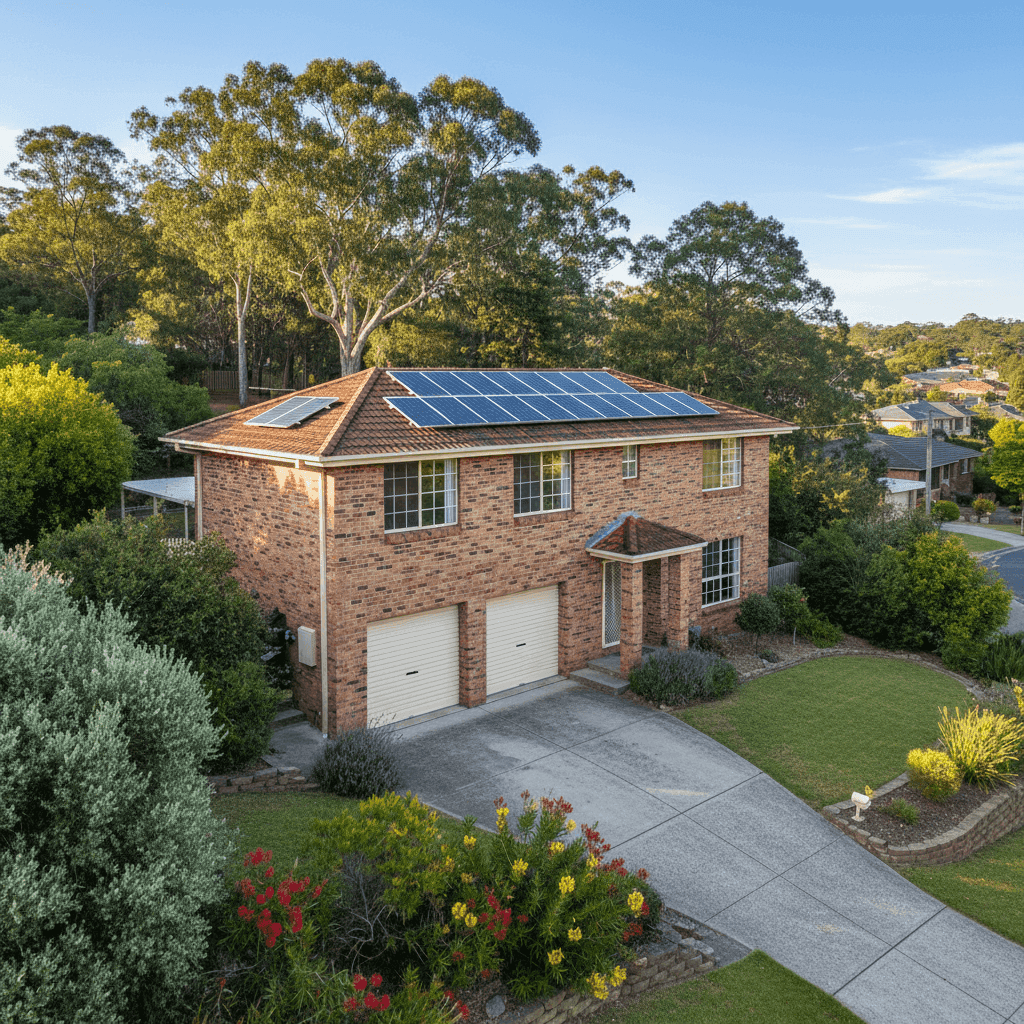
If you own a free standing home in Springwood, NSW 2777, nestled in the Blue Mountains foothills west of Sydney, you already know this area offers a unique lifestyle — leafy streets, a strong sense of community, and easy access to the national park. What you might not know is how your home insurance premium stacks up against your neighbours, the rest of New South Wales, and the country as a whole. This article breaks down a real insurance quote for a five-bedroom, two-bathroom brick veneer home in Springwood, helping you understand what's driving the cost and whether there's room to save.
---
Is This Quote Fair?
The annual premium for this quote comes in at $3,969 per year (or $373/month) for combined home and contents cover, with a building sum insured of $1,168,000 and contents valued at $163,000. Both the building and contents excess are set at $1,000.
Our analysis rates this quote as Expensive — Above Average for the Springwood area.
To put that in context: the suburb average for Springwood sits at $2,580 per year, with a median of $2,563. This quote lands well above the 75th percentile of $3,184 — meaning it's pricier than at least three-quarters of comparable quotes in the postcode. That's a meaningful gap worth investigating before simply accepting the renewal.
That said, "expensive" doesn't automatically mean "wrong." A number of property-specific factors — which we'll explore below — can legitimately push a premium higher than the suburb norm. The key is understanding why you're paying more, and whether the cover justifies the cost.
---
How Springwood Compares
Benchmarking your premium against broader averages gives a clearer picture of where you stand.
| Benchmark | Average Premium | Median Premium |
|---|---|---|
| Springwood (NSW 2777) | $2,580/yr | $2,563/yr |
| Blue Mountains LGA | $4,220/yr | — |
| New South Wales | $9,528/yr | $3,770/yr |
| National (Australia) | $5,347/yr | $2,764/yr |
A few things stand out here. First, the NSW state average of $9,528 is heavily skewed by high-value and high-risk properties — the median of $3,770 is far more representative of what most NSW homeowners actually pay. Second, the national median of $2,764 is actually lower than the Springwood suburb average, suggesting that Blue Mountains properties carry above-average risk profiles compared to the broader country.
Notably, the Blue Mountains LGA average of $4,220 is higher than this particular quote — which suggests that while $3,969 is above the Springwood suburb average, it's actually below the broader LGA average. This is worth keeping in mind: Springwood may attract slightly lower premiums than some other Blue Mountains suburbs due to its proximity to urban infrastructure and emergency services, but the region as a whole carries elevated risk.
(Note: The suburb sample size is 13 quotes, so averages should be treated as indicative rather than definitive.)
---
Property Features That Affect Your Premium
Several characteristics of this property have a direct bearing on the premium calculated.
Age and Construction (Built 1975)
At around 50 years old, this home predates many modern building codes. Older homes can carry higher rebuild costs due to non-standard materials, the need to comply with current regulations during repairs, and the general wear on structural elements. Insurers factor this in when calculating building cover.
Brick Veneer Walls and Tiled Roof
Brick veneer construction is generally viewed favourably by insurers — it's more fire-resistant than timber weatherboard and widely used across Australian suburbia. A tiled roof similarly signals durability. Together, these materials typically help moderate premiums compared to, say, a timber-clad home with a corrugated iron roof.
Stump Foundation
A home on stumps (also known as a suspended floor) can be more vulnerable to certain types of damage — particularly flooding, subsidence, or pest ingress — compared to a concrete slab. In a hilly area like Springwood, stump foundations are common, but they're a factor insurers consider when assessing risk.
Building Size: 358 sqm
At 358 square metres, this is a substantial home. A larger floor area directly increases the cost to rebuild, which is reflected in the $1,168,000 sum insured. Getting the building sum insured right is critical — underinsurance is one of the most common and costly mistakes homeowners make.
Solar Panels
The presence of solar panels adds replacement value to the property and introduces specific risks (electrical faults, storm damage, panel theft). Most insurers cover solar panels under building insurance, but it's worth confirming the extent of cover in your policy documents.
Ducted Climate Control
Ducted systems are expensive to repair or replace and are typically covered under building insurance as a fixed installation. Their inclusion contributes to a higher sum insured and, consequently, a higher premium.
Bushfire Proximity
While this property isn't in a cyclone risk area, Springwood and the broader Blue Mountains region are well-known for bushfire exposure. The area has experienced significant fire events historically, and insurers price this risk into premiums for the entire region — regardless of individual property characteristics.
---
Tips for Homeowners in Springwood
1. Shop Around — Seriously
The gap between the cheapest and most expensive quotes in Springwood can be substantial. With a suburb 25th percentile of $1,977 and this quote at $3,969, there's potentially over $1,900 per year in savings available for the same level of cover. Compare quotes at CoverClub to see what competing insurers are offering.
2. Review Your Sum Insured Annually
Building costs have risen sharply in recent years. If your sum insured hasn't kept pace, you could be underinsured — meaning you'd face a shortfall in the event of a total loss. Equally, if your sum insured is set too high, you may be paying more than necessary. Use a building cost calculator or speak to a quantity surveyor to verify your figure.
3. Consider Your Excess Strategy
Both the building and contents excess on this policy are set at $1,000. Opting for a higher voluntary excess (say, $2,000 or $2,500) can meaningfully reduce your annual premium. This works well if you have the financial buffer to cover a larger out-of-pocket cost in the event of a claim.
4. Prepare Your Property for Bushfire Season
Insurers increasingly reward proactive risk mitigation. Maintaining a defendable space around your home, clearing gutters, and installing ember guards can not only protect your property but may also support a conversation with your insurer about your risk profile. Some insurers offer discounts for documented hazard reduction measures.
---
Ready to Find a Better Rate?
Whether this quote reflects fair market value for your specific circumstances or there's room to negotiate, the best way to know for certain is to compare. CoverClub makes it easy to benchmark your premium against real quotes from across the market — so you're never paying more than you need to.
Get a home insurance quote for your Springwood property →
You can also explore detailed premium data for your area on the Springwood suburb stats page or browse NSW-wide insurance trends for broader context.