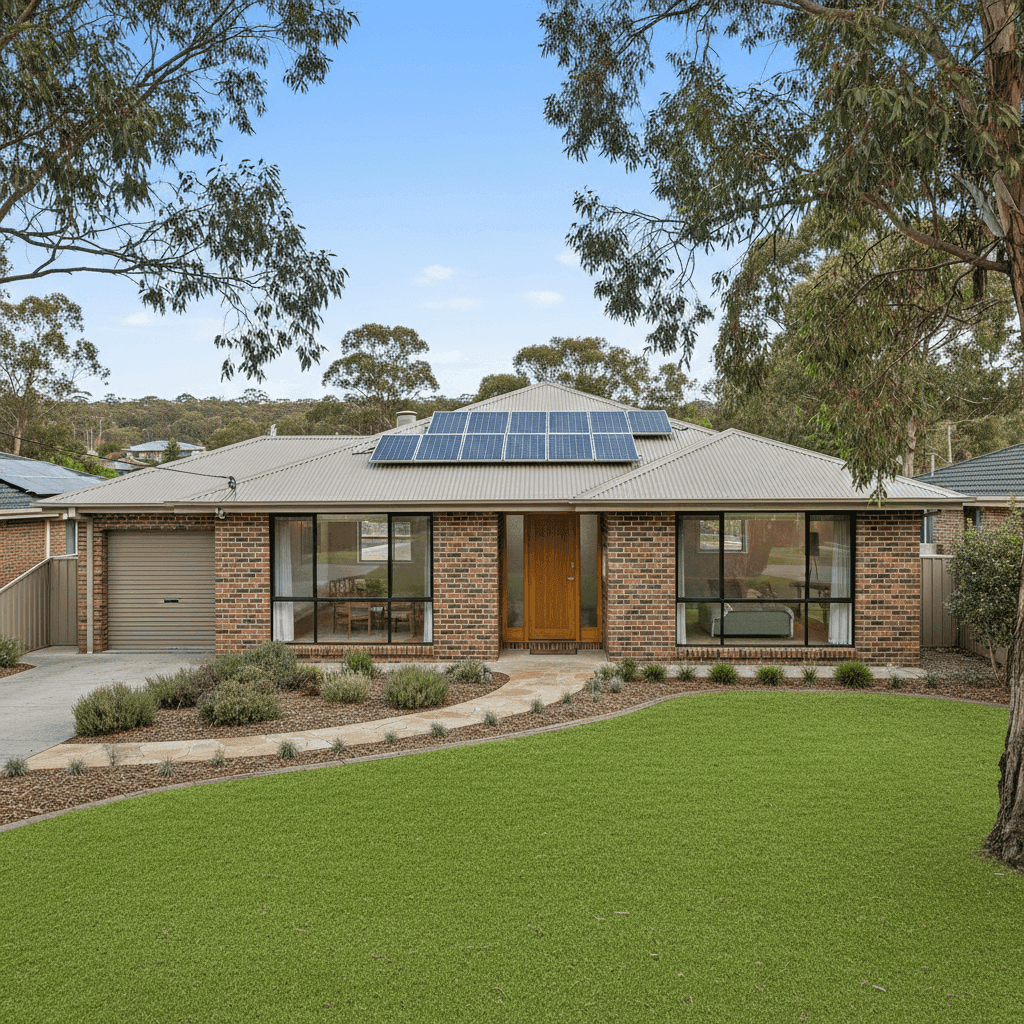
St Ives is one of Sydney's most sought-after upper North Shore suburbs — leafy streets, generous block sizes, and well-established homes that reflect decades of careful living. But with desirable real estate comes a real question: are homeowners paying a fair price for their home insurance? This article takes a close look at a recent home and contents insurance quote for a five-bedroom, free-standing home in St Ives (NSW 2075), and unpacks what's driving the premium — and what you can do about it.
---
Is This Quote Fair?
The quote in question comes in at $10,939 per year (or $1,048/month) for combined home and contents cover, with a building sum insured of $1,323,000 and contents valued at $234,000. Both the building and contents excess are set at $1,000.
Our price rating for this quote is Expensive — above average for the area.
To put that in context: the suburb average for St Ives sits at just $3,567 per year, with a median of $3,343. Even at the 75th percentile — meaning 75% of quotes in the area are cheaper — the figure is only $4,221. This quote lands well above that threshold.
That said, it's worth noting that the NSW state average premium is $9,528/year (though the median is a much lower $3,770), and the national average is $5,347/year (median: $2,764). The wide gap between averages and medians at the state and national level tells us that a relatively small number of high-value properties are pulling those averages up significantly — and this property, with its $1.3 million building sum insured, is likely one of them.
So while the quote is expensive relative to the suburb, it's not entirely out of step with what high-value homes across NSW are paying. The key question is whether the sum insured and coverage level are appropriate — and whether there's room to optimise.
---
How St Ives Compares
Here's a snapshot of how this quote stacks up across different benchmarks:
| Benchmark | Premium |
|---|---|
| This Quote | $10,939/yr |
| St Ives Suburb Average | $3,567/yr |
| St Ives Suburb Median | $3,343/yr |
| St Ives 75th Percentile | $4,221/yr |
| LGA (Northern Beaches) Average | $3,266/yr |
| NSW State Average | $9,528/yr |
| National Average | $5,347/yr |
It's clear this property sits in a different tier from the typical St Ives home being insured. Browse St Ives suburb insurance stats to see how the broader market is priced, or explore NSW home insurance data and national benchmarks for wider context.
One important caveat: the suburb sample size here is 30 quotes — a reasonable dataset, but not enormous. The mix of property sizes and sum-insured levels in that sample will influence the averages, and a 334 sqm, five-bedroom home with a $1.3M rebuild cost is almost certainly above the suburb norm in terms of scale.
---
Property Features That Affect Your Premium
Several characteristics of this property have a direct bearing on what insurers charge. Let's walk through the key ones.
Age of construction (1952): Built in 1972, this home is over 50 years old. Older homes can attract higher premiums because ageing infrastructure — plumbing, wiring, roofing — carries a statistically higher risk of failure or damage. Insurers factor this in when pricing the policy.
Brick veneer external walls: Brick veneer is generally viewed favourably by insurers. It offers solid fire resistance and structural durability, which can help moderate premiums compared to timber-framed or clad alternatives.
Steel/Colorbond roof: Colorbond roofing is a popular and relatively low-risk material — it's durable, fire-resistant, and handles Australian weather conditions well. This is unlikely to be a negative factor in the pricing.
Stump foundations: Homes on stumps (also called pier or post foundations) are common in older Australian properties. While they allow good airflow and can be easier to repair than slab foundations, they can introduce some additional risk around subsidence or pest ingress, which insurers may account for.
Timber and laminate flooring: These floor types are susceptible to water damage and can be costly to replace or restore, particularly over a large floor area. Given the size of this home, that's a meaningful exposure.
Solar panels: Solar panels are an increasingly common feature and are generally covered under home insurance, but they do add to the replacement cost of the building — contributing to a higher sum insured.
Ducted climate control: Similarly, a whole-home ducted system is a significant asset that adds to the rebuild and replacement cost, and insurers will price accordingly.
Building size (334 sqm): At 334 square metres, this is a substantial home. Rebuild costs scale with size, and a $1,323,000 sum insured reflects the genuine cost of reconstructing a home of this scale and specification in the current Sydney market.
---
Tips for Homeowners in St Ives
1. Validate your sum insured regularly. Construction costs have risen sharply in recent years. If your sum insured hasn't kept pace, you could be underinsured — but if it's been set conservatively high, you may be paying more than necessary. Use a professional building cost estimator or ask your insurer to walk you through their calculation. Getting this number right is the single biggest lever on your premium.
2. Compare quotes across multiple insurers. A premium this size warrants serious shopping around. Insurers price risk differently, and the spread between the cheapest and most expensive quotes for the same property can be substantial. Get a comparison quote at CoverClub to see what the broader market is offering.
3. Consider your excess level. Both the building and contents excess on this policy are set at $1,000. Opting for a higher excess — say $2,500 or $5,000 — can meaningfully reduce your annual premium. If you have the financial buffer to absorb a larger out-of-pocket cost in the event of a claim, this is often a smart trade-off on a premium of this size.
4. Review your contents valuation. $234,000 in contents cover is significant. It's worth doing a proper home inventory to confirm this figure is accurate — both over- and under-insuring your contents has real consequences. Many homeowners set this figure once and never revisit it.
---
Find a Better Deal with CoverClub
Whether you're already insured or shopping for the first time, it pays to know where you stand. CoverClub makes it easy to compare home and contents insurance quotes for properties across Australia — including high-value homes like this one in St Ives. Start your comparison today and make sure you're getting the right cover at a competitive price.