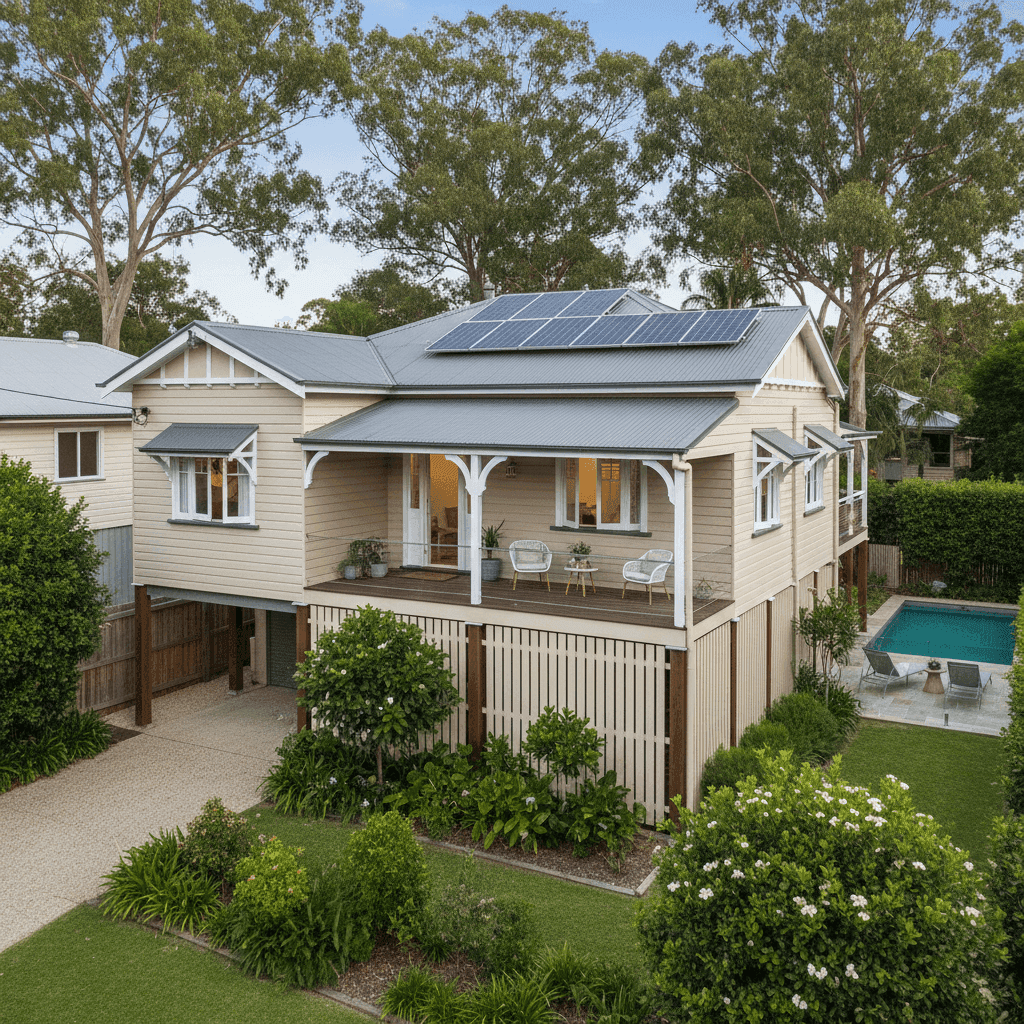
A four-bedroom, three-bathroom free standing home in Stafford, QLD 4053 is exactly the kind of property that can attract a wide range of insurance premiums. Built in 1955 on a pole foundation with weatherboard timber walls and a Colorbond steel roof, this home has a character-rich profile that insurers assess carefully. Add a swimming pool and solar panels to the mix, and you have a property with several moving parts when it comes to pricing. So how does a quote of $1,795 per year for combined home and contents cover stack up? Let's take a closer look.
---
Is This Quote Fair?
The short answer: yes — and then some. This quote has been rated CHEAP (Below Average), meaning it sits well below what most comparable properties in the area are paying.
With a building sum insured of $650,000 and contents cover of $200,000, this is a comprehensive policy. The annual premium of $1,795 (or $168/month) covers a significant amount of exposure for the insurer, which makes the price even more impressive. Both the building and contents excesses are set at $2,000 each — a moderate level that helps keep the premium down without leaving the homeowner dangerously underprotected in a claim scenario.
To put it plainly: if you're paying around this figure for a property of this size and age in Stafford, you're doing well.
---
How Stafford Compares
The numbers tell a compelling story. Based on data from 31 quotes collected for Stafford (postcode 4053):
| Benchmark | Premium |
|---|---|
| This quote | $1,795/yr |
| Suburb average | $2,644/yr |
| Suburb median | $2,786/yr |
| Suburb 25th percentile | $1,822/yr |
| Suburb 75th percentile | $3,488/yr |
This quote comes in below the suburb's 25th percentile — meaning it's cheaper than at least 75% of quotes collected in the area. That's a genuinely strong result.
Zoom out further and the savings look even more significant. The Queensland state average sits at $4,547 per year, with a median of $3,931. Queensland is one of the most expensive states in the country for home insurance, largely due to the prevalence of flood, storm, and cyclone risk across the state. Even the nearby Moreton Bay LGA average comes in at $3,145/yr — still nearly $1,350 more than this quote.
At the national level, the average premium is $2,965/yr and the median is $2,716/yr. This quote beats both figures comfortably, landing roughly $921 below the national average.
In summary, a homeowner securing cover at this price is saving:
- ~$849/yr compared to the suburb average
- ~$2,752/yr compared to the Queensland state average
- ~$1,170/yr compared to the national average
---
Property Features That Affect Your Premium
Several characteristics of this property directly influence how insurers calculate risk — and ultimately, what they charge.
Age and Construction (1955, Weatherboard Timber Walls)
Homes built in the mid-twentieth century carry a different risk profile to modern builds. Weatherboard timber walls, while charming and common in Brisbane's inner suburbs, are more susceptible to fire, moisture damage, and pest ingress than brick or rendered alternatives. Insurers typically factor in higher replacement costs and potentially greater maintenance risk for older timber homes. That this quote remains competitive despite these features is a positive sign.
Pole Foundation
A pole (or stump) foundation is very common in Queensland homes of this era, and insurers are generally well-acquainted with the risk profile. Pole homes can be more vulnerable to movement and subfloor moisture, but they also offer advantages in terms of airflow and flood resilience in some scenarios. Depending on the insurer, this may have a neutral or slightly elevated effect on pricing.
Colorbond Steel Roof
A steel Colorbond roof is generally viewed favourably by insurers. It's durable, fire-resistant, and performs well in high-wind events. This is likely a positive factor in keeping this premium competitive.
Swimming Pool
Pools add liability exposure — if someone is injured on the property, the homeowner may be liable. Most insurers include public liability cover as part of a home policy, and the presence of a pool is a standard risk flag. It can nudge premiums upward, though the effect varies by insurer.
Solar Panels
Solar panels represent a capital asset on the roof that needs to be covered. Some policies include them automatically under building cover; others require a specific endorsement. It's worth confirming with your insurer that your panels are explicitly covered — both for damage to the panels themselves and any resulting damage to the roof.
Timber and Laminate Flooring
Timber floors can be costly to repair or replace after water damage or fire, which may influence contents and building valuations. Ensuring the sum insured accurately reflects the cost to rebuild — including quality flooring — is important.
---
Tips for Homeowners in Stafford
1. Review Your Sum Insured Annually
Construction costs have risen significantly in recent years. A building sum insured of $650,000 for a 116 sqm home may be appropriate now, but it's worth revisiting each year. Underinsurance is one of the most common — and costly — mistakes homeowners make.
2. Confirm Solar Panel Coverage
As noted above, solar panels aren't always automatically included in building cover. Ask your insurer directly: are the panels covered for storm, hail, and fire damage? What about inverter failure? Getting clarity now saves headaches later.
3. Check Your Pool Compliance
Queensland has strict pool safety legislation. An non-compliant pool fence can create complications in a liability claim. Ensuring your pool is registered and compliant with current standards is both a legal requirement and a smart insurance move.
4. Don't Let a Great Rate Make You Complacent
A below-average premium is excellent — but only if the policy actually covers what you need. Read your Product Disclosure Statement (PDS) carefully, paying particular attention to storm and flood definitions, which can vary significantly between insurers in Queensland.
---
Compare Your Own Quote
Whether you're in Stafford or anywhere else in Australia, the best way to know if you're getting a fair deal is to compare. CoverClub makes it easy to benchmark your premium against real data from your suburb, state, and across the country.