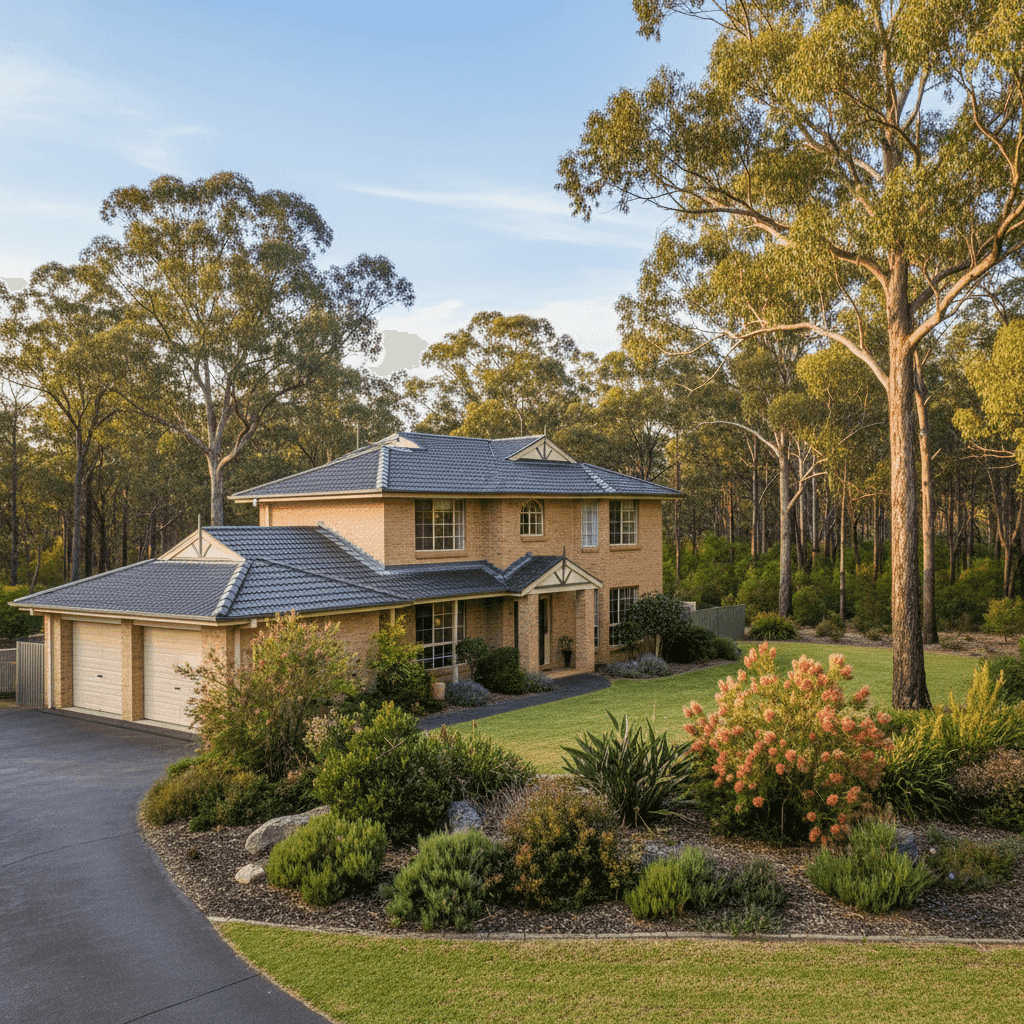
Nestled in the Perth Hills, Stoneville (WA 6081) is a leafy, semi-rural suburb known for its bushland character and spacious residential properties. If you own a free standing home here, understanding what you should expect to pay for home and contents insurance — and whether your current quote is competitive — can make a real difference to your household budget. This article breaks down a recent insurance quote for a three-bedroom, double brick home in Stoneville, compares it against local, state, and national benchmarks, and offers practical advice for homeowners in the area.
---
Is This Quote Fair?
The quote in question comes in at $1,124 per year (or $109 per month) for combined home and contents cover, with a building sum insured of $450,000 and contents valued at $40,000. The building excess sits at $2,000 and the contents excess at $1,000.
Our price rating for this quote is CHEAP — below average — and the numbers back that up convincingly.
When you stack this premium against what most Australians are paying, it's a standout result. The national average home insurance premium is $2,965 per year, with a national median of $2,716. This quote is paying less than 38% of the national average — a saving of over $1,800 annually compared to the typical Australian homeowner.
Even within Western Australia, where premiums tend to be lower than the national norm, this quote is well below the curve. The WA state average sits at $2,144 per year (median: $1,944), meaning this policyholder is paying roughly half the state average. That's a genuinely impressive outcome for a property of this size and age.
For a home built in 1973 on a slab foundation with timber and laminate flooring, this level of pricing reflects a combination of favourable property characteristics and, potentially, a well-chosen insurer. It's worth noting that the excess levels — particularly the $2,000 building excess — are on the higher side, which will contribute to the lower premium. Homeowners should factor this in when assessing the overall value of the policy.
---
How Stoneville Compares
Here's a clear picture of where this quote sits relative to the broader market:
| Benchmark | Annual Premium |
|---|---|
| This Quote | $1,124 |
| Mundaring LGA Average | $2,563 |
| WA State Average | $2,144 |
| WA State Median | $1,944 |
| National Average | $2,965 |
| National Median | $2,716 |
The Mundaring LGA average of $2,563 is particularly telling — it suggests that homes across the broader local government area (which includes Stoneville) typically attract premiums well above what's been quoted here. The gap between this quote and the LGA average is more than $1,400 per year.
It's worth noting that suburb-level data for Stoneville specifically is limited, so we're drawing on LGA and state figures for context. For a deeper look at insurance trends in the area, visit the Stoneville suburb stats page.
---
Property Features That Affect Your Premium
Several characteristics of this property likely play a role in keeping the premium competitive:
Double Brick Construction
Double brick is widely regarded by insurers as one of the most resilient wall materials available. It performs well against fire, wind, and general wear — all of which reduce the likelihood of a structural claim. In bushfire-prone areas like the Perth Hills, this is especially relevant.
Tiled Roof
Terracotta or concrete tiles are generally viewed favourably by insurers compared to older materials like asbestos sheeting or corrugated iron. A tiled roof on a 1973 home suggests the property has likely been well maintained or partially updated over the decades.
Slab Foundation
Slab-on-ground foundations are common in Western Australia and are typically straightforward from an insurance perspective. They don't carry the same risks as raised timber stumps, which can be susceptible to termite damage or subsidence.
Age of the Property
Built in 1973, this home is over 50 years old. Older homes can attract higher premiums due to the cost of sourcing period-appropriate materials for repairs and the potential for ageing systems (plumbing, wiring) to cause damage. However, double brick construction tends to age well, which may offset some of this risk.
No Pool, Solar Panels, or Ducted Climate Control
The absence of a swimming pool, solar panel system, and ducted air conditioning removes several common sources of claims and liability. Each of these additions can nudge premiums upward, so their absence keeps things simple and cost-effective.
Standard Fittings Quality
With standard-grade fittings throughout, the cost to repair or replace internal fixtures following a claim is predictable and moderate. High-end or custom fittings can significantly increase the cost of reinstatement, pushing premiums higher.
---
Tips for Homeowners in Stoneville
Living in the Perth Hills comes with unique considerations for home insurance. Here are four practical tips to help you get the best outcome:
1. Review Your Bushfire Preparedness
Stoneville falls within a bushfire-prone region. Insurers assess fire risk carefully in this area, and properties with adequate ember guards, well-maintained gutters, and cleared vegetation buffers may be viewed more favourably. Beyond insurance, these measures are simply good practice for living safely in the Hills.
2. Check Your Sum Insured Annually
Building costs in Australia have risen sharply in recent years. A sum insured of $450,000 for a 139 sqm home may be appropriate today, but it's worth reviewing each year to ensure it reflects current construction costs. Being underinsured at claim time can have serious financial consequences.
3. Consider Your Excess Levels Carefully
The $2,000 building excess on this policy is higher than many standard policies. While it helps reduce the annual premium, it means you'll need to cover the first $2,000 of any building claim yourself. If cash flow is a concern, it may be worth comparing quotes with a lower excess to find the right balance.
4. Compare Quotes at Renewal
Even if you're happy with your current premium, the insurance market changes constantly. Running a comparison at renewal — even just to confirm you're still on a competitive rate — takes only a few minutes and could save you hundreds of dollars. Get a quote at CoverClub to see how your current policy stacks up.
---
Find a Better Deal with CoverClub
Whether you're a long-time Stoneville resident or new to the Perth Hills, making sure you have the right home insurance at the right price is one of the smartest financial moves you can make. CoverClub makes it easy to compare home and contents quotes from a range of Australian insurers — all in one place. Start your comparison today and see how much you could save.