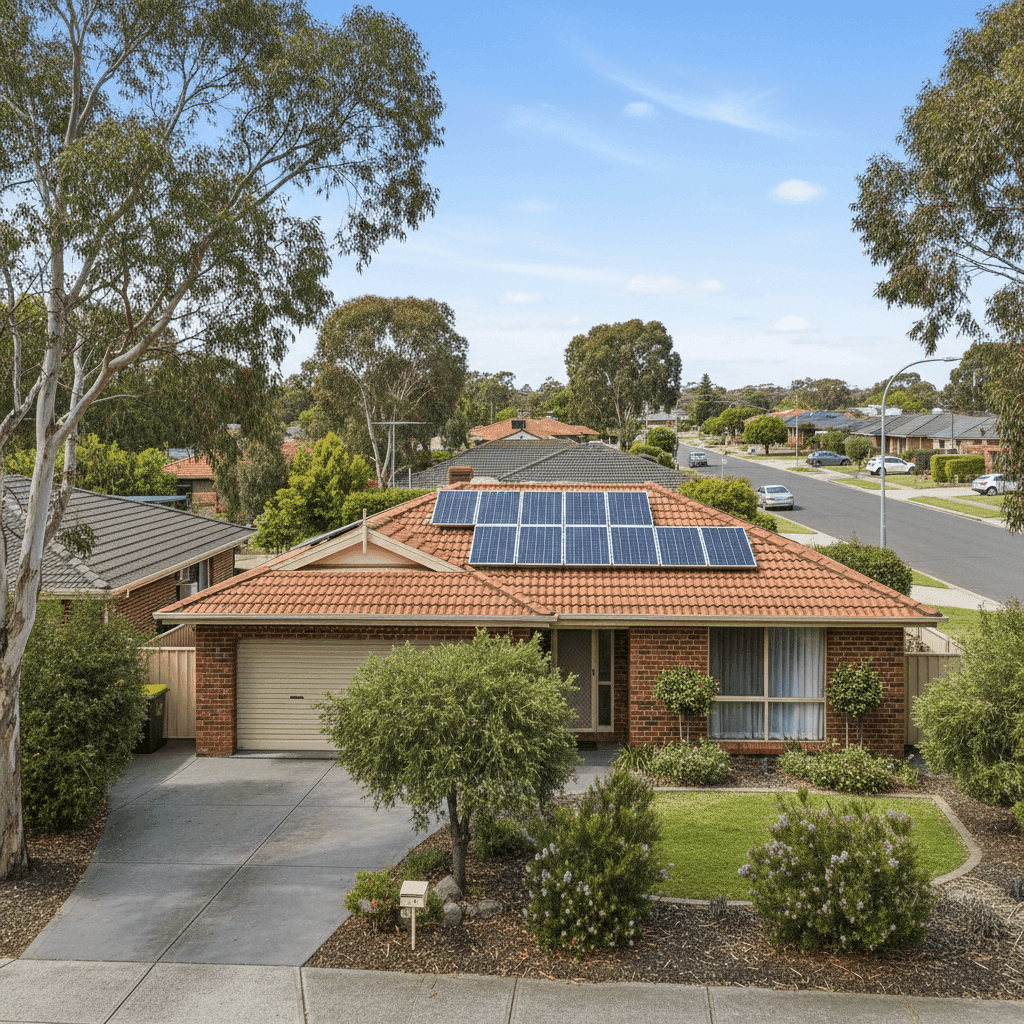
Strathmore Heights is a quiet, established suburb in Melbourne's north-west, sitting within the Moonee Valley local government area. Known for its leafy streets and predominantly post-war housing stock, it's the kind of suburb where brick veneer homes on stumped foundations are a common sight — and where savvy homeowners are increasingly asking: am I paying too much for home insurance?
This article breaks down a real home and contents insurance quote for a free standing home in Strathmore Heights (VIC 3041), compares it against local, state, and national benchmarks, and offers practical tips to help you get the best value on your cover.
---
Is This Quote Fair?
The annual premium for this quote comes in at $1,562 per year (or $150/month) for combined home and contents cover — with a building sum insured of $648,000 and $100,000 in contents cover. Both the building and contents excess are set at $1,000.
Our pricing engine rates this quote as CHEAP (Below Average) — meaning it sits well below what most Victorians and Australians are paying for equivalent cover. That's a strong result, and it's worth understanding why.
For a 3-bedroom, single-bathroom free standing home built in 1971, this premium reflects a combination of favourable property characteristics, a relatively low-risk suburb profile, and competitive insurer pricing. The $1,000 excess on both building and contents is fairly standard in the Australian market and helps keep the premium manageable without leaving the homeowner exposed to unreasonable out-of-pocket costs in the event of a claim.
In short: this is a competitive quote that homeowners in similar properties should use as a benchmark when shopping around.
---
How Strathmore Heights Compares
To put this quote in context, here's how the $1,562 annual premium stacks up against broader market data:
| Benchmark | Average Premium |
|---|---|
| This quote | $1,562/yr |
| Moonee Valley LGA average | $1,817/yr |
| VIC state average | $3,000/yr |
| VIC state median | $2,718/yr |
| National average | $5,347/yr |
| National median | $2,764/yr |
The quote comes in $255 below the Moonee Valley LGA average, which is already one of the more affordable areas in Victoria for home insurance. Compared to the Victorian state average of $3,000/yr, this homeowner is saving nearly $1,440 annually — a significant difference.
Against the national average of $5,347/yr, the savings are even more dramatic. Much of the national average is skewed upward by high-risk regions in Queensland and Western Australia — areas prone to cyclones, flooding, and bushfire. Strathmore Heights benefits from none of those elevated risk factors, which is reflected clearly in the pricing.
You can explore suburb-specific insurance data for Strathmore Heights at coverclub.com.au/stats/VIC/3041/strathmore-heights.
---
Property Features That Affect Your Premium
Every home is different, and insurers price risk based on a range of property-specific factors. Here's how the key features of this home influence the premium:
Brick Veneer Walls & Tiled Roof
Brick veneer construction with a tiled roof is generally viewed favourably by insurers. Brick veneer offers solid fire resistance and structural durability, while tiles are considered a lower-risk roofing material compared to metal or, particularly, older materials like fibrous cement. Together, these features contribute to a more competitive premium.
Stumped Foundation
Homes on stumps — common in Melbourne's inner and middle suburbs — can sometimes attract slightly higher premiums due to the potential for subfloor movement, pest ingress, or moisture-related damage. However, this risk is generally well understood by insurers in the Victorian market and priced accordingly.
Timber & Laminate Flooring
Timber and laminate flooring can be more susceptible to water damage than tiles, which may factor into contents and building assessments. Homeowners should ensure their policy clearly covers accidental water damage and escape of liquid events.
Solar Panels
This property has solar panels installed. It's important to confirm with your insurer whether rooftop solar panels are included under the building sum insured or require a separate endorsement. Most standard home insurance policies in Australia do cover permanently fixed solar systems as part of the building, but it's worth verifying — especially given the replacement cost of a modern solar system.
Ducted Climate Control
Ducted heating and cooling systems are a significant fixed asset. As with solar panels, these should be factored into your building sum insured to avoid being underinsured in the event of a total loss or major repair.
Construction Era (1971)
Homes built in the early 1970s are well past the point where building defects are a concern, but they may contain materials or configurations that affect repair costs — such as older wiring, plumbing, or non-standard room layouts. Ensuring your building sum insured accurately reflects current rebuild costs (not market value) is essential for a home of this age.
---
Tips for Homeowners in Strathmore Heights
1. Review Your Building Sum Insured Regularly
With construction costs rising across Victoria, the cost to rebuild your home may have increased significantly since your policy was last reviewed. A sum insured of $648,000 for a 214 sqm home works out to roughly $3,028/sqm — which is within a reasonable range for Melbourne, but worth validating with a quantity surveyor or online rebuild calculator every year or two.
2. Confirm Solar Panels Are Covered
If your solar system was installed after your original policy was taken out, check that it's explicitly included in your building cover. Contact your insurer to confirm the system's value is reflected in your sum insured, particularly if you've upgraded panels or added battery storage.
3. Don't Overlook Contents Underinsurance
$100,000 in contents cover is a common starting point, but it may not be sufficient if you've accumulated furniture, appliances, electronics, clothing, and valuables over many years. Do a room-by-room inventory periodically to ensure your contents sum is realistic — underinsurance is one of the most common issues Australians face at claim time.
4. Compare Quotes at Renewal
Even if you're happy with your current insurer, it pays to compare at renewal time. The Australian home insurance market is competitive, and premiums can vary significantly between providers for essentially the same level of cover. Use a comparison tool like CoverClub to see what else is available before automatically renewing.
---
Ready to Compare Home Insurance in Strathmore Heights?
Whether you're a first-time buyer or a long-term homeowner in Strathmore Heights, getting the right cover at the right price starts with comparing your options. At CoverClub, you can enter your address and instantly see how your current premium stacks up — and find out if there's a better deal waiting for you. Get a quote today at CoverClub and make sure your home is properly protected without overpaying.